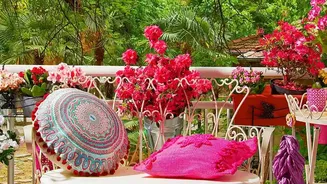






As cooler weather arrives, it doesn't mean your balcony or terrace has to lose its vibrant colour. Many flowering plants thrive in the milder temperatures of Indian winters, making it the perfect season for container gardening.
Pansy (Viola tricolor var. hortensis)
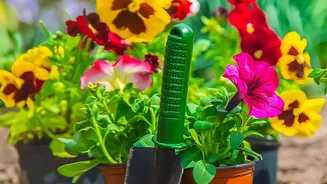
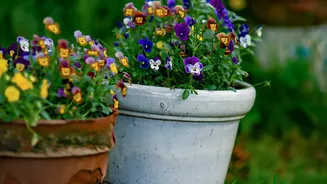
Pansies are a classic choice
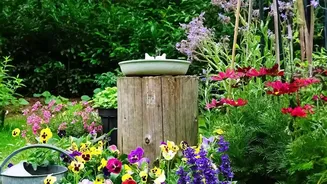
for cool-season colour, known for their charming, face-like petals. They come in a vast array of colours and patterns, from deep purples and blues to bright yellows and whites. Pansies are ideal for planters because they have a compact growth habit and a relatively small root system. They thrive in the cooler temperatures of fall, winter, and spring. For best results, plant them in a location that receives at least six hours of sun. Use a well-draining potting mix and ensure your container has drainage holes, as pansies dislike sitting in soggy soil. Water them regularly, but allow the soil to dry slightly between waterings.
Calendula (Calendula officinalis)
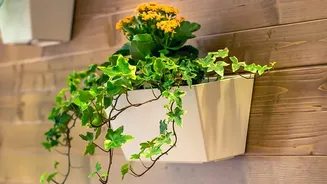
Often called 'pot marigold', Calendula is celebrated for its bright, cheerful blooms of golden yellow and orange. It's an easy-to-grow annual that flourishes during the cooler months in most parts of India, typically blooming from December through March. Calendula is well-suited for containers, though it requires a pot with good drainage. The plant prefers full sunlight but can tolerate some partial shade, especially in warmer regions. Use a loose, rich soil and keep it moist but not waterlogged. A major advantage of Calendula is its low maintenance needs; simply remove old flowers to encourage continuous blooming throughout the season.
Petunia (Petunia × atkinsiana)
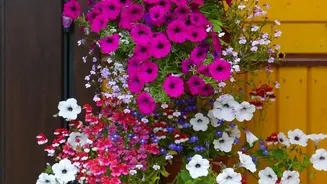
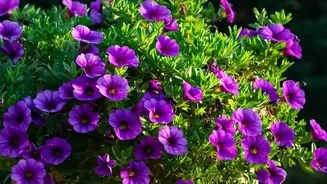
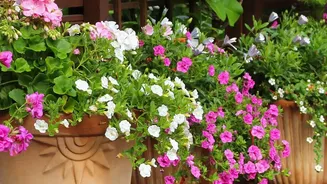
Petunias are one of the most popular winter flowering plants in India, loved for their prolific, trumpet-shaped flowers. They are available in nearly every colour imaginable and are perfect for adding a splash of vibrancy to pots, window boxes, and hanging baskets. In the Indian plains, the cooler months provide the ideal mild days and cool nights that petunias prefer. They require at least five to six hours of direct sun daily to produce abundant blooms. When planting in containers, use a well-draining soil mix and water when the top inch of soil feels dry. Regularly removing spent flowers will keep the plant tidy and encourage a steady supply of new blossoms.
Dianthus (Dianthus caryophyllus)
Commonly known as 'pinks', Dianthus offers beautiful, often fragrant flowers with fringed petals in shades of pink, red, white, and purple. Many varieties are cold-hardy and thrive in cooler weather, making them an excellent choice for winter planters. They are low-maintenance and perform best in locations with at least six hours of daily sunlight. Well-draining soil is crucial for Dianthus, as they do not tolerate soggy roots. They can be grown successfully in pots, window boxes, and mixed containers alongside other cool-season favourites like pansies and snapdragons. Cut back spent blooms to encourage more flowers.
Antirrhinum (Snapdragon)
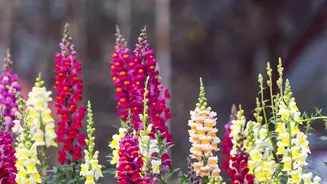
Snapdragons get their name from their unique flowers that resemble the snout of a dragon, which can be 'snapped' open by squeezing the sides. These plants produce tall, elegant spikes of colourful blooms and perform exceptionally well in containers during cool weather. They are considered cool-season flowers and often bloom through spring, fall, and mild winters, slowing down in intense summer heat. For the best results in pots, choose dwarf or intermediate varieties and place them in full sun. Use a quality potting mix with good drainage, and water regularly to keep the soil evenly moist but not waterlogged.
Aster (Asteraceae family)
Asters bring a touch of starry, daisy-like charm to the autumn and winter garden with their blooms in shades of purple, pink, blue, and white. These hardy perennials can be grown in containers, which allows them to be moved to a protected spot during harsh weather. Asters flower best in full sun and prefer well-drained soil to prevent root issues, especially during wet winters. When grown in pots, they need regular watering as containers can dry out quickly, but care should be taken to avoid waterlogging. After flowering, you can cut the plants back.
Nemesia (Nemesia strumosa)
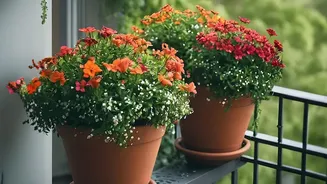
Nemesia is a delightful annual that produces a profusion of small, delicate, and often fragrant flowers. The blooms come in a wide spectrum of colours, including yellows, oranges, pinks, purples, and whites. It is a cool-weather plant, making it ideal for sowing in India between October and February. Nemesia is perfect for containers, hanging baskets, and window boxes where its charming flowers can be appreciated up close. It prefers a spot with full sun but benefits from partial afternoon shade in hotter regions. Use a well-draining potting mix and keep the soil consistently moist but not soggy to prevent root rot. Pinching back the stems can encourage a bushier plant with more flowers.