


The Unshakeable Icon: Filter Kaapi
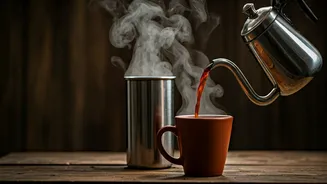
In South India, filter coffee is not just a beverage; it's a cultural cornerstone and a daily ritual. [11, 12] Often called 'degree coffee' or simply 'kaapi', its history in the region dates back to the 17th century. [11, 14, 15] The process itself is a ceremony:
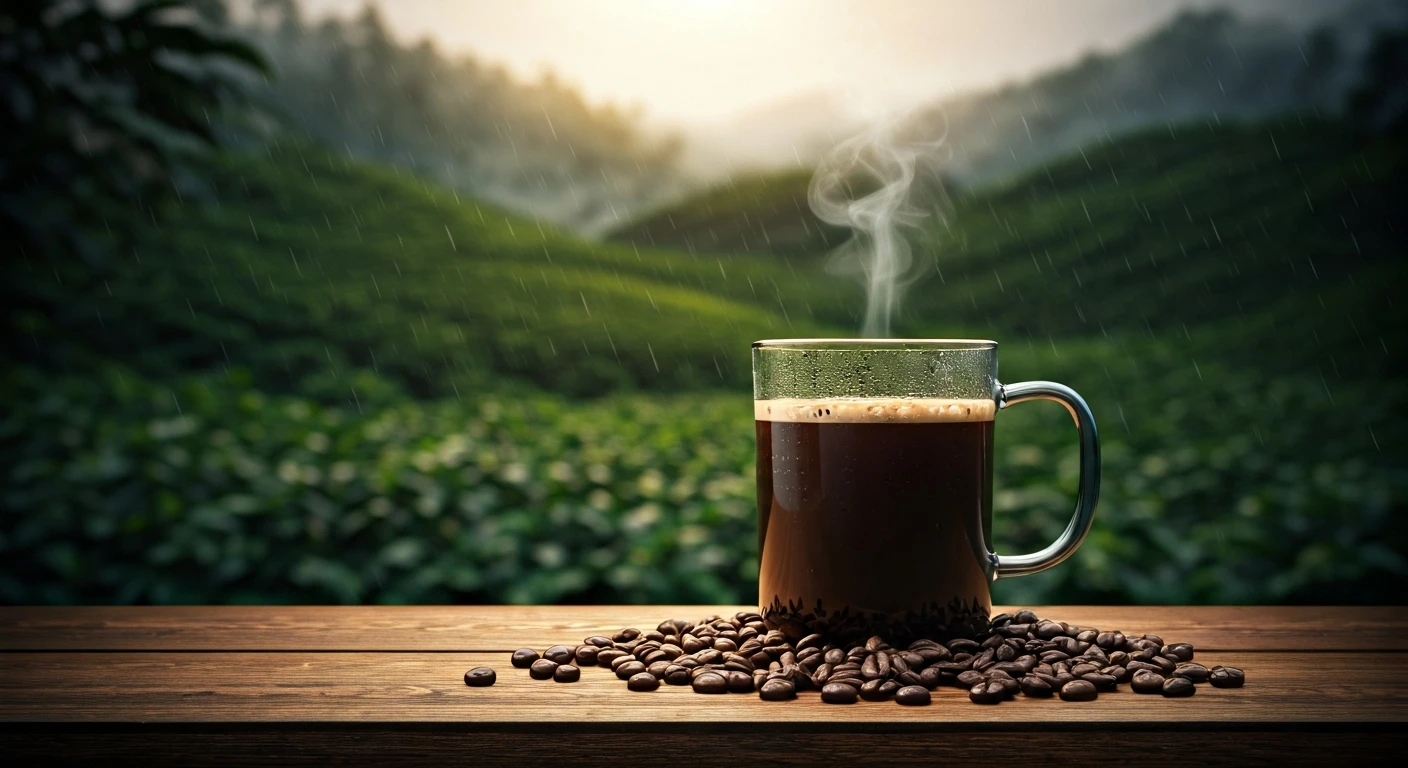
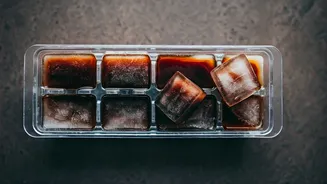
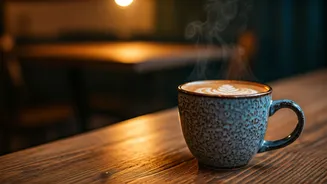
a special blend of dark-roasted coffee beans, often mixed with chicory, is placed into a traditional metal drip filter. [7, 13] Hot water is poured over, and a strong, aromatic concentrate, known as the decoction, slowly drips into the collection chamber. [3, 6] This decoction is then mixed with hot, frothy milk and sugar, and traditionally served in a 'davara-tumbler' set. [7, 9] The flavour is bold, the aroma is unmistakable, and its role in hospitality is paramount—a symbol of home, comfort, and community. [12, 14]
The Fluffy Contender: Dalgona and Whipped Coffee
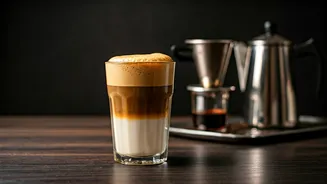
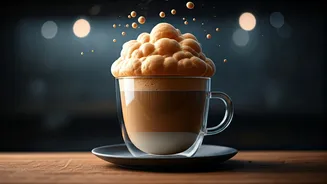
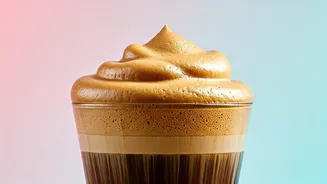
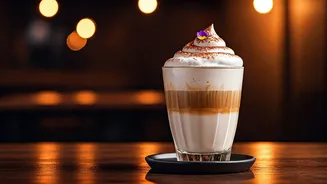
Enter the rival: a photogenic, cloud-like concoction that took the internet by storm. Dalgona coffee, which became a viral sensation during the pandemic, is characterized by its distinct layers—a creamy, whipped coffee foam sits atop chilled milk. [25, 26] The name is borrowed from a Korean honeycomb toffee candy it resembles. [4, 8] Its preparation is the polar opposite of filter coffee's slow percolation. It involves vigorously whipping equal parts instant coffee, sugar, and hot water until the mixture becomes thick and holds stiff peaks. [2, 10] This fluffy creation is then spooned onto milk. [5, 8] While the viral trend originated in South Korea, it bears a striking resemblance to 'phenti hui coffee' (beaten coffee) which has been a staple in Indian households for years. [22, 25]
A Tale of Two Preparations
The contrast between these two coffees begins with their core ingredients and methods. Filter coffee relies on freshly ground coffee beans and chicory, using a specific percolation filter that requires patience as the decoction brews over 20-30 minutes. [3, 7] It is an act of slow extraction. Dalgona, on the other hand, cannot be made with ground beans; it specifically requires instant coffee. [25, 26] The unique processing of instant coffee granules allows them to dissolve and whip into a stable, airy foam when beaten with sugar and water—a process that takes only a few minutes with an electric mixer. [2, 4, 8] One is a testament to tradition and patience, the other to modern speed and visual flair.
The Clash of Flavours and Textures
When it comes to taste, the two are worlds apart. South Indian filter coffee is strong, aromatic, and has a distinct bitterness from the dark roast and chicory, which is beautifully balanced by the hot milk and sugar. [7, 16] It's a smooth, homogenous drink designed for comfort. Dalgona coffee is an experience in texture and sweetness. [22, 23] The whipped topping is intensely sweet and concentrated, while the milk below is cool and mild. [22] The drinker actively mixes the two to their preference, creating a beverage that evolves with every sip. Its flavour profile is often compared to coffee ice cream or a frappuccino, highlighting its role as more of a treat than a daily staple. [26]
Can a Trend Dethrone a Tradition?
While Dalgona coffee and other visually-driven cafe trends have certainly made a splash, they haven't diminished the cultural reverence for filter coffee. [20] The Indian coffee market is booming, with a growing appreciation for everything from artisanal single-origin roasts to convenient ready-to-drink options. [17, 18, 21] Dalgona coffee's popularity highlights a desire for new experiences and the power of social media in shaping food trends. However, it occupies a different space—it is the flamboyant, occasional indulgence, while filter coffee remains the dependable, daily ritual. The 'fluffy rival' is not replacing filter coffee; rather, it is expanding the very definition of what a coffee break can look like in modern India. [20]