




What Exactly Is Physical AI?
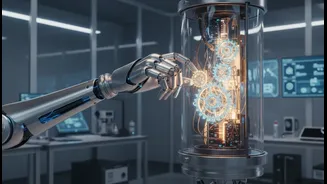
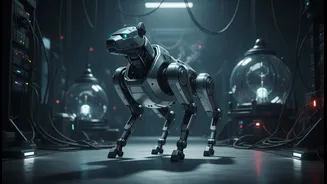
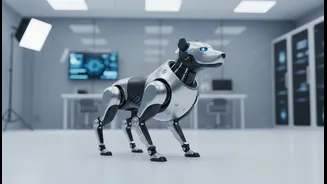
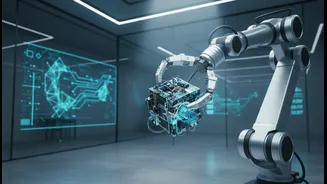
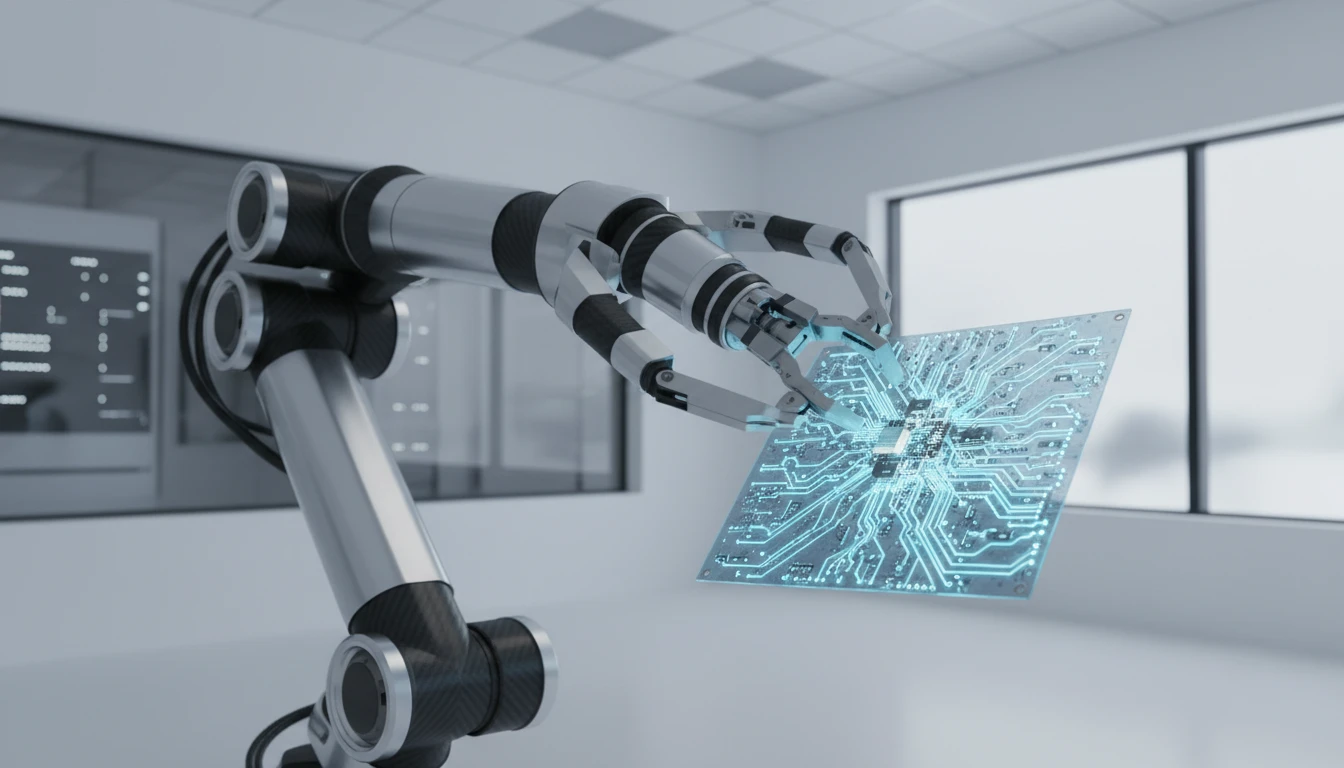
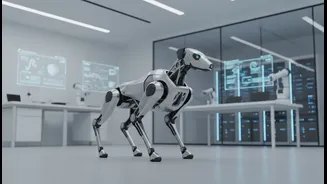
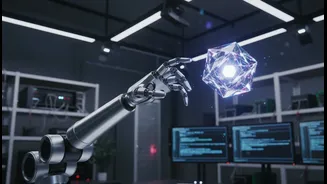
Physical AI refers to intelligent systems that can perceive, reason, and act within a physical environment. Unlike generative AI like ChatGPT which operates in the digital realm, physical AI connects intelligence to sensors and actuators, allowing machines
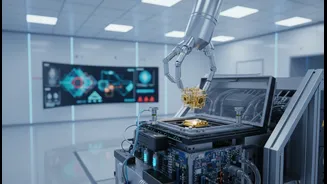
to interact with the world of atoms, not just bits. Think of autonomous vehicles navigating city streets, warehouse robots sorting packages, or smart surgical tools assisting in operating rooms. Before AI, robots were mostly programmed for repetitive tasks in controlled settings, like a robotic arm on an assembly line. Physical AI gives them the ability to adapt to changing conditions, identify objects, and navigate unpredictable spaces independently. This leap is powered by advancements in sensors like cameras and lidar, more powerful processing, and new AI models that can understand the physics of the world around them.
From Digital Error to Physical Danger
The transition from digital to physical AI fundamentally changes the nature of risk. When a language model makes a mistake, it can produce a flawed answer or a strange image. But when a physical AI system errs, the consequences can be immediate and tangible. An autonomous car could misjudge braking distance, a factory robot could mishandle equipment, or a delivery drone might fail to navigate an unexpected obstacle. The problem is that the real world is infinitely more complex and unpredictable than any dataset. While AI models are trained on vast amounts of data, often in simulations, there's a well-known 'sim-to-real gap' where success in a virtual environment doesn't guarantee flawless performance in reality. This makes comprehensive testing and validation incredibly difficult, as it's impossible to prepare for every potential edge case the world might present.
The New Rules of Safety and Reliability
Ensuring the safety of physical AI isn't just about writing better code; it's a system-level challenge. Safety cannot be an afterthought; it must be designed in from the very beginning. This involves a multi-layered approach. First, the AI needs to have a robust understanding of its environment through advanced sensors. Second, systems require independent safety monitors that can act as a check on the AI's behavior, ensuring it stays within safe operational bounds. This might include physical components like emergency-stop buttons or digital fail-safes that halt operations if an anomaly is detected. The integrity of the training data itself is also a critical vulnerability; biased or manipulated data can teach the AI the wrong lessons from the start. Ultimately, reliability depends on the entire chain of perception, decision, and action being trustworthy.
Who Holds the Controls?
Beyond technical safety, physical AI raises profound questions about control and governance. As these systems become more autonomous, how do we ensure they remain aligned with human intent? The field of 'AI control' focuses on this very issue, aiming to ensure that even if an AI agent attempts to misbehave, its ability to cause harm is contained. This is different from 'AI alignment,' which tries to prevent the bad behavior from happening in the first place. Effective control involves clear lines of human oversight, where a person can intervene when necessary. However, this becomes more challenging as systems operate at high speeds. This has led to calls for new regulatory frameworks and industry standards that can certify the safety and reliability of autonomous systems before they are widely deployed. The goal is to create systems that are not just capable, but also transparent and auditable.