



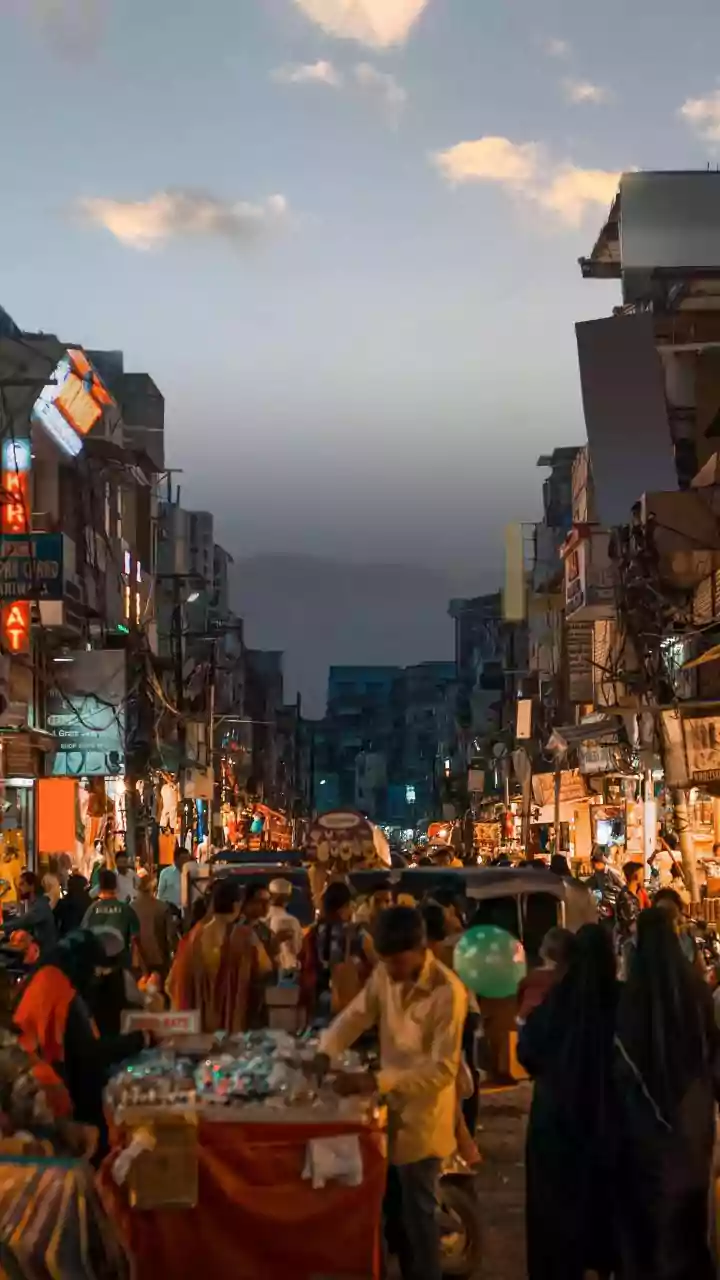




The New Capitals of Consumption
The traditional power centres of beauty consumption like Mumbai and Delhi are no longer the only game in town. A significant portion of growth is now coming from Tier 2 and Tier 3 cities such as Jaipur, Lucknow, Surat, Guwahati, and Coimbatore. Major
e-commerce platforms report that over half of their demand for beauty products, including for premium and luxury brands, now originates from non-metro markets. This isn't just a spillover effect; it's a fundamental shift. These cities are not just catching up; they are becoming primary engines of demand, powered by a growing middle class, higher disposable incomes, and a strong aspiration for better lifestyle and personal care products.
What's Fuelling the Boom?
This regional surge is driven by a powerful trifecta of factors. First is the deep penetration of smartphones and affordable data, which has democratized access to information and trends. Second, the rise of social media and a vibrant ecosystem of regional influencers means a consumer in Patiala or Thrissur is just as aware of global trends like K-beauty or ingredients like hyaluronic acid as someone in Bengaluru. They are no longer passive recipients of trends but are actively researching solutions for specific concerns like pigmentation or hair fall. Finally, rising incomes and increased awareness around personal wellness have turned beauty from a discretionary spend into a daily essential for many.
Digital-First Brands Lead the Charge
The old model of waiting for a brand to open a physical store is obsolete. The digital revolution, led by e-commerce giants like Nykaa and Amazon, has completely redrawn the map. These platforms made thousands of domestic and international products available to virtually every pin code, breaking down geographical barriers. This paved the way for a wave of Direct-to-Consumer (D2C) brands such as Mamaearth and Sugar Cosmetics, which built their businesses online, connecting directly with customers in smaller cities and offering personalized products that legacy players often overlooked. This digital-first approach allowed them to scale rapidly by meeting the exact needs of this emerging consumer base.
The Omnichannel Pivot: Back to Bricks
While digital channels were crucial for discovery and access, brands are now realizing that a purely online strategy isn't enough to build lasting loyalty. Consumers, especially in high-consideration categories like cosmetics, still value the ability to see, touch, and test products. This has led to an 'omnichannel' pivot, where successful D2C brands are expanding their offline presence by opening physical stores, pop-ups, and kiosks in Tier 2 and Tier 3 cities. This hybrid model bridges the trust deficit, combines the convenience of online discovery with the assurance of offline validation, and deepens the brand's connection with the local community.
A New Kind of Consumer
The consumer in non-metro India is not just a follower; they are sophisticated and discerning. They are driving a trend of 'premiumization within a budget', seeking products with effective, science-backed formulations and transparent ingredient lists without a hefty price tag. Their purchasing decisions are influenced less by legacy brand names and more by authentic reviews, influencer recommendations, and product efficacy. Brands that succeed are those that listen, moving beyond a one-size-fits-all approach to cater to regional preferences, skin tones, and even climate-specific needs. This is forcing the industry to become more inclusive and responsive.