





A Renewed Appetite for Wellness
One of the biggest drivers of this culinary homecoming is health. As awareness grows around the pitfalls of ultra-processed foods, many are turning away from convenience and looking toward traditional wisdom. Home cooking offers control over ingredients,
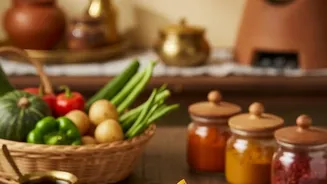
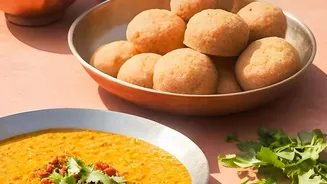
and people are rediscovering that age-old Indian dietary practices were inherently healthy long before 'wellness' became a buzzword. Concepts like eating seasonally, using local produce, and the benefits of fermentation have always been part of regional diets. Dishes are being appreciated for their nutritional balance, often featuring a variety of grains, lentils, and fresh vegetables that support immunity and overall well-being. This shift isn't about chasing a new fad; it's about returning to a food philosophy that is nourishing, sustainable, and deeply familiar.
The Powerful Pull of Nostalgia
In our fast-paced, globalised world, there's a growing craving for things that feel real and grounded. Food is one of the most powerful anchors to our past. The act of recreating a grandmother's signature dish or a festive meal from childhood is more than just cooking; it’s an emotional experience that connects us to our family history and cultural identity. For many, especially young professionals living away from home, these recipes offer a taste of comfort and a way to combat the burnout of modern life. The slow, intentional process of grinding spices, kneading dough, or tempering dal can be therapeutic, a way to slow down and be present. This nostalgic connection makes every meal feel more meaningful, turning food into a vessel for memory and cultural continuity.
Social Media's Modern Twist
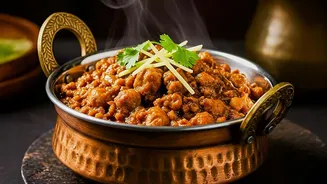
Ironically, the most modern of tools is helping to preserve the oldest of traditions. Social media platforms like Instagram and YouTube have become virtual archives for India's diverse culinary heritage. Food bloggers and home chefs are documenting and sharing hyper-regional recipes that might have otherwise been lost. They are not just posting instructions; they are telling the stories behind the dishes, making them accessible and appealing to a new generation. Seeing a beautifully plated Bengali ‘kosha mangsho’ or a step-by-step video for a Himachali ‘bedu roti’ inspires others to try them. This digital movement has democratised food knowledge, allowing recipes to cross state lines and find new life in kitchens across the country, proving that technology can be a powerful force for cultural preservation.
The Quest for Authenticity
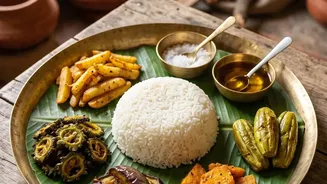
For years, 'Indian food' in the mainstream was often reduced to a few popular North Indian dishes. Today, there is a strong pushback against this monolithic view. A new wave of culinary pride is driving both chefs and home cooks to explore the vast and varied tapestry of the country's cuisines. People are no longer content with generic curries; they want to taste the specificity of a Goan vindaloo, a Naga smoked pork, or a Kerala avial. This quest for authenticity is fuelled by increased domestic travel and a desire to connect with different parts of the country on a deeper level. It reflects a broader cultural shift where identity is celebrated through specificity, and the unique flavours of each region are seen as a vital part of India's collective story.