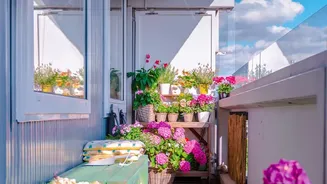







Embrace the Rainy Season's Gifts
Many gardeners pause during the rains, but the monsoon is actually one of the most productive seasons for gardening in India. The consistent moisture, high humidity, and warm temperatures create an ideal environment for rapid plant growth. The natural
watering saves you time and effort, while the humid air helps many plants, especially tropical varieties, to flourish. This season is perfect for beginners, as the conditions are forgiving and encourage vibrant, lush foliage that can quickly turn a sterile balcony into a thriving ecosystem.
Choosing Your Monsoon Champions
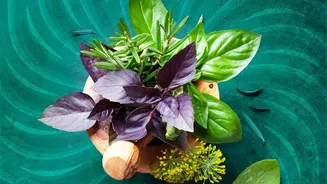
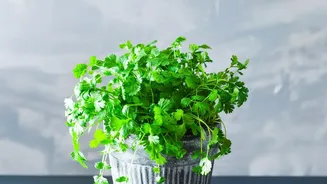
Success starts with selecting plants that thrive in rainy conditions. The gourd family, including lauki (bottle gourd), karela (bitter gourd), and turai (ridge gourd), are excellent choices for pots, provided you give them a trellis to climb. Leafy greens like spinach (palak), amaranth (chaulai), and fenugreek (methi) grow quickly in the moderate temperatures and can be harvested multiple times. For a splash of colour and fragrance, consider monsoon classics like balsam (gul mehndi), jasmine (mogra), and rain lily. Herbs such as mint and lemongrass also do exceptionally well. If you're growing vegetables like tomatoes, opt for disease-resistant varieties to be safe.
The Right Setup for Heavy Rains
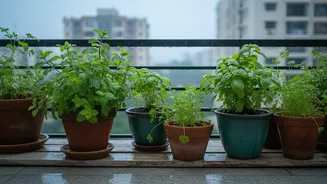
The single biggest challenge during the monsoon is waterlogging, which can lead to root rot. Proper drainage is non-negotiable. Ensure every pot has drainage holes. A porous and well-aerated soil mix is crucial; a combination of garden soil, compost, and coco peat works well to prevent compaction. It's also wise to elevate your pots on stands or bricks to prevent them from sitting in pools of water on the balcony floor. For delicate seedlings, temporary protection from heavy downpours can prevent damage. On days with heavy rain, skip manual watering entirely.
Managing Pests and Diseases
High humidity is not just great for plants; it's also a breeding ground for pests and fungal diseases. Common monsoon problems include powdery mildew, leaf spot, and pests like aphids, mealybugs, and snails. Prevention is the best strategy. Ensure good air circulation by not overcrowding your plants. Regular pruning of overgrown or yellowing leaves can help. A preventive spray of diluted neem oil every 10-15 days can keep most issues at bay. Always remove and dispose of any infected leaves immediately to stop diseases from spreading.
A Sanctuary for Your Well-being
A monsoon balcony garden is more than just a hobby; it’s a powerful tool for well-being. The simple act of tending to plants—digging, planting, and harvesting—is a form of light physical activity that reduces stress and anxiety. Watching life sprout and grow provides a deep sense of purpose and accomplishment. It fosters a connection to the natural world that is often missing in dense urban environments. Having fresh, organic herbs and vegetables right outside your door also encourages healthier eating and provides an unmatched sense of satisfaction.