






Why Your Body Changes With The Rains
The arrival of the monsoon isn't just a change in weather; it's a significant shift for our bodies. According to Ayurveda, the ancient Indian system of medicine, the 'pitta' dosha, associated with heat and metabolism, gets aggravated during this season,
while the 'vata' dosha (air and space) also increases. This combination is believed to weaken our 'agni' or digestive fire. In simpler terms, the high humidity and reduced sunlight can make our digestive system sluggish and our immunity lower. This makes us more susceptible to water-borne diseases and infections that thrive in the damp environment. You might notice feeling more bloated, lethargic, or prone to colds during this time. This isn't just folklore; it’s an observation of how our internal systems react to our external environment, a principle that forms the bedrock of seasonal eating.
The Logic of Lighter Eating
Given the body's weakened digestive state, traditional monsoon diets logically pivot towards foods that are easy to process. Heavy, oily, and rich foods, which require a strong digestive fire, are discouraged. This is why, despite the overwhelming craving for fried snacks like samosas and pakoras on a rainy day, moderation is key. Consuming hard-to-digest foods can lead to indigestion, acidity, and bloating. The focus shifts to meals that are warm, light, and nourishing. Think of it as giving your digestive system a much-needed break, allowing it to function efficiently without being overburdened. This period is also when leafy green vegetables are traditionally avoided, not because they are inherently unhealthy, but because the excess moisture makes them prone to housing worms and microbes.
Foods to Embrace This Season
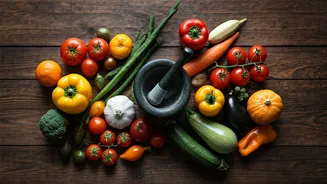
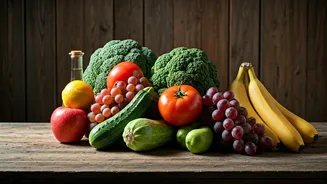
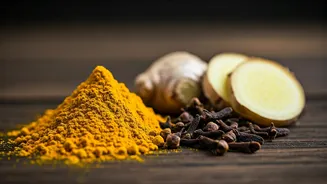
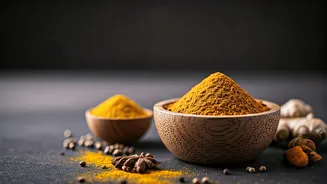
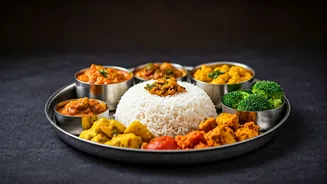
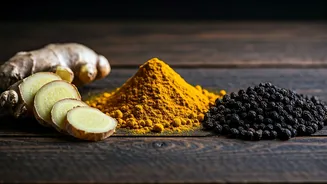
So, what should be on your plate? The monsoon diet is all about smart, seasonal choices. Warm, cooked meals are paramount. Soups, especially those made from moong dal or vegetables like bottle gourd (lauki) and pumpkin (kaddu), are excellent. They are hydrating, easy to digest, and packed with nutrients. Steamed or lightly stir-fried vegetables are preferable to raw salads. Incorporate gourds, sweet potatoes, and yams. For grains, opt for older, lighter varieties like barley, old rice, and wheat. The real heroes of the monsoon kitchen are the spices. Ginger, garlic, turmeric, black pepper, and asafoetida (hing) are known for their anti-inflammatory, antibacterial, and digestion-boosting properties. A cup of herbal tea infused with these spices can be both comforting and therapeutic. Small, frequent meals are better than three large ones to keep your metabolism active without overloading it.
The Role of Ritual Fasting
Fasting takes on special significance during the monsoon, particularly during the holy month of Shravan (or Sawan). For many, this is a spiritual practice, a time of devotion and discipline. However, it also serves a profound physiological purpose. By restricting certain food groups—like non-vegetarian items, onions, and garlic for some—and encouraging the consumption of light, 'satvik' foods, the fasting period acts as a natural detoxification for the body. It aligns perfectly with the Ayurvedic principle of giving the digestive system a rest when it is at its most vulnerable. The diet during Shravan fasts, often comprising fruits, milk products, and specific flours like buckwheat (kuttu) or water chestnut (singhara), is inherently cooling and easy on the gut. It’s a beautifully designed system where faith and physiology work in harmony.