




Decoding the ₹18,000 Dream
The idea of a month-long workation in Rishikesh for under ₹18,000 might sound too good to be true, but it's entirely achievable with the right expectations. This budget primarily covers your accommodation, which in this price range, usually means a bed
in a shared dormitory at a co-living hostel. These are not your typical backpacker spots; they are designed for digital nomads and come equipped with the essentials. Private rooms are available but will push your budget higher, often starting around ₹22,000 to ₹25,000 per month. The sub-₹18,000 price for a dorm bed often includes high-speed Wi-Fi, access to a co-working space, and sometimes community events, but food costs are typically separate. This allows for flexibility but requires you to budget for meals, whether at the hostel's cafe or local eateries.
Co-living Hostels: The Easiest Route
The rise of co-living and co-working hostels has made Rishikesh a hotspot for remote workers. Brands like Zostel, goSTOPS, Skyard, and Bunk Stay have tailored their offerings for digital nomads, providing the crucial trio of amenities: reliable high-speed Wi-Fi, power backup, and dedicated workspaces. For example, Bunk Stay offers a 28-night package in a shared dorm for around ₹17,640, which includes access to their co-working space. Similarly, Skyard Hostels promotes weekly packages that can bring a month's stay in a dorm to well under the ₹18,000 mark. These hostels are more than just a place to sleep; they offer a ready-made community of like-minded professionals, with regular events like yoga sessions, jam nights, and local hikes.
Location Matters: Tapovan vs. Laxman Jhula
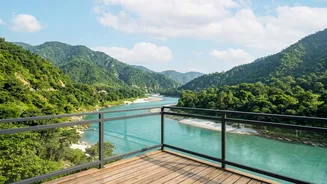
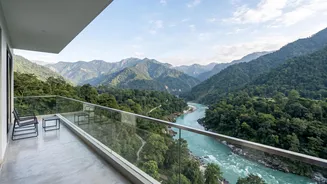
Where you stay in Rishikesh can significantly impact your experience and budget. Tapovan is widely considered the main hub for digital nomads. It has the highest concentration of modern hostels, wellness cafes, and yoga studios, making it incredibly convenient. However, its popularity can also mean it's busier and slightly more expensive. The Laxman Jhula area offers a more relaxed vibe with stunning river views and is also home to excellent hostels like Live Free and Madpackers. For those seeking even quieter surroundings, Upper Tapovan offers a peaceful retreat while still being accessible. Exploring guesthouses a little away from the main hustle can often lead to better monthly rates.
The Guesthouse and Homestay Strategy
While hostels are a straightforward option, don't overlook local guesthouses and homestays for long-term stays. These can offer more privacy and a quieter environment. Finding them often requires a more hands-on approach, such as walking around popular areas and inquiring directly about monthly rates. Websites like Booking.com, Agoda, and Airbnb also list numerous homestays where you can contact the host to negotiate a long-stay discount. This strategy works best during the shoulder or off-seasons (like the monsoon months) when hosts are more willing to offer lower prices for guaranteed occupancy. You might find a simple, no-frills private room that fits your budget, giving you a more local experience.
The Non-Negotiable Amenity Checklist
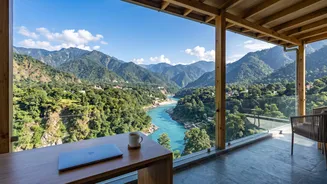
Before you book your stay, ensure your chosen hub meets the practical demands of remote work. First and foremost is internet connectivity. Don't just accept "Wi-Fi available"; ask about the speed and if they have a fiber optic connection. Many top workation hostels now offer speeds of 100 Mbps or more. The second critical factor is power backup. Power cuts can be common, so a reliable generator or inverter is essential to avoid interruptions to your workday. Lastly, look for a comfortable and dedicated workspace. While working from a cafe is an option, having a quiet, ergonomic space included in your stay is a major advantage that saves you money and boosts productivity.