


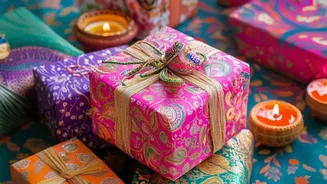


Come festival season, the great Indian gifting dilemma begins. While decorative hampers look appealing, many of us instinctively reach for something more practical. This isn't just a coincidence; it's a deep-seated preference.
The Philosophy of 'Paisa Vasool'
At the heart of Indian consumer
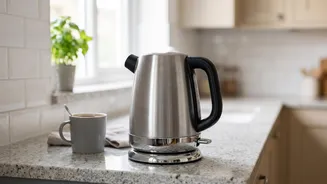
behaviour is the concept of ‘paisa vasool’, which translates to getting 'money's worth'. This isn't about being cheap; it's about smart value. A gift that serves a purpose—be it a kitchen appliance, a durable piece of furniture, or even a tech gadget—is seen as a better investment. Its value isn't just in the price tag but in its longevity and function. A decorative item might offer a moment of delight, but a useful gift keeps on giving, integrating into the recipient's daily life. This philosophy has roots in a history of scarcity, where endurance and resilience in objects were prized over novelty. Items were chosen to survive time, not just to follow a trend, a mindset that continues to influence purchasing decisions today.
Gifts as a Social Language
In India, gift-giving is a sophisticated language used to build and reinforce relationships. It’s an expression of love, respect, and care. Choosing a practical gift shows a deeper level of thoughtfulness. It says, 'I have paid attention to your needs and want to make your life easier or better'. This act of consideration strengthens social bonds far more effectively than a generic, ornamental gift might. A useful item, from cookware to a smart home device, becomes a part of the recipient's daily routine, serving as a constant reminder of the giver's affection. This aligns with the cultural emphasis on collectivism and family well-being, where purchasing decisions often prioritise group utility.
The Fear of a Gift Gathering Dust
There's an unspoken fear associated with receiving a purely decorative gift: that it will end up as clutter. Indian homes have historically valued adaptability and multi-purpose objects, a legacy of resourcefulness. A beautiful but functionless showpiece can feel like a burden, something to be dusted and maintained without providing any real utility. In contrast, a practical gift seamlessly integrates into the home. It doesn't just occupy space; it serves a purpose. This preference for functionality is also seen in traditional home design, where elements like courtyards and latticed screens ('jaali') masterfully blend beauty with utility, providing ventilation and privacy.
The Evolving Definition of 'Useful'
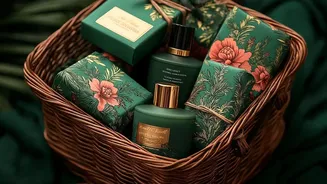
The preference for utility doesn't mean Indian consumers lack appreciation for aesthetics. Rather, the definition of 'useful' is expanding. Today, a useful gift isn't just a physical object. It can be an experience that creates lasting memories, like a travel voucher or a culinary class. It can be a subscription to an OTT platform or a wellness hamper that promotes selfcare. Personalisation has also become a key factor, with customised gifts seen as more meaningful because they combine thoughtfulness with a unique touch. Even within traditional categories, there is a shift towards premium, wellcrafted items that combine Indian heritage with contemporary design, offering both beauty and function. This modern interpretation still honours the core principle: a good gift should add lasting value to the recipient's life.