







More Than Just Weather
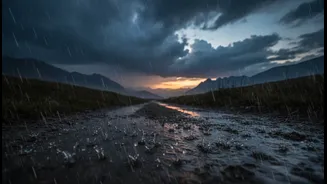
In India, the monsoon is not merely a meteorological event; it's an emotion. After months of relentless, draining heat that parches the land and saps energy, the first showers bring a collective sigh of relief. The smell of petrichor, the scent of rain hitting
dry earth, is a fragrance of renewal. Known as 'mitti di khushboo' in Hindi and Punjabi, it’s a scent that poets have romanticised for centuries. This shift from oppressive heat to cool, life-giving rain fundamentally alters the country's mood. The landscape transforms from dusty brown to a lush, impossible green, and with it, the human spirit is revitalised. This annual rebirth is the foundation upon which a rich tapestry of cultural practices is built, turning the rainy season into a period of joy, reflection, and community.
A Calendar of Celebration
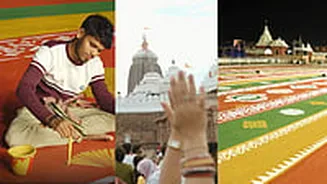
The monsoon's arrival recalibrates the festival calendar across India. One of the most vibrant early-monsoon festivals is Teej, celebrated with fervour in Rajasthan, Uttar Pradesh, and Bihar. Primarily a festival for women, it celebrates marital bliss and the reunion of Lord Shiva and Goddess Parvati. Women don green attire, symbolising the verdant new life around them, gather to sing traditional songs, and swing on elaborately decorated swings hung from trees. In Odisha, the grand Rath Yatra of Puri often coincides with the onset of the monsoon. The colossal chariots of Lord Jagannath, his brother Balabhadra, and sister Subhadra are pulled by thousands of devotees through the streets in a spectacle of faith that draws pilgrims from across the globe. These festivals are not just religious observations; they are deep-rooted cultural expressions of gratitude for the rain's bounty and the renewal it promises.
The Taste of Rain
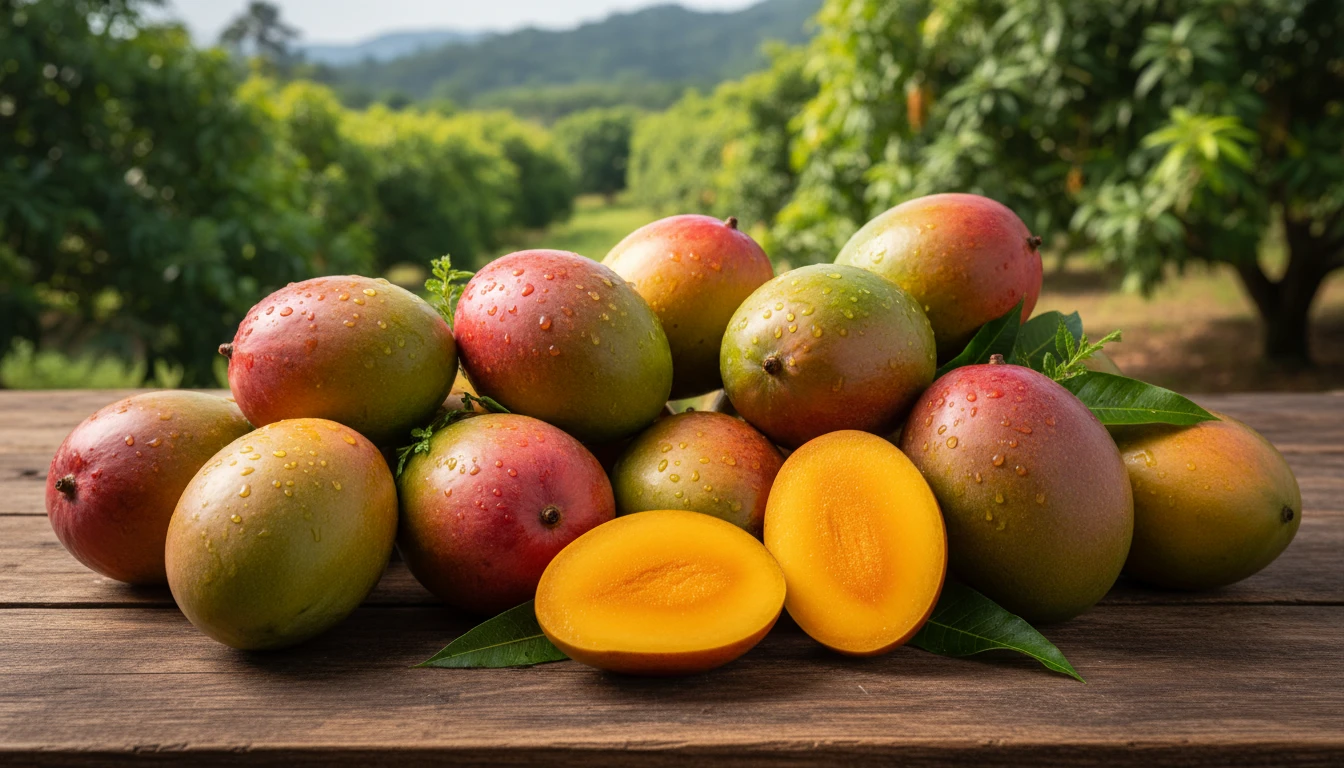
The monsoon also brings its own distinct culinary traditions. A drop in temperature sparks a universal craving for hot, comforting foods. Across the country, the combination of 'chai' (spiced tea) and 'pakoras' (vegetables dipped in chickpea flour batter and deep-fried) becomes an almost sacred ritual. Roadside stalls and home kitchens alike do brisk business, serving up these crispy, savoury snacks as people watch the downpour. But it goes beyond just snacks. Many communities prepare special dishes during this season. From 'khichdi', a comforting mix of rice and lentils, to seasonal vegetables like corn ('bhutta'), which is often roasted over open coals and seasoned with salt, chilli, and lime, the monsoon diet is all about warmth, nourishment, and simple pleasures shared with family and friends.
A Muse for Art and Romance
The dramatic atmosphere of the monsoon has long been a powerful muse for artists, musicians, and writers. In Indian classical music, specific ragas are dedicated to the season, most famously 'Raag Malhar' and its variants, which are believed to have the power to induce rain when sung perfectly. In literature, the 4th-century poet Kalidasa’s epic, 'Meghaduta' ('The Cloud Messenger'), tells the story of an exiled nature spirit who asks a passing cloud to carry a message to his beloved. And, of course, there is Bollywood. The 'rain song' is a cinematic staple—a dramatic, often romantic, sequence where heroes and heroines dance in the rain, a trope that has defined on-screen passion for generations. The monsoon provides a perfect backdrop for stories of longing, reunion, and intense emotion, cementing its place as a central character in India's artistic imagination.