



As cooler weather arrives across India, our gardens and balconies get a second life. This is the perfect season to introduce vibrant, colourful blooms that thrive in the mild winter sun. Here is your guide to the best winter flowers to grow.
1. Pansy: The Cheerful Face of Winter
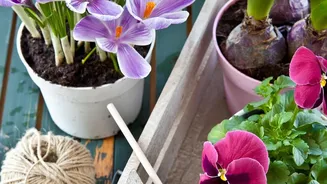
With their
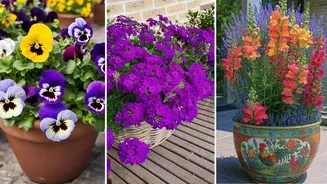
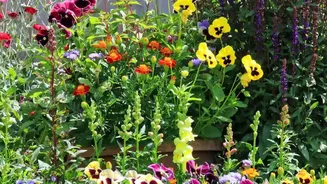
unique, face-like markings, pansies are a true winter delight, perfect for pots and window boxes. They flourish in cool weather, offering a spectrum of colours from deep purples and blues to bright yellows and whites. For best results in most Indian plains, plant them between late September and November as the nightly temperatures drop. They need rich, moist, and well-draining soil and at least six hours of sunlight to produce the most flowers. Water when the top inch of soil feels dry, but avoid making the soil soggy, as this can lead to root rot. Regularly removing faded flowers, a process known as deadheading, will encourage the plant to produce a continuous flush of new blooms for weeks.
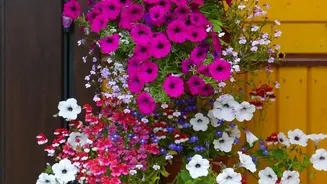
2. Petunia: Cascading Colour for Baskets
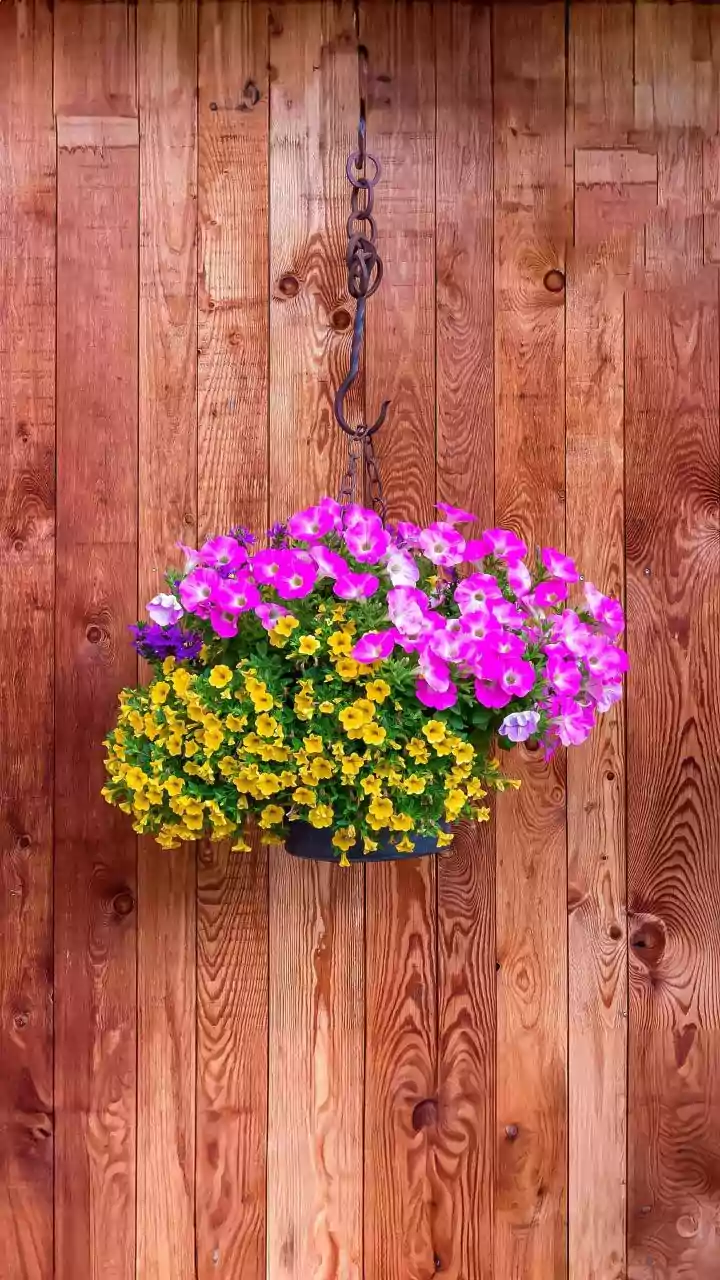
Petunias are stars of the winter garden, especially for hanging baskets and containers, where their trailing varieties can create stunning cascades of colour. Available in nearly every shade imaginable, including pinks, purples, reds, and whites, they bloom generously through the cooler months. Plant them in a spot that receives good morning sunlight, using a light, well-draining potting mix enhanced with compost. They need regular watering, but it's crucial to let the top layer of soil dry out between sessions to prevent waterlogging. A mild liquid fertiliser every couple of weeks and consistent removal of wilted flowers will keep your petunias looking full and vibrant all season long.
3. Marigold (Genda): The Hardy Favourite
No Indian winter garden feels complete without the warm, sunny glow of marigolds. These incredibly hardy and low-maintenance flowers are perfect for beginners and thrive in pots and garden beds alike. Their golden, orange, and yellow blooms bring instant cheer. The best season for marigolds is winter, from October to March, when the cooler temperatures result in bigger and brighter flowers. They require at least five to six hours of direct sunlight and well-drained soil. Water them moderately and remember to pinch off spent blooms to promote new growth. As an added bonus, marigolds are known to repel common garden pests, making them a useful companion for other plants.
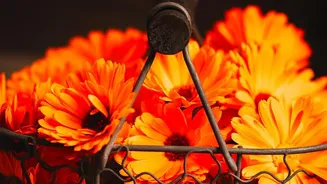
4. Calendula (Pot Marigold): The Sunny Healer
Often called the pot marigold, calendula is a hardy and cheerful flower that thrives in cool weather. Its bright orange and yellow blossoms open wide in the sun, adding a lovely radiance to any garden space. In most parts of India, calendula performs exceptionally well during the winter and early spring. It prefers full sunlight for at least six hours a day and well-drained soil. While it needs consistently moist soil, be careful not to overwater. This plant is relatively low-maintenance and doesn't require heavy fertilisation; a light feed every few weeks is sufficient. Calendula is also known for its traditional medicinal uses and edible petals, though you should always verify safety before consumption.
5. Dahlia: The Showstopping Bloom
For a truly spectacular display, consider growing dahlias. While they require a bit more care, their large, intricate flowers are well worth the effort. Dahlias grow from tubers, which should be planted between October and November in India to allow them to establish roots before winter. They typically begin to flower from January through March. These plants love sunshine, needing at least six to eight hours of direct light daily. The soil should be well-draining and rich. For gardeners in climates with frost, the tubers need to be dug up and stored in a cool, dry place over winter after the foliage dies back. In milder climates, they can be left in the ground with a protective layer of mulch.