



The 'Gram-Ready' Revolution
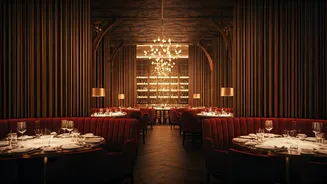
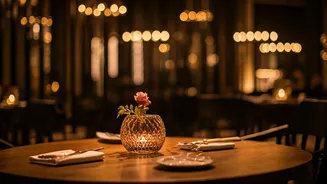
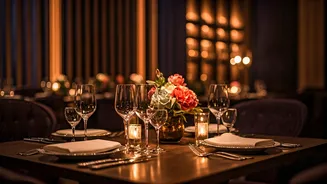
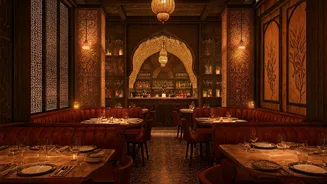
Walk into any new-age cafe or restaurant in urban India, and you're stepping into more than just a place to eat; you're entering a potential photoshoot. From statement walls with quirky neon signs to artfully placed greenery and perfect lighting, every
corner is meticulously designed to be 'Instagrammable'. This is a deliberate business strategy. Restaurant design has evolved into a critical element of the dining experience, intended to be visually compelling enough to make you pull out your phone. The goal is simple yet powerful: when diners share photos of the space, they become marketers, creating free, authentic publicity that draws in their followers. This shift has made platforms like Instagram a primary tool for discovering new eateries, often eclipsing traditional reviews.
From Plating to Palate
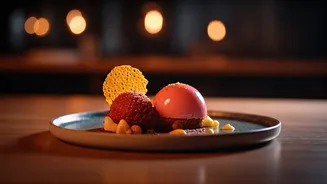
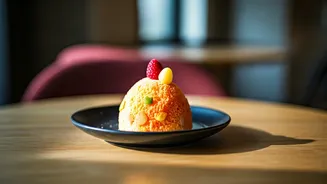
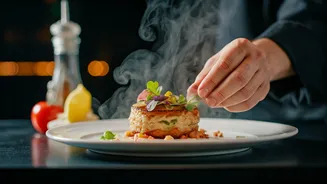
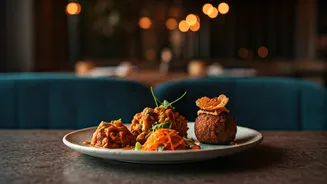
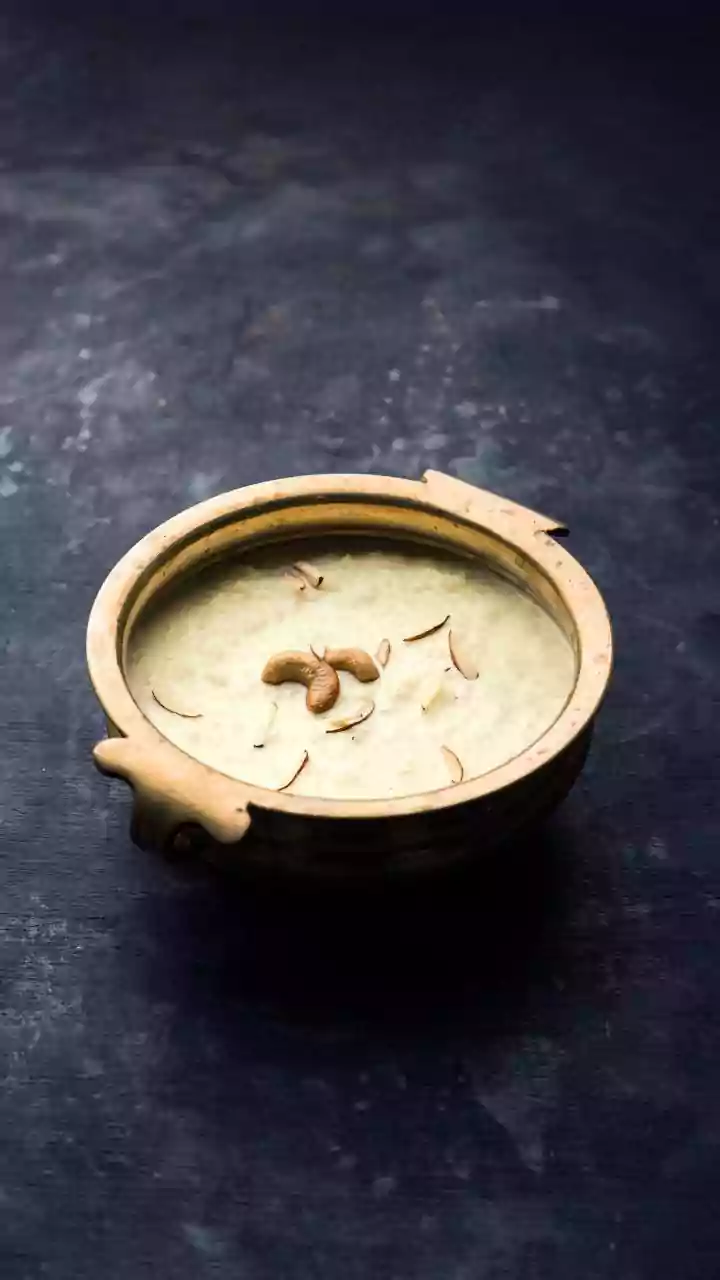
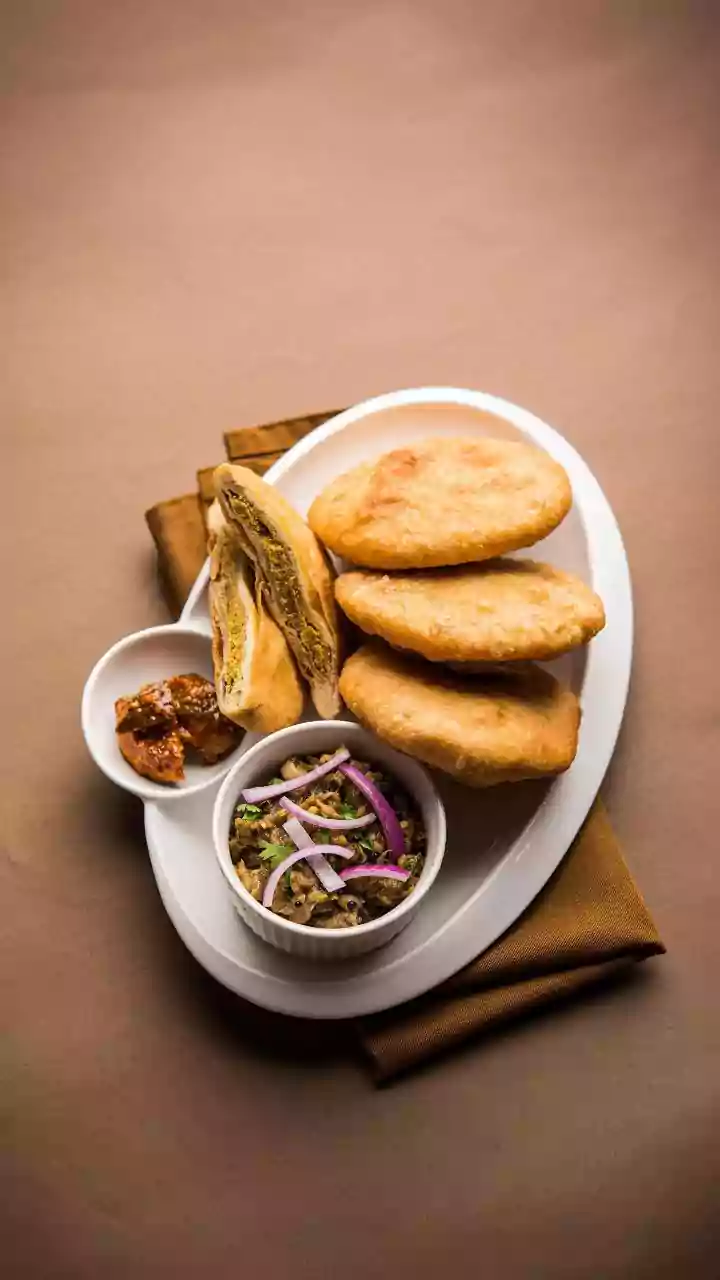
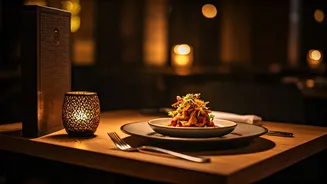
The focus on visuals doesn't stop with the decor. It extends directly to your plate. Chefs and restaurateurs now think like creative directors, designing dishes that are as aesthetically pleasing as they are flavourful. Think high-contrast colours, artistic drizzles, and theatrical elements like smoking cocktails or gold-leaf garnishes, all engineered to stand out on a social media feed. Even traditional meals are being reimagined for the screen; the generous, communal thali might be replaced by a single, perfectly arranged bowl because it photographs better. This has led to the rise of viral, attention-grabbing dishes, such as oversized burgers or fusion creations, designed specifically to stop you from scrolling. The visual appeal becomes an integral part of the meal itself, encouraging diners to capture the moment before they even taste it.
The Business of Being Seen
For modern Indian restaurants, a strong social media presence is as essential as a good menu. In a crowded market, user-generated content—your photos, reels, and stories—is one of the most effective forms of advertising. It provides social proof and drives footfall in a way that traditional marketing cannot. Recognizing this, many establishments actively collaborate with food bloggers and influencers to generate buzz. These digital tastemakers have immense sway over consumer choices, with their followers often trusting their recommendations implicitly. A few well-placed posts from the right creators can turn a little-known spot into the city's latest hotspot overnight, proving that in today's dining scene, visibility is directly linked to viability.
Beyond the Photo Op
While the focus on visuals is undeniable, the 'curiosity' part of the headline is equally important. This trend isn't just about superficial beauty; it's also about storytelling. Many restaurants use their unique design and photogenic dishes as a gateway to spark deeper interest. An eye-catching interior might reflect a specific region's cultural heritage, while a beautifully presented dish could be a modern interpretation of a forgotten family recipe. By capturing your attention with a camera-friendly element, these establishments hope to make you curious about the story behind the food, the history of the cuisine, or the philosophy of the chef. Social media has, in some cases, even helped revive interest in traditional Indian cuisines by showcasing the rich culinary heritage of different regions to a new generation. The camera is the hook, but the curiosity it inspires is what creates a truly memorable dining experience.