







More Than Just Pricey Pellets
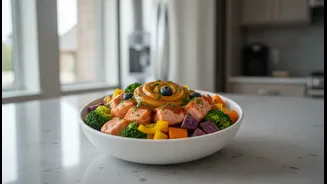
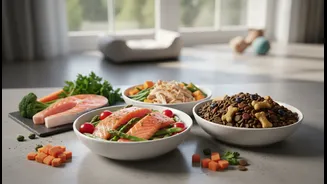
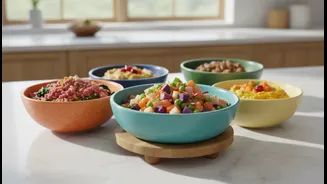
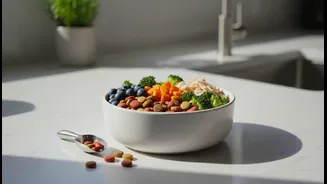
When we say 'gourmet pet food,' we're not just talking about a more expensive bag of dry food. This trend represents a fundamental shift in what pet food can be. Think freshly cooked, subscription-based meals delivered to your doorstep, formulated by
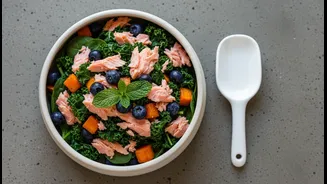
veterinary nutritionists. These services, popping up in metro cities like Mumbai, Delhi, and Bangalore, offer meals made with human-grade ingredients—things you’d recognise from your own grocery list, like chicken, fish, fresh vegetables, and quinoa. The menu can get quite lavish, with offerings including Atlantic salmon, boneless duck, and even quail eggs. Pet bakeries are also part of this movement, crafting special occasion cakes and treats that are free from sugar and made with pet-friendly flours and natural colourings.
The Rise of the 'Pet Parent'
So, what’s driving this culinary upgrade for our four-legged friends? The answer lies in a powerful cultural shift known as 'pet humanization'. Across India, a growing number of people no longer see themselves as mere pet owners, but as 'pet parents'. A recent survey found that 57% of Indian pet owners consider their pets to be family members, with another 16% viewing them as their children. This deep emotional bond, especially prevalent among millennials and in nuclear families, is transforming how pets are cared for. As pets move from the backyard into our living rooms and become integral parts of the family, the desire to provide them with the best possible care—including high-quality nutrition—naturally follows.
Wellness Culture for Paws
The focus on clean eating and wellness that has dominated human health trends for the past decade has officially trickled down to the pet bowl. As people become more conscious of what they put into their own bodies, they are applying the same scrutiny to their pets' diets. This has created a surge in demand for pet food with organic ingredients, no preservatives, and transparent labelling. The market is responding in kind. The human-grade pet food market in India, valued at over USD 46 million in 2024, is projected to see steady growth as more owners seek out these premium options. This reflects a broader trend where spending on pet care is seen not as an indulgence, but as an investment in a beloved family member's long-term health and happiness.
But Is It Actually Better?
With monthly costs for fresh food subscriptions sometimes running into thousands of rupees, the big question for many is whether it's worth it. While proponents point to benefits like improved digestion and healthier coats, the veterinary community advises a balanced perspective. The most important factor in any pet diet is that it is 'complete and balanced' for the animal's specific life stage and health needs. Many well-established commercial pet food brands achieve this through rigorous scientific research and feeding trials. Some experts caution that boutique or homemade diets, despite their appealing ingredients, can lack essential nutrients if not formulated correctly by a certified veterinary nutritionist. The popular 'grain-free' trend, for instance, has even been investigated for potential links to heart conditions in dogs. The consensus is that high-quality ingredients are great, but nutritional science is what truly matters for your pet's health.