





More Than a Fruit, a Cultural Event
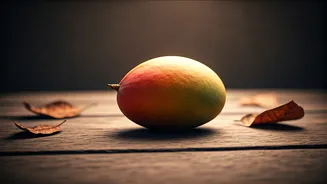
For most Americans, a mango is a mango. It’s that sweet, slightly fibrous tropical fruit you might find nestled between the avocados and pineapples at the grocery store, usually the sturdy Tommy Atkins variety. But in India, the mango, or 'aam,' is not
just a fruit; it's a cultural phenomenon. The arrival of mango season around March is a national event, sparking conversations, debates, and cross-country shipments of coveted boxes. It’s a symbol of summer, a fixture of childhood memories, and a source of fierce regional pride. Families have their preferred vendors, newspapers run features on the year's harvest, and friendly arguments erupt over which variety reigns supreme. The season dictates moods, inspires poetry, and for a few short months, becomes the delicious center of the universe for over a billion people.
A Parade of Deliciously Different Kings
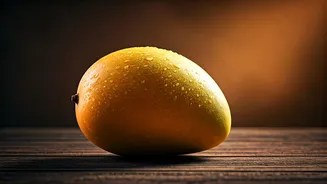
To understand the mania, you have to understand the diversity. India is home to over 1,500 mango varieties, and the season unfolds like a play in several acts. First comes the Alphonso from the western coast, hailed as the 'King of Mangoes.' It’s a small, saffron-hued fruit with a creamy, non-fibrous flesh and a complex, honeyed flavor. It’s so prized that its price can be eye-watering, but for its devotees, it's worth every rupee. As the weeks pass, other stars take the stage. There’s the Kesar from Gujarat, with its intense sweetness and bright orange pulp, perfect for juice. The Dasheri from the north is longer, greener, and addictively sweet, while the Langra from Varanasi has a unique, slightly tart finish. Each has a distinct personality, a specific peak season, and a loyal fanbase. It’s like having a dozen different kinds of amazing apples appear for only a few weeks a year, except each one is exponentially more fragrant and beloved.
The Frantic Race Against the Rains
The “style” in the season’s end is a mix of celebration and desperation. As summer heat peaks in June and July, the impending monsoon rains signal the grand finale. The monsoon is essential for agriculture, but it’s the death knell for the mango harvest. The humidity and rain cause the delicate fruit to spoil quickly, bringing the glorious season to a close. This creates a frantic, nationwide scramble. Markets are flooded with the last of the crop. Prices for late-season varieties might drop, and households across the country go into preservation mode. It's a race to eat, process, and save the last taste of summer. This isn't a quiet fizzling out; it’s a high-stakes rush to capture the season’s magic before it’s washed away.
A Sweet Goodbye and a Tangy Promise
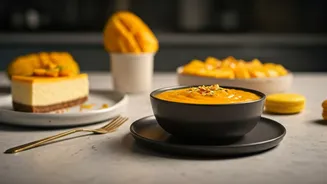
Ending in style means leaving a legacy for the rest of the year. As the fresh fruit disappears, kitchens come alive with the sights and smells of preservation. Mountains of green, unripe mangoes are chopped and mixed with oil and spices to create 'achaar,' or spicy pickle, a tangy condiment that will accompany meals for months. Ripe mango pulp is sweetened, spread thin on plates, and sun-dried to create 'aam papad,' a chewy, fruit-leather-like snack that tastes of concentrated sunshine. Huge batches of mango pulp are frozen to be used in smoothies, lassis, and desserts long after the trees are bare. This isn't just about avoiding waste; it's a ritual. It’s a way of bottling the joy of summer and ensuring the spirit of the mango lives on, a delicious promise that, after the rains and the cool of winter, the king will return once more.