






What's Shifting in US Trade Policy?
US trade policy has been in a state of flux, with numerous changes to tariffs since 2025. Tariffs are essentially taxes that American importers must pay to bring in goods from other countries. Recent discussions have revolved around a complex mix of actions.
While some tariffs imposed under emergency powers were struck down by courts earlier this year, new ones have been introduced. A significant recent development is a proposed agreement between the U.S. and China to reduce tariffs on a selection of 'non-sensitive' goods. This includes potential relief for U.S. imports of Chinese-made consumer products like toys, small appliances, and tableware, and for Chinese imports of American agricultural goods. However, the exact timing and scope of these reductions are still being finalized, creating an environment of uncertainty for businesses.
The Journey from Port to Price Tag
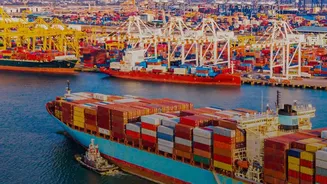
When a tariff is placed on an imported product, it's the U.S.-based importer, not the foreign exporter, who pays the tax to the government. These importers, faced with higher costs, have a choice: absorb the cost and accept lower profits, or pass it on to their customers. Most often, they choose to pass at least some of that cost down the line. This creates a ripple effect. The wholesaler pays more, then the retailer pays more, and ultimately, the consumer sees a higher price on the shelf. Research from the Federal Reserve Bank of New York indicates that for every percentage point increase in average tariffs, consumer goods prices tend to rise by about a quarter of a percent within a year.
It's Not Just Imported Goods
A common misconception is that tariffs only make foreign products more expensive. In reality, about a third of the price increases linked to tariffs are on goods made within the U.S. This happens for two main reasons. First, many American manufacturers rely on imported raw materials and components. A car assembled in the U.S., for instance, might use imported steel, electronics, or rubber. When tariffs raise the cost of these parts, the final price of the American-made car goes up. Second, tariffs reduce competition. When imported alternatives become more expensive, domestic companies can raise their own prices without losing as many customers. The price hikes on imported goods happen almost immediately, while the impact on domestic goods can take six to twelve months to fully materialize as higher costs work their way through the supply chain.
Which Products Are Most Vulnerable?
Certain product categories are more sensitive to trade policy than others. Electronics, clothing, furniture, and food are often cited as examples of goods where consumers feel the impact of tariffs directly. The recent U.S.-China discussions specifically highlight the potential for price changes in items like small appliances, toys, and home goods. For example, a significant portion of toys sold in the U.S. are manufactured in China, making them highly susceptible to tariff changes. Any increase in tariffs can directly translate to higher prices for families, while the proposed reductions could bring relief. On the other side, American agricultural exports like meat, dairy, and grains could see better market access in China if proposed tariff cuts are implemented.