




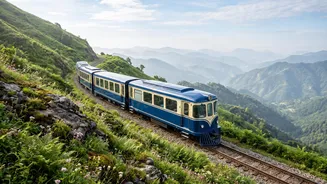
A Sooty Footprint on Scenic Landscapes
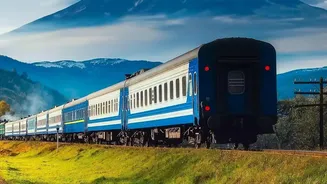
Many of the world's most iconic heritage railways snake through pristine natural environments, offering passengers a link to the past amidst stunning scenery. However, a significant number of these routes are not electrified, forcing them to rely on diesel-powered
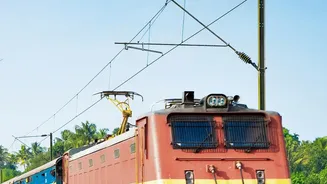
locomotives. While effective, diesel engines come with a considerable environmental cost. They emit a cocktail of harmful pollutants, including nitrogen oxides, fine particulate matter, and carbon dioxide. These emissions not only contribute to climate change but also degrade local air quality, create noise pollution, and can leave a layer of soot on the surrounding environment. This creates a fundamental conflict: the very act of appreciating these beautiful, often ecologically sensitive, areas contributes to their pollution.
The Science of Clean Propulsion
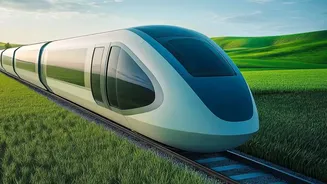
Hydrogen fuel cell technology offers a powerful solution to this dilemma. Instead of burning fuel, a hydrogen train works through an electrochemical reaction. Hydrogen stored in onboard tanks is fed into a fuel cell, where it combines with oxygen drawn from the air. This process generates electricity to power the train's motors. The beauty of this system lies in its byproduct: the only emission from the tailpipe is water vapor. This means no carbon dioxide, no nitrogen oxides, and no particulate matter are released during operation, making the trains virtually silent and, at the point of use, completely emission-free. The electricity generated can be used directly or stored in batteries for supplemental power, creating an efficient and responsive system.
A Perfect Match for Heritage Lines
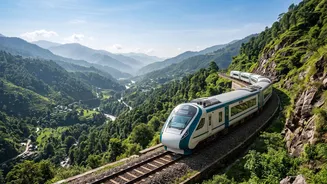
Heritage and mountain routes are uniquely suited for hydrogen technology. Many of these lines are non-electrified because the cost and environmental disruption of installing overhead electrical lines and substations would be prohibitive and would spoil the historical aesthetic. Hydrogen trains can operate on this existing infrastructure without expensive modifications. This makes them a cost-effective and practical alternative to diesel for routes with lower traffic density. Furthermore, the clean, quiet operation of hydrogen trains enhances the passenger experience, allowing for an immersive journey through nature without the intrusion of a loud, polluting engine. It's a way to preserve both the industrial heritage of the railway and the natural heritage of the landscape it crosses.
Pioneers on the Tracks
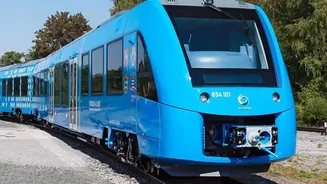
This technology is not just theoretical; it's already in motion. Alstom's Coradia iLint, the world's first hydrogen-powered passenger train, entered service in Germany in 2018 and has since been tested in several other European countries. In Italy, new hydrogen trains are set to operate on a scenic route near Mount Etna in Sicily. India has also embraced the concept with its “Hydrogen for Heritage” initiative, which aims to deploy 35 hydrogen trains on iconic narrow-gauge routes, including the famous Kalka-Shimla and Darjeeling Himalayan Railways. The first pilot train began running in the country in mid-2026, marking a significant step toward decarbonising these treasured lines.
Challenges on the Uphill Climb
Despite its clear benefits, the path to widespread adoption has its hurdles. The high upfront cost of the trains and the necessary refueling infrastructure is a significant barrier. Moreover, the environmental credentials of a hydrogen train depend heavily on how the hydrogen itself is produced. For the system to be truly green, it must run on “green hydrogen,” which is made using renewable energy to split water through electrolysis. Currently, much of the world's hydrogen is “grey hydrogen,” derived from fossil fuels, which undermines the climate benefits. Ensuring a reliable and affordable supply of green hydrogen is the next critical step for this technology to reach its full potential.