





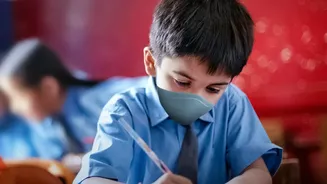
The Annual 'Pollution Break'
For families in Delhi and the National Capital Region (NCR), it has become a grimly familiar routine. As winter approaches, air quality plummets to 'severe' or 'hazardous' levels, triggering the Graded Response Action Plan (GRAP). This year is no different.
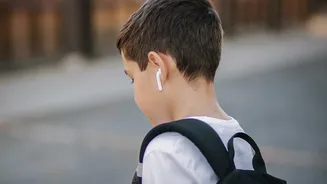
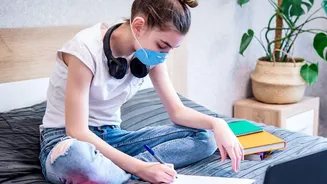
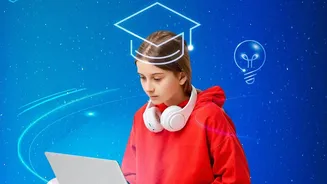
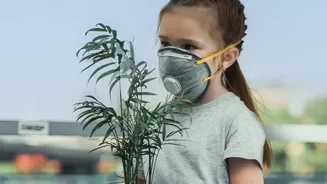
With the Air Quality Index (AQI) soaring, authorities have advised hybrid or online classes, particularly for younger children in primary school. This now-common 'pollution break', as some parents call it, forces children out of classrooms and back in front of screens, effectively trapping them indoors to shield them from the toxic air outside. While intended as a protective measure, this recurring cycle of disruption raises serious concerns about its unintended consequences.
The Psychological Weight of Smog
The physical dangers of air pollution are well-documented, but its impact on mental well-being is a growing area of concern. Research has started to draw a clear line between exposure to air pollutants and a higher risk of mental illnesses, including anxiety and depression. For children, whose brains are still developing, this risk can be even more pronounced. The oppressive, ever-present smog can create a baseline of stress and fear. Beyond the direct neurological impact, the awareness of a constant environmental threat and the limitations it imposes on life can contribute to a pervasive sense of unease in both children and their parents.
From Social Learning to Screen Fatigue
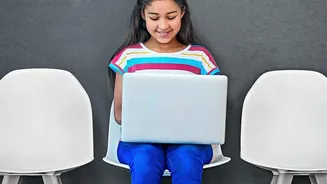
The shift to online classes, while necessary, brings its own set of stressors. The sudden change disrupts established routines, a key element for a child's sense of stability. Unlike the interactive environment of a physical classroom, online learning can lead to social isolation from peers and teachers, a known risk factor for anxiety. Extended screen time is linked to sleep disturbances, irritability, and digital fatigue. Children may struggle with a lack of motivation, difficulty concentrating, and the unique pressure of performing academically in a virtual setting that lacks the social and emotional support of a school. This deprivation of peer interaction and play is a significant loss for socio-emotional development.
The Four-Wall Syndrome: Confinement and Inactivity
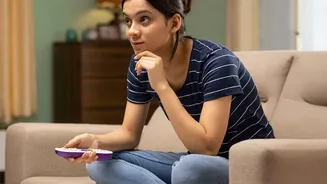
Being forced indoors for extended periods has a profound psychological impact. Children are deprived of essential physical activity and unstructured outdoor play, which are crucial for managing stress and regulating energy. This lack of physical release can manifest as restlessness, irritability, and frustration. Studies conducted during similar periods of home confinement found that children experienced increased boredom, loneliness, and a higher incidence of emotional and behavioural difficulties. The lack of personal space at home and the inability to engage with friends can create a 'vicious circle', where psychosocial stress and an unhealthy, sedentary lifestyle aggravate one another.
What Parents Should Look For
Anxiety in children doesn't always look like adult worry. Parents should be mindful of shifts in behaviour. Common signs include increased irritability, mood swings, or frequent crying spells. Changes in sleep patterns, such as difficulty falling asleep or waking up frequently, are also red flags. Some children may complain of physical symptoms like headaches or stomach aches that have no clear medical cause. Other indicators can include withdrawing from family activities they once enjoyed, a noticeable decline in academic performance, or expressing excessive worries about health, school, or the future. Repetitive behaviours or developing new, irrational fears are also signs that a child may be struggling to cope.
How to Build Resilience at Home
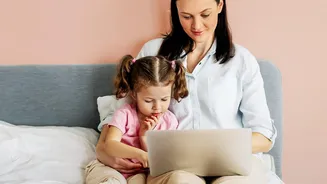
While parents can't control the pollution, they can take steps to mitigate its impact on their child's mental health. Establishing a predictable daily routine, even without school, provides a sense of normalcy and security. It's crucial to balance screen time for academics with creative, screen-free indoor activities and play. Openly talking about feelings and validating a child's worries about the situation can help them feel understood and less alone. Parental attitude plays a huge role; a calm and resilient approach from parents can significantly support a child's well-being. Encouraging positive family interactions and finding ways to connect with friends virtually can help combat loneliness. If signs of anxiety persist, seeking professional guidance from a child psychologist or counsellor is a sign of strength.