


In a world obsessed with complex, restaurant-style cooking, a quiet revolution is happening in our kitchens. More people are turning away from complicated recipes and embracing the simple, wholesome, and familiar taste of tradition.
A Retreat from Culinary Overload
The pressure to create
picture-perfect, multi-step meals has led to a sense of fatigue among many home cooks. For years, convenience meant fast food or ready-to-eat meals, but that definition is changing. Today, simplicity is the new convenience. There is a growing movement away from the stress of elaborate cooking and towards minimalist meals that prioritize fresh, familiar ingredients. This 'back-to-basics' approach rejects culinary overcomplication, focusing instead on straightforward techniques like one-pot or sheet-pan dinners that are efficient and easy to clean up. It's a response to the chaos of modern eating, offering a more sustainable way to nourish the body without the pressure of perfection. This shift is not just about saving time; it's about reclaiming the kitchen as a place of calm and enjoyment, not performance.
The Comfort of Heritage and Nostalgia
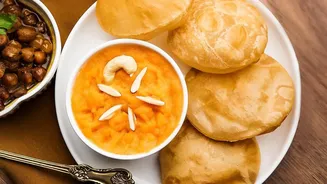
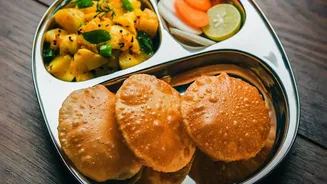
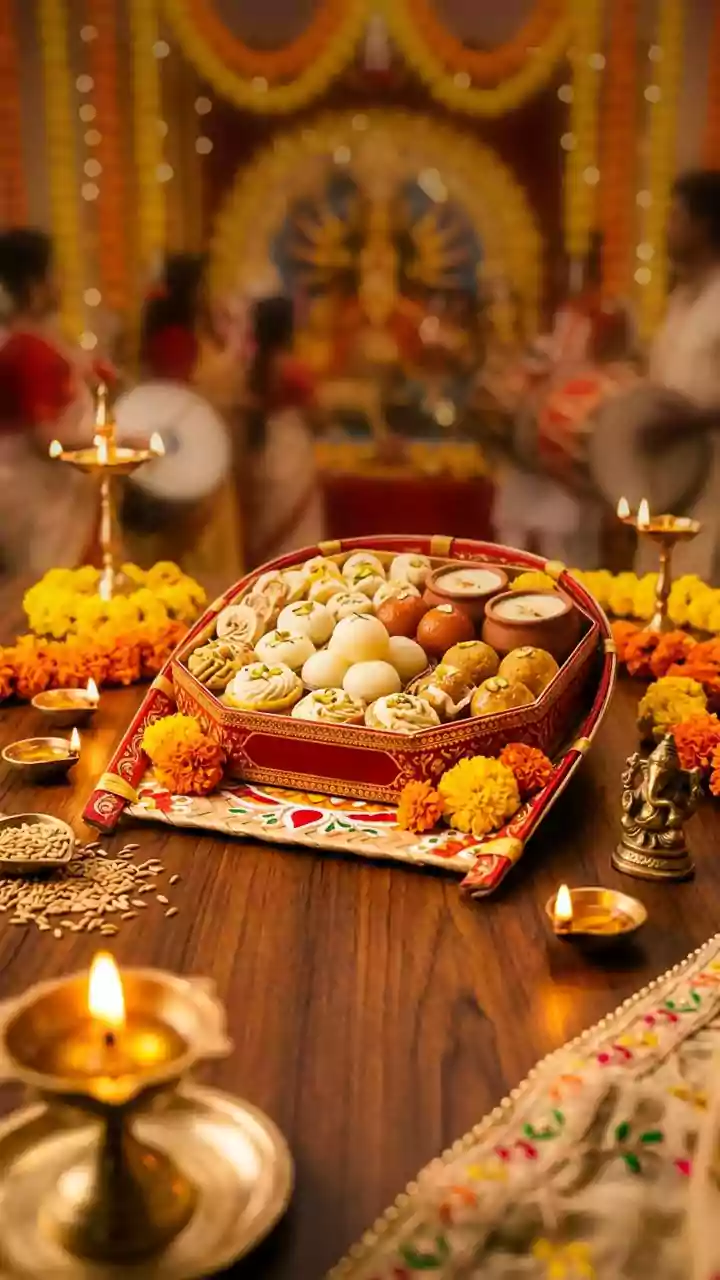
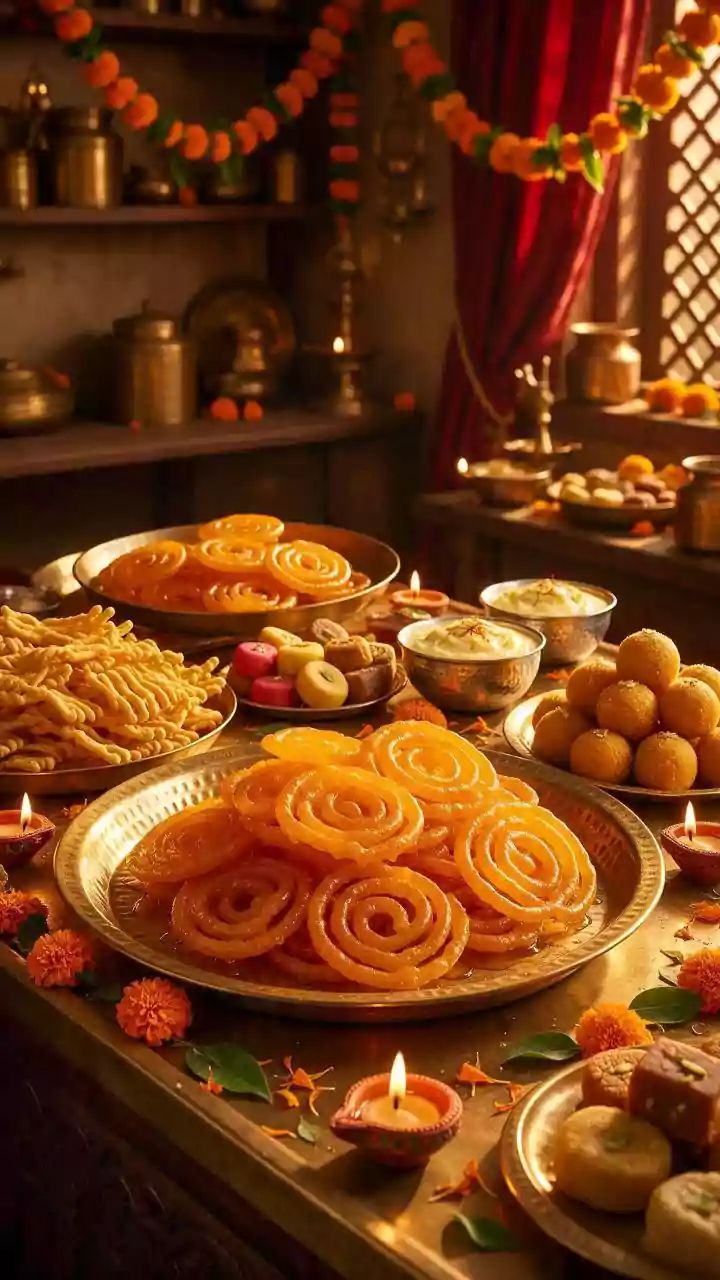
There's a deeply emotional reason behind the return to traditional recipes. Dishes passed down through generations are more than just food; they are conduits for cultural and family traditions. Preparing a meal that your grandmother or mother used to make offers a tangible connection to your heritage, anchoring you in your family's history. This trend gained significant momentum during the pandemic, when many people rediscovered home cooking as a source of stability and comfort during uncertain times. That experience left a lasting impression, with many continuing to find solace in the mindful ritual of preparing familiar foods. In a fast-changing world, these recipes provide a taste of home that feels authentic and reassuring, a story told in flavours and aromas.
The Unbeatable Nutrition of Tradition
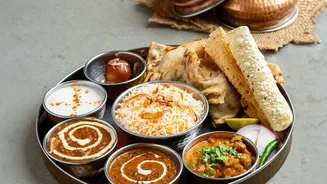
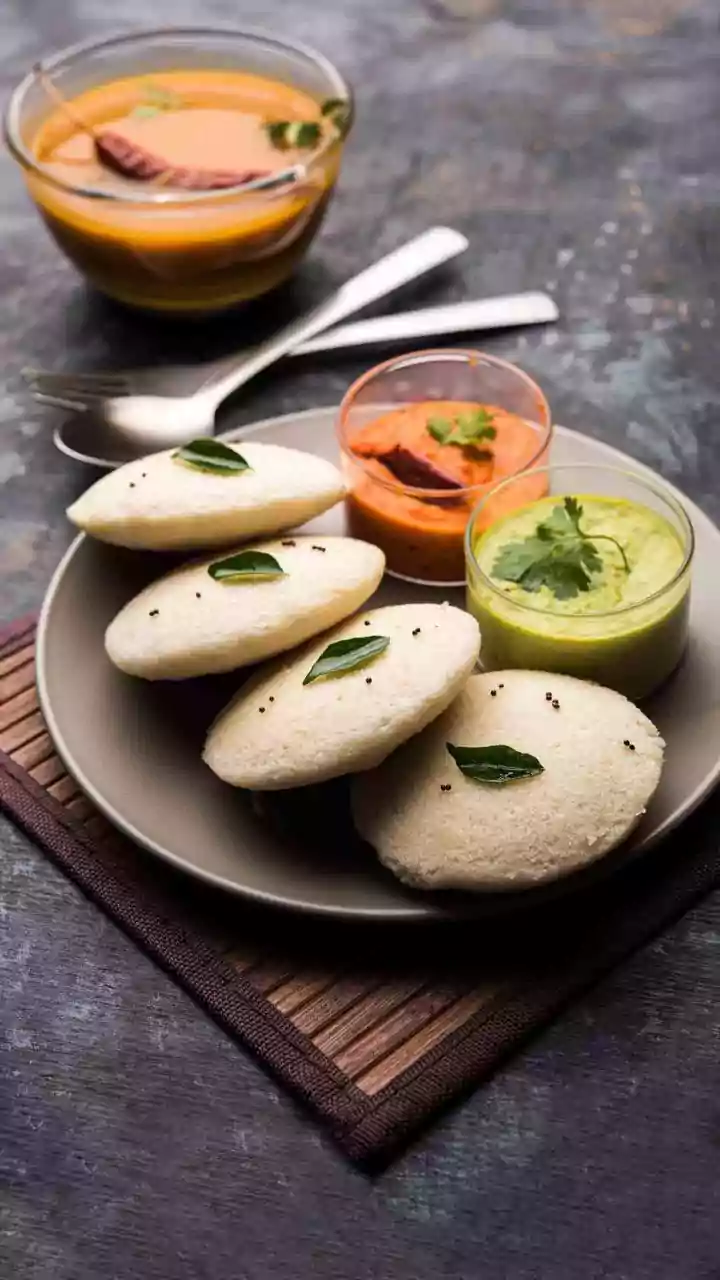
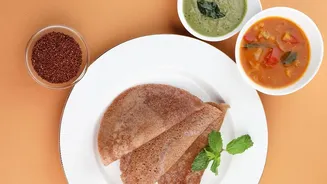
Beyond comfort, many are realizing that traditional diets are inherently nutritious. Traditional Indian cooking, for example, is rich in lentils, millets, vegetables, and Ayurvedic spices, which are increasingly seen as tools for long-term wellness. These meals often provide a balanced mix of carbohydrates, proteins, and healthy fats, ensuring sustained energy. The use of spices like turmeric, cumin, ginger, and garlic not only adds incredible flavour but also offers health benefits, such as anti-inflammatory properties and digestive aid. By focusing on whole, unprocessed foods, these recipes are naturally high in fibre, vitamins, and minerals. As awareness grows around the negative impacts of ultraprocessed foods, the clean, simple ingredient lists of ancestral dishes are more appealing than ever.
Simplicity Meets Modern Needs
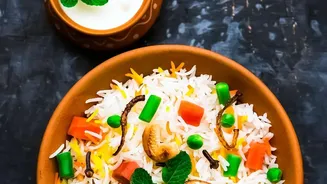
The move towards traditional cooking isn't about rejecting modern life; it's about adapting timeless wisdom to fit contemporary needs. Busy schedules still demand efficiency, and many traditional recipes are surprisingly quick and simple. A dish like South Indian Lemon Rice, for instance, can transform leftovers into a brandnew meal with minimal effort. The focus has shifted to simple solutions for everyday meals. This practicality is especially appealing to younger generations like Gen Z, who often prefer cooking with fewer ingredients. Furthermore, economic factors like rising food prices make the budgetfriendly nature of cooking with staples like beans, lentils, and seasonal produce a smart financial choice. This blend of thrift, health, and efficiency makes traditional cooking a powerful tool for the modern home chef.
Passing the Baton to the Next Generation
This revival is also about preservation. As older generations pass on, there is a growing urgency to document and learn family recipes that have only been passed down through oral tradition. Young Indians, in particular, are actively reviving these heirlooms, writing down their grandmothers' instructions and sharing them online to keep their culture alive. Chefs are also playing a role, turning to childhood memories and community kitchens—not just royal ones—to bring lost dishes back to light. This act of cooking and sharing becomes a way to connect with ancestors and ensure that valuable culinary knowledge isn't lost to time. These efforts are turning kitchens into living archives, where every meal continues a conversation with the past.