





Mastering Monsoon Watering
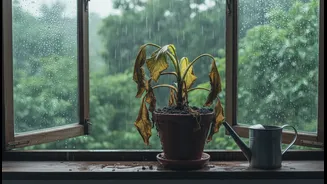
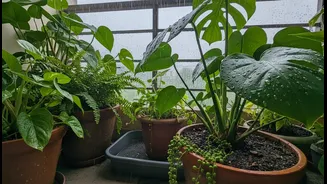
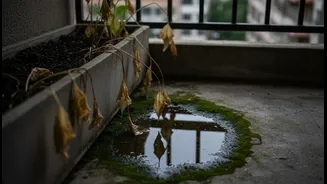
The single biggest mistake during the monsoon is overwatering. With constant rain and high humidity, the soil in your pots will stay moist for much longer. Before you reach for the watering can, always check the soil. Insert your finger about an inch
deep; if it feels damp, wait another day. For most balcony plants, natural rainfall will be sufficient. Root rot is the number one killer of potted plants during this season, and it begins when roots sit in waterlogged soil. Let the rain do its job and only supplement during extended dry spells.
Prioritise Pot Drainage
Good drainage is non-negotiable. Ensure every single pot has drainage holes at the bottom. If water cannot escape, your plant's roots will drown. To improve drainage further, you can elevate your pots using 'pot feet', bricks, or bottle caps. This small step prevents the pot from sitting in a puddle of water and allows air to circulate underneath, which helps the soil dry out. A well-draining potting mix, often containing cocopeat and perlite, is also crucial, especially given Bengaluru's often heavy, clay-like soil.
Guard Against Pests and Fungi
High humidity creates a paradise for fungal diseases and pests. Powdery mildew, root rot, aphids, and mealybugs are common culprits during the Bengaluru monsoon. The best defence is prevention. Space your plants out to improve air circulation so leaves can dry faster. A proactive, fortnightly spray of neem oil solution (about 5ml of oil mixed in a litre of water with a drop of liquid soap) can prevent most fungal and pest issues. Regularly inspect the undersides of leaves for any early signs of trouble.
Choose Monsoon-Happy Plants
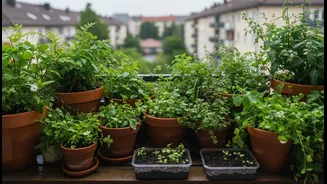
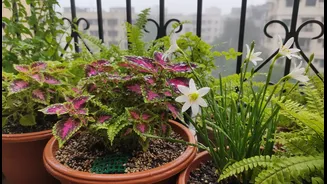
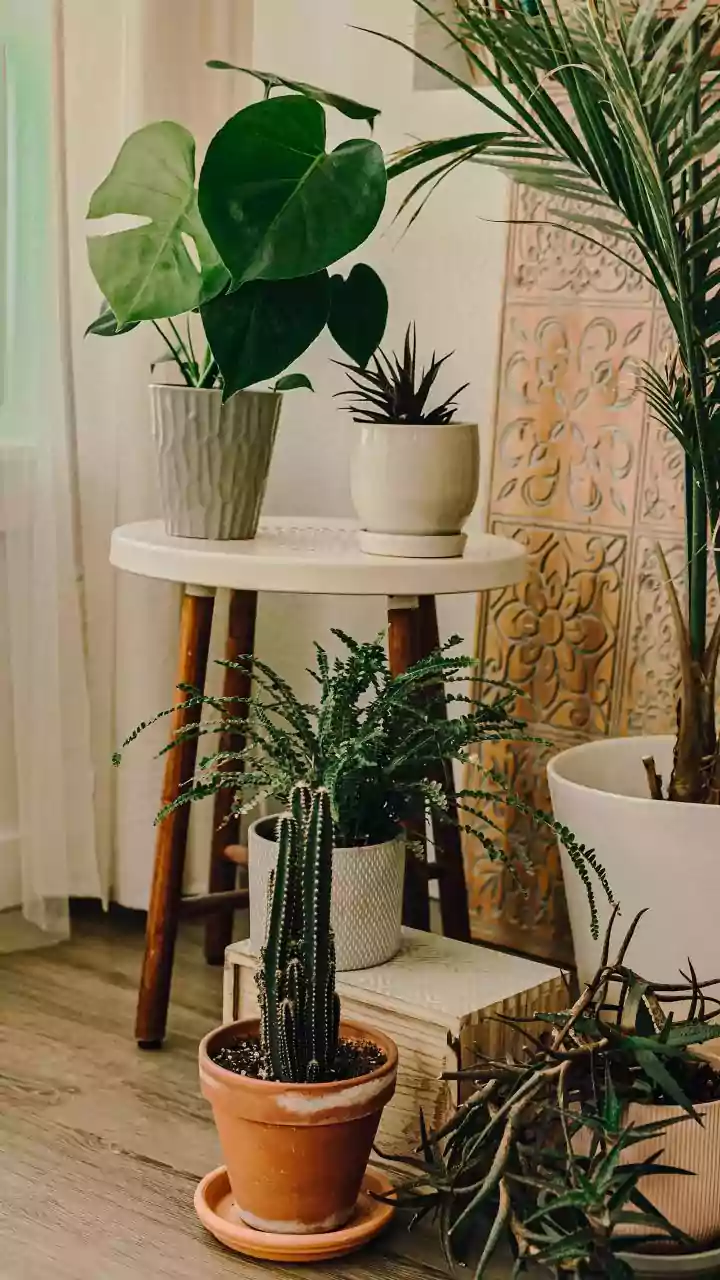
Not all plants enjoy the constant dampness. Succulents and cacti, for instance, should be moved to a covered, well-ventilated spot to protect them from rot. However, many other plants thrive in these conditions. The monsoon is the perfect time for foliage plants like coleus, caladiums, and philodendrons to flourish. It's also an ideal season for flowering beauties like hibiscus, jasmine, canna lilies, and the magical rain lily, which often blooms right after the first showers. If you're growing edibles, herbs like mint and tulsi do well, as do vegetables like spinach, amaranth, and various gourds.
Provide Support and Shelter
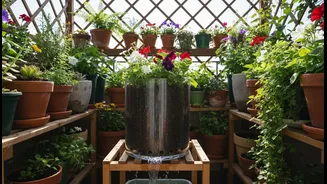
Monsoon winds and heavy downpours can be harsh on delicate plants. Taller plants or those with slender stems, like tomatoes or certain flowering varieties, may need staking to prevent them from breaking. If your balcony is very exposed, consider moving more fragile pots closer to the wall for protection. For plants that are sensitive to being waterlogged but still enjoy the humidity, placing them under a retractable awning or a simple patio umbrella can provide the necessary shelter from the heaviest rains.
Prune, Tidy, and Fertilise Lightly
This is a great time for pruning. Trimming your plants encourages fresh, bushy growth and improves air circulation, which helps ward off fungal infections. Remove any yellowing or dead leaves promptly, as they can harbour diseases. When it comes to fertiliser, less is more during the monsoon. Heavy rains can wash nutrients out of the soil quickly, but over-fertilising can harm stressed roots. If you do fertilise, use a half-strength solution or opt for a slow-release organic compost. For many plants, it's best to stop fertilising altogether until the rains subside in September or October.