




The Gut's Complex Universe
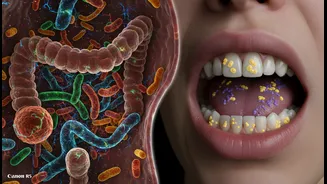
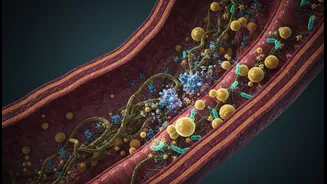
Inside each of us resides a bustling metropolis of trillions of microorganisms, including bacteria, viruses, and fungi, collectively known as the gut microbiome. This internal ecosystem is far from a passive passenger; it plays a critical role in everything
from digesting food and producing essential vitamins to regulating our immune system and even influencing our mood. For years, scientists have understood that what we eat is one of the most powerful factors shaping this microbial world. The prospect is tantalizing: if we can understand how specific foods affect specific microbes, we could unlock new ways to prevent and treat chronic diseases. However, the path to that understanding has been rocky.
Science's Reproducibility Problem
For the last decade, many fields of science have been grappling with a “reproducibility crisis.” This means that when one group of scientists conducts an experiment, other independent researchers often struggle to get the same results when they try to repeat it. Reproducibility is the bedrock of scientific truth; without it, findings remain uncertain. Nutrition and microbiome research have been particularly affected. Human bodies are incredibly complex and unique; factors like genetics, lifestyle, and environment all vary significantly from person to person. This variability has made it exceptionally difficult to produce consistent findings, leading to a flood of studies that seem to contradict each other and leaving the public confused about what to believe.
A Turning Point for Research
This is why the new study published in the journal Nature is so significant. Researchers conducted a meta-analysis, a type of study that systematically combines the results of multiple previous studies to identify consistent patterns. By re-analyzing data from 27 different studies on the effect of a high-fat diet on the gut microbiomes of mice and humans, they found a reproducible signature. Despite the variations in experimental design across the different studies, the analysis showed that a high-fat diet consistently and predictably changed the gut microbial community structure. This suggests that the field is maturing and that underlying, reliable signals can be detected through the noise.
Standardisation and Smarter Methods
So, what's changing? The improvement in reproducibility isn't accidental. It's the result of the scientific community actively working to solve the problem. One major factor is the move towards standardisation of methods and better data sharing. By agreeing on how to collect samples, analyze data, and report findings, researchers can make their work easier to compare and verify. Furthermore, the use of powerful analytical tools, like the machine learning approach in the Nature study, allows scientists to identify subtle but consistent patterns across vast and complex datasets. Researchers are also getting better at understanding confounding variables, such as how the time of day a sample is taken can dramatically alter the results. This focus on rigour and new technology is building a stronger foundation for the entire field.
What This Means for Your Health
For the average person, this progress in the lab might seem distant. However, its implications are very real. More reproducible research means that the health advice that eventually reaches the public will be based on a much more solid body of evidence. While we are still far from a “one-size-fits-all” diet, this work is a crucial step towards personalised nutrition, where recommendations can be tailored to an individual's unique microbiome. It means that in the future, when a study links a certain diet to better health outcomes, we can have more confidence that the finding is real. This study doesn't offer a new diet plan, but it provides something more valuable: assurance that the science behind our nutrition is becoming more trustworthy.