





What Is the 'Blue Flag' All About?
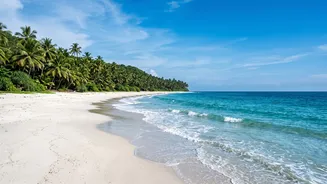
The Blue Flag is a highly respected international eco-label awarded to beaches, marinas, and sustainable tourism boats. Run by the Denmark-based Foundation for Environmental Education (FEE), this voluntary certification signifies that a beach meets an exacting
list of 33 criteria. These standards are grouped into four main categories: environmental education and information, bathing water quality, environmental management, and safety and services. Essentially, if a beach has a Blue Flag, it’s recognised as one of the cleanest, safest, and most environmentally well-managed in the world. The certification is not permanent; beaches must prove they are maintaining these high standards each season to keep their status.
India's Push for World-Class Coastlines
The recent recognition for Maharashtra is part of a broader national effort. For the 2026-27 season, India now has a total of 22 Blue Flag-certified beaches. This includes nine newly awarded sites and 13 that successfully had their certification renewed. This achievement highlights India's commitment to upgrading its coastal areas under programmes like the Beach Environment and Aesthetics Management Services (BEAMS), which falls under the Ministry of Environment, Forest and Climate Change. The goal is to create not just beautiful, but also sustainable and safe environments for tourists, which in turn boosts local economies and preserves natural heritage.
Spotlight: Ladghar Beach, Ratnagiri
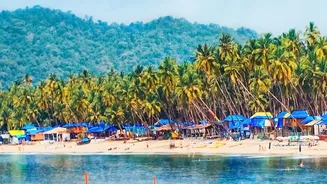
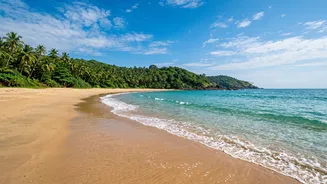
Located in Ratnagiri district near Dapoli, Ladghar is one of the first beaches in Maharashtra to receive this honour. It is sometimes called 'Tamas Teertha' because of the reddish hue its sands take on during sunset. Known for its generally calm and shallow waters, it has become a spot for dolphin-watching tours and is admired for its laid-back atmosphere. The Blue Flag certification recognises the community's efforts in maintaining cleanliness and protecting the area's coastal biodiversity.
Spotlight: Guhagar Beach, Ratnagiri
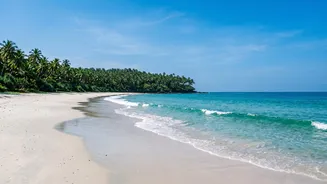
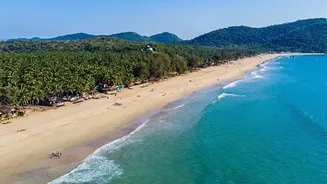
Also in Ratnagiri district, Guhagar is famous for its long, pristine stretch of white sand, which extends for nearly six kilometres and is lined with beautiful Suru (casuarina) trees. This beach has long been a favourite for families and those seeking a tranquil escape. Its inclusion on the Blue Flag list celebrates its clean bathing waters and the presence of low-impact, sustainable tourism infrastructure. It's a testament to how natural beauty can be successfully managed for public enjoyment without compromising environmental health.
Spotlight: Shrivardhan Beach, Raigad
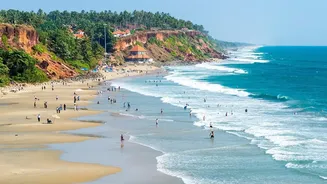
The third new addition is Shrivardhan beach in Raigad district, known for its serene, crescent-shaped shoreline. The beach has a gentle, flat slope, making it particularly safe for swimming and other water activities. Historically significant as a town associated with the Peshwas of the Maratha Empire, Shrivardhan now also boasts a reputation for excellent waste management led by the local gram panchayat. For visitors who enjoy a bit of adventure, the beach is also a hub for water sports like parasailing and boat rides.
A Win for Tourists and the Environment
This certification is more than just an award; it's a new identity for Maharashtra on the global tourism map. The 'Blue Flag season' for these beaches officially began on November 15, 2026, marking a new chapter for the Konkan coast. For travellers, it’s an assurance of quality, safety, and cleanliness. For the local communities, it promises a boost in sustainable tourism, creating jobs and economic opportunities while encouraging the protection of the very environment that draws visitors in the first place. The state government has indicated that it plans to develop other eligible beaches to meet these international standards, suggesting this is just the beginning of a cleaner, greener future for Maharashtra's coastline.