






The Physical Armour: Gearing Up for the Deluge
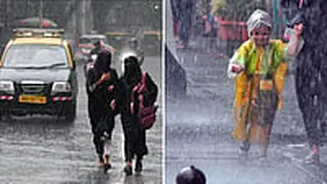
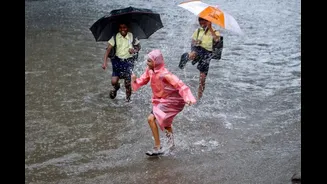
Surviving the monsoon commute begins with the right physical armour. This goes far beyond a simple umbrella, which often proves no match for the city's gusty winds. Seasoned Mumbaikars opt for durable, full-length raincoats and, crucially, waterproof
footwear designed for wading through unpredictable water levels. Potholes hidden beneath murky water are a notorious hazard, making sturdy, closed-toe shoes a non-negotiable for safety. Another key piece of equipment is a reliable waterproof bag or at least a waterproof liner for backpacks. With electronics being an essential part of daily life, protecting laptops, phones, and chargers from the relentless downpour is paramount. Many also carry a small, quick-dry towel and a change of socks to combat the dampness that inevitably seeps in, ensuring some comfort upon reaching the office.
The Battleground: Navigating Waterlogged Rails and Roads
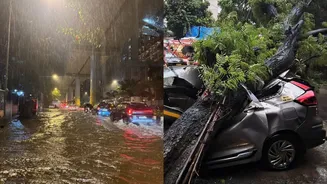
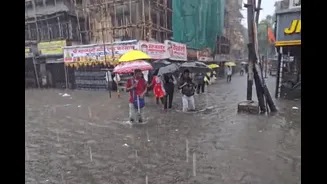
The city’s transport network, the lifeline for its workforce, becomes a daily battleground. The 2026 monsoon season has already made its mark, with the southwest monsoon's arrival on June 23 bringing heavy rainfall that disrupted services. Heavy showers led to significant waterlogging in low-lying areas like Andheri, King's Circle, and Hindmata, causing traffic snarls and delays. The suburban railway, which carries millions daily, is particularly vulnerable. This was seen on Wednesday when a track cave-in between Turbhe and Koparkhairane on the Trans-Harbour line led to the cancellation of 24 local trains and significant delays, stranding thousands of commuters during peak hours. Services on the Central and Western lines also ran behind schedule due to water on the tracks, leading to dangerously overcrowded trains. BEST buses were diverted from over 24 routes, forcing commuters to rely on expensive auto-rickshaws and taxis.
The Mental Fortitude: More Than Just Patience
This is where emotional strength comes into play. The daily commute, already stressful, is amplified tenfold during the monsoon. The physical discomfort of being drenched is compounded by the anxiety of unpredictable travel times. Commuting can turn a one-hour journey into a three-hour ordeal, impacting work schedules and personal time. Cultivating mental fortitude means accepting a certain loss of control. It involves leaving home earlier, constantly checking real-time updates on apps, and having backup routes planned. It also means developing a high tolerance for crowds, delays, and the general chaos. Studies on Mumbai commuters have highlighted the psychological toll, linking the daily struggle to increased stress and anxiety. Finding small moments of peace, whether through music, podcasts, or simply observing the rain, becomes a crucial coping mechanism.
The Unspoken Bond: Solidarity in the Soak
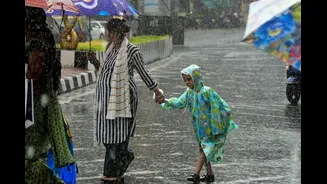
Yet, the monsoon commute also showcases a unique aspect of Mumbai's culture: a sense of shared struggle and solidarity. Strangers often help each other navigate flooded streets, share umbrellas, and offer information about delayed trains or blocked roads. There's an unspoken understanding that everyone is in the same boat—or, more accurately, the same waterlogged train compartment. This collective experience forges a temporary bond, a sense of camaraderie born from a shared adversary. The frustration is palpable, but so is the resilience. Humour becomes a vital tool, with Mumbaikars often sharing memes and jokes about their travel woes on social media, turning individual frustration into a collective, relatable experience that reinforces the city's famed spirit.
The Official Word: Alerts and Advisories
Authorities like the India Meteorological Department (IMD) and the Brihanmumbai Municipal Corporation (BMC) play a critical role. For the current season, the IMD has issued 'orange' alerts, warning of heavy to very heavy rainfall. On June 24, some parts of the city had already received over 300 mm of rainfall in a 24-hour period. The BMC has released a high tide schedule for the monsoon months, advising citizens to avoid coastlines during these periods, as heavy rain coinciding with a high tide can severely worsen flooding. Commuters are advised to follow these official updates closely, as they provide essential warnings about potential disruptions to road, rail, and air services, allowing for better planning and safer travel during adverse weather conditions.