


A New Vision for Regional Connectivity
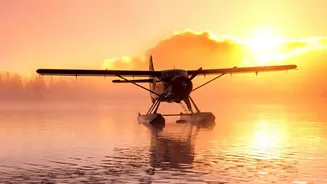
For years, the promise of seaplane travel in India felt just out of reach, with a few initial projects struggling to gain altitude. Now, a more structured and ambitious vision is taking flight, driven by government initiatives like the UDAN (Ude Desh
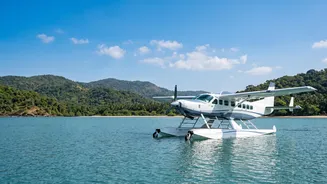
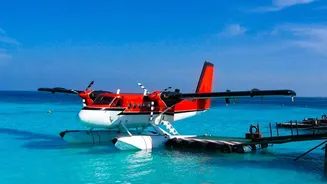
ka Aam Nagrik) regional connectivity scheme and the Sagarmala programme. The goal is simple yet transformative: use India's vast network of rivers, lakes, and coastlines as natural runways to connect remote and underserved areas. This push has paved the way for dedicated operators to enter the market. SkyHop Aviation, which received its official license in April 2026, is at the forefront, launching commercial services and conducting successful trials that signal a new era for Indian tourism.
From Himalayan Lakes to Tropical Islands
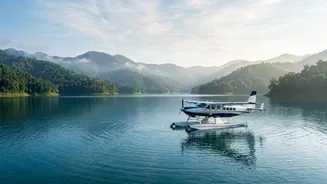
The true excitement lies in the destinations these new corridors are opening up. In Uttarakhand, a historic trial in April 2026 saw a seaplane successfully land on the pristine waters of Tehri Lake and at the Ganga Barrage in Rishikesh. This service promises to slash the travel time from Dehradun to the massive Tehri reservoir from over four hours by road to a breathtaking 25-minute flight, completely changing the game for tourism in the Himalayan state. Similarly, in the south, the remote and beautiful Lakshadweep islands are set to become far more accessible. Traditionally reliant on limited flights to Agatti followed by long boat transfers, the islands will soon see inter-island seaplane services connecting key locations like Kavaratti, Kadmat, and the mainland port of Kochi, offering tourists seamless access to these coral atolls. Meanwhile, states like Andhra Pradesh are also joining in, with plans approved for ten water aerodromes connecting religious and natural sites like Srisailam.
More Than Just A to B
The appeal of seaplane travel goes far beyond just speed and convenience. It reframes the journey itself as a core part of the adventure. Unlike commercial jets flying at high altitudes, seaplanes operate much lower, offering passengers spectacular, uninterrupted aerial views of the landscapes below. Whether it’s flying over snow-capped Himalayan peaks, turquoise lagoons in Lakshadweep, or the sprawling backwaters of Kerala, the flight becomes a scenic tour. The experience of taking off and landing on water is a unique thrill, turning a simple transfer into a memorable event. This mode of transport inherently caters to offbeat tourism, delivering travellers directly to the doorstep of eco-resorts, remote heritage sites, and natural wonders that were previously difficult and time-consuming to reach.
Boosting Local Economies and Untapped Potential
By connecting previously isolated areas, seaplanes are poised to deliver a significant economic boost to local communities. This new accessibility encourages the growth of high-value, low-impact tourism, creating opportunities for homestays, local guides, and small businesses in areas that were once bypassed. For destinations like Lakshadweep, which aim for a premium, eco-conscious tourism model, seaplanes offer the perfect solution for low-volume, high-end travel. The Indian government envisions a future with as many as 150 seaplane routes across the country. To support this growth, operators are already looking ahead. A recent partnership between SkyHop Aviation and Norwegian firm Noemi Aerospace aims to introduce a new fleet of amphibious aircraft, and even explore the potential for cleaner, electric seaplanes in the coming years.
Navigating the Challenges
Despite the immense potential, the path forward requires careful navigation. The primary concern is environmental. The shelved proposal for a water aerodrome in Odisha’s Chilika Lake serves as a critical reminder of this balance. Environmentalists and local authorities successfully argued that the noise and activity from seaplanes could disrupt the fragile ecosystem and harm the vast populations of migratory birds that flock to the brackish water lagoon. This precedent underscores the need for thorough environmental impact assessments for every proposed route, ensuring that the pursuit of tourism does not come at the cost of India's natural treasures. Harmonizing seaplane operations with existing local activities, such as fishing and boating, will also be crucial for sustainable, long-term success.