
More Than Just a Sidekick
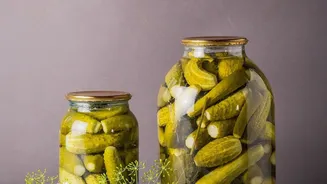
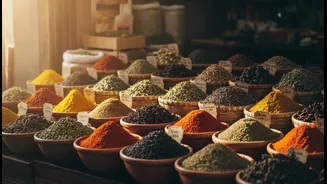
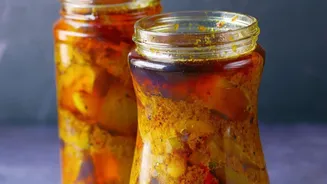
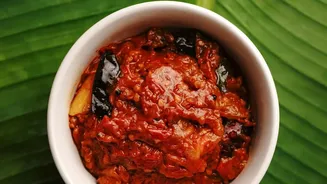
In India, pickles are far more than just a preserved food; they are a cultural touchstone. The process of making them is a ritual, often involving sun-drying fruits and vegetables and steeping them in oil and a fiercely guarded blend of spices. Every
region, and indeed every family, has its own treasured recipes, from the sweet and tangy chunda of Gujarat to the fiery avakaya of Andhra Pradesh. Historically, pickling was a practical method of preserving seasonal produce for the rest of the year, a way to ensure flavour and sustenance were always at hand. This has embedded achar deep into the nation's culinary identity, making it a source of nostalgia and comfort, forever linked to the taste of home.
The Modern Gourmet Makeover
Lately, chefs and food innovators have started to view the classic pickle not just as an accompaniment but as a powerful ingredient in its own right. They are deconstructing traditional achars to harness their core elements: acidity, spice, umami, and fermented funk. This shift is turning up in the most unexpected places. Imagine a marinade for paneer tikka made not with the usual spices, but with a yoghurt and mango pickle blend. Picture a savoury cocktail with a splash of pickle brine or a gourmet sandwich where a dollop of chilli pickle replaces mustard or mayonnaise. This evolution is driven by a growing global appetite for bold, complex flavours, and Indian pickles deliver that intensity in a single spoonful.
The Rise of Artisanal Achar
This gourmet trend is also being fuelled by a new wave of artisanal pickle brands. Moving away from mass-produced options, these small-batch producers are focusing on high-quality, locally sourced ingredients and heirloom recipes, sometimes with a modern twist. Brands like JhaJi Store, which brings authentic Bihari flavours to a wider audience, and Goosebumps, with its innovative fruit-based and fusion pickles, are repositioning achar as a premium product. They tell a story of tradition, craftsmanship, and transparency, appealing to consumers who want to know where their food comes from. These brands are making it easier for home cooks to experiment, offering products that are both authentically made and ready for creative culinary applications.
Unlocking Flavours in Your Kitchen
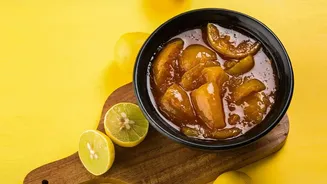
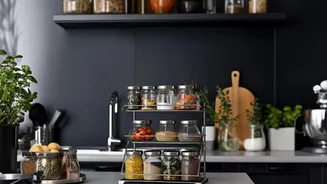
The best part of this trend is how easily it can be adopted at home. Using pickles as a cooking ingredient can transform everyday meals. The oil from a jar of garlic or chilli pickle, for instance, can be used as a finishing oil to drizzle over pasta, salads, or roasted vegetables, infusing them with instant flavour. A spoonful of tangy lemon pickle can be whisked into yoghurt to create a zesty raita or dip. You can even blend your favourite mixed vegetable pickle into a coarse paste and use it as a flavour base for a stir-fry or a marinade for grilled meats. These simple hacks allow you to introduce the complex, layered flavours of Indian pickles into a wide range of dishes, well beyond the traditional thali.