




What Exactly Is Your Skin Barrier?
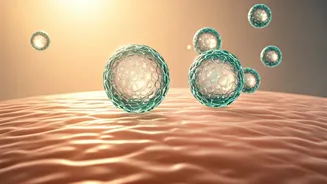
Think of your skin barrier as a security guard for your face. Known scientifically as the stratum corneum, it's the outermost layer of your skin. It has two crucial jobs: to keep essential moisture and nutrients locked in, and to keep harmful pollutants,
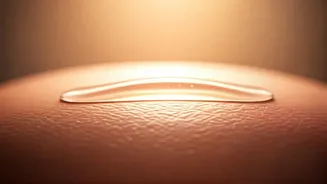
bacteria, and irritants out. This protective layer is made of skin cells (the 'bricks') held together by a lipid mixture (the 'mortar') composed of ceramides, cholesterol, and fatty acids. When this 'wall' is strong and healthy, your skin looks and feels calm, hydrated, and resilient.
Signs of a Damaged Barrier
How do you know if your skin's security guard has been compromised? The signs are often hard to ignore. Common symptoms include persistent dryness, tightness, or a flaky texture, even right after you've moisturised. You might also experience increased sensitivity, where products you once loved now cause stinging or burning. Other tell-tale signs are sudden redness, itchiness, inflammation, and even an unexpected increase in breakouts. If your skin constantly feels uncomfortable or reactive, it's likely a cry for help from your damaged barrier.
What Causes the Damage?
Often, the culprit behind a damaged barrier is a well-intentioned but overly aggressive skincare routine. Over-exfoliating with harsh scrubs or using too many active ingredients like retinoids and acids can strip away the protective lipids that hold your barrier together. Harsh cleansers, very hot showers, and environmental stressors like pollution, sun exposure, and dry or cold air also play a significant role. This damage weakens the barrier, allowing moisture to escape and irritants to get in, creating a cycle of irritation.
Your Barrier Repair Toolkit
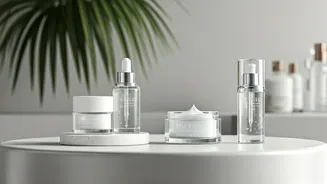
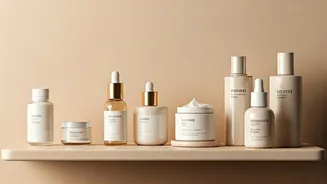
Healing your skin barrier is about going back to basics and using ingredients that replenish what's been lost. The cornerstones of barrier repair are ceramides, cholesterol, and fatty acids, which are the natural components of the barrier itself. Look for moisturisers that contain ceramides, which make up about 50% of the skin's lipid layer and are crucial for locking in moisture. Niacinamide (Vitamin B3) is another hero ingredient, known for its ability to calm inflammation and boost the skin's natural production of ceramides. Finally, humectants like hyaluronic acid and glycerin are excellent for drawing moisture into the skin, while occlusives like shea butter can help seal it all in.
A Simple Barrier-First Routine
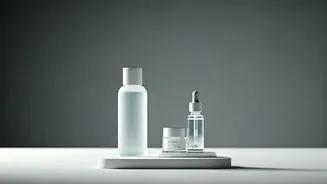
Repairing your barrier requires a 'less is more' philosophy. Start by simplifying your routine and giving your skin a break from all potent active ingredients like exfoliants and retinoids. For a few weeks, stick to a three-step routine: cleanse, moisturise, and protect. Use a gentle, pH-balanced, fragrance-free cleanser with lukewarm water. While your skin is still damp, apply a hydrating serum with niacinamide or hyaluronic acid. Follow up with a rich moisturiser packed with ceramides to lock everything in. In the morning, the most critical final step is a broad-spectrum sunscreen with at least SPF 30 to protect your healing skin from further damage.