






The Geography of 'Food Deserts'
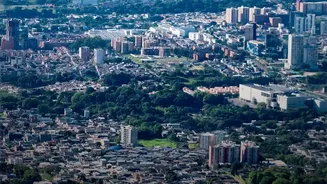
The term 'food desert' often conjures images of barren, rural landscapes. In urban India, however, it describes a more subtle but equally challenging reality. These are not areas with a complete absence of food, but rather neighbourhoods where fresh,
nutritious, and affordable options are scarce. Instead, these localities are often saturated with small shops stocking highly processed, packaged goods with long shelf lives. While street vendors and corner stores are plentiful, they may not offer the diversity of healthy foods needed for a balanced diet. This gap in urban planning means that for millions, proximity to food does not equal access to nutrition, creating a phenomenon of 'hidden hunger' where calories are consumed but essential nutrients are missed.
The Income and Price Barrier
Income is the most significant gatekeeper to a healthy diet. For low-income urban households, every rupee is accounted for, and food purchasing becomes a complex calculation of cost versus nutritional value. Rising food prices hit the urban poor the hardest, as they often spend a larger portion of their disposable income on food. This economic pressure forces families to choose cheaper, energy-dense but nutrient-poor foods. Fresh fruits, vegetables, and quality proteins become luxuries when subsidised grains and processed snacks offer a more affordable way to feel full. Studies show that lower-income households consume inadequate and nutrient-poor diets due to a lack of dietary diversity, directly impacting their health and well-being. As income rises, the proportion of the budget spent on food decreases, but the quality and variety of food consumed increases significantly.
The Daily Burden of Travel
Beyond affordability, travel time and cost present a formidable barrier. In affluent neighbourhoods, well-stocked supermarkets and speciality stores are often a short drive or walk away. However, in many low-income and peripheral areas, accessing a market with a wide variety of fresh produce can require a significant investment of time and money. Poor public transport links and the cost of rickshaws or buses to get to larger markets can deter daily or even weekly trips. This forces residents to rely on whatever is available locally, which is often limited and more expensive. For households with tight schedules, long work hours, and limited mobility, the 'time cost' of sourcing nutritious food is simply too high, reinforcing a reliance on convenient, less healthy alternatives.
The Dual Crisis of Malnutrition
This unequal access creates a severe public health crisis known as the 'double burden of malnutrition'. In the same communities, and sometimes within the same households, undernutrition and obesity exist side-by-side. Children and adults may be underweight and deficient in essential micronutrients while also consuming high-calorie, processed foods that lead to overweight and obesity. A recent study in a low-income urban community in Vellore, for instance, found that while thinness remained common among children, the prevalence of overweight and obesity nearly tripled between the ages of seven and nine. This leads to a higher risk of lifestyle diseases like diabetes, heart disease, and high blood pressure, worsening health disparities that are already starkly divided along economic lines.