





The Craving Arrives with the Clouds
There's a certain magic to the Indian monsoon that goes beyond the romanticised imagery. It’s a sensory experience that dictates a change in lifestyle and, most importantly, in diet. The drop in temperature and the damp, cosy weather trigger a collective
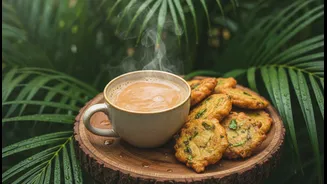
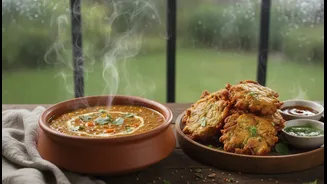
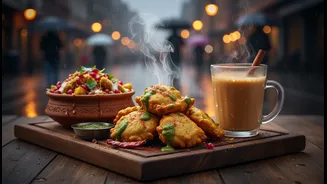
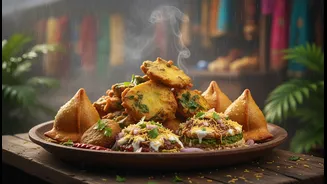
desire for food that is hot, spicy, and deeply comforting. This is the season of the pakora, the crispy, deep-fried fritter that becomes a national obsession. Whether it's made with onion, potato, or paneer, this simple snack, paired with a steaming cup of masala chai, is a ritual in countless homes and roadside stalls, a shared moment of joy against the backdrop of falling rain. This craving for warmth and comfort is the very foundation of the monsoon food phenomenon.
From Humble Stalls to Five-Star Feasts
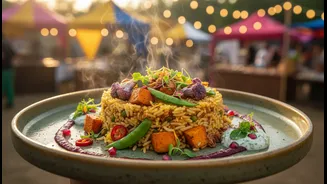
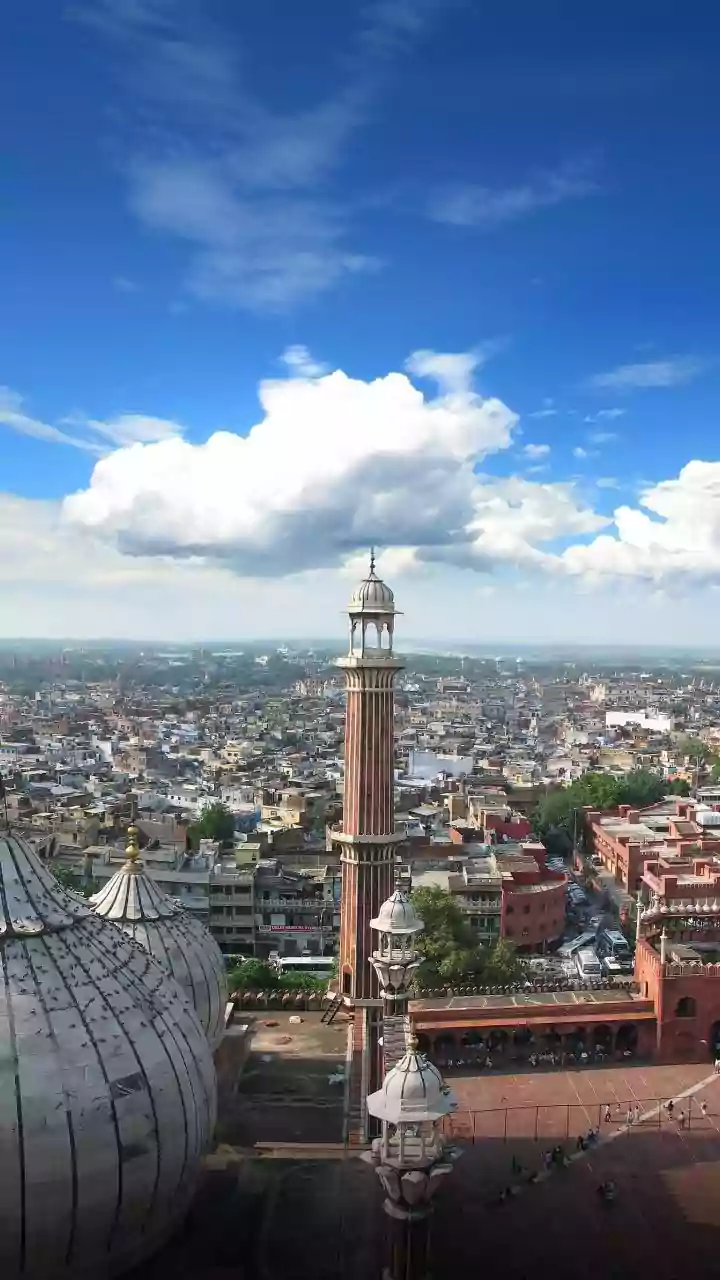
While the heart of monsoon food culture lies in traditional home cooking and street food, the concept has blossomed into a full-fledged culinary event. Restaurants and luxury hotels across the country have embraced the season, curating special menus and hosting elaborate food festivals. These events are no longer just about replicating street food classics, but elevating them. Chefs are creating innovative dishes inspired by the rain, from gourmet versions of vada pav and samosa chaat to complex regional curries that are traditionally enjoyed during this time. Establishments in cities like Mumbai, Delhi, and Bengaluru now feature 'Monsoon Express' menus and street food festivals, transforming the simple act of enjoying a rainy-day snack into a sophisticated dining experience.
A Menu Inspired by the Rains
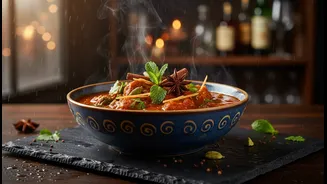
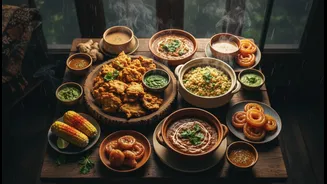
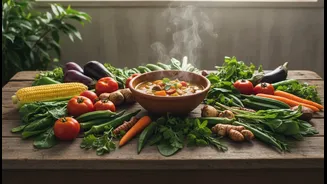
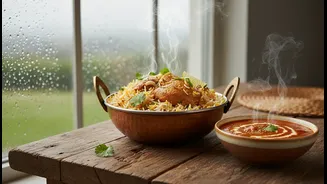
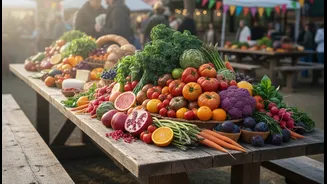
The monsoon menu is a diverse and flavourful affair. Fried foods reign supreme, from the iconic samosa with its spiced potato filling to Rajasthani pyaj kachori and North Indian chole bhature. But it's not all about deep-frying. The season also brings an abundance of fresh, unique produce. Foraged foods like wild greens and fiddlehead ferns find their way into kitchens, especially in hilly regions. In Kerala, the season is marked by medicinal rice gruels like Karakadaka Kanji, designed to boost immunity. West Bengal celebrates with khichuri, a flavourful rice and lentil dish, while sweet treats like the syrupy jalebi and Rajasthani ghewar provide a sweet counterpoint to the savoury snacks.
More Than Just a Meal
These seasonal food traditions are about much more than just satisfying a craving. They are an integral part of India's cultural fabric, deeply connected to wellness, tradition, and community. According to ancient food wisdom, the monsoon is a time when digestion can be sluggish, and the body is more susceptible to illness. Many traditional monsoon recipes incorporate spices like ginger, turmeric, and black pepper, which are believed to have antibacterial properties and aid digestion. These food festivals and seasonal menus are a celebration of this heritage, a way to connect with the land, the weather, and each other. Sharing a plate of hot snacks during a downpour is a cherished social ritual, turning ordinary evenings into memorable experiences.
Finding Your Monsoon Feast
Embracing India's rainy treat is an adventure in itself. During the monsoon months, typically from June to September, keep an eye on local restaurant listings and food blogs in major cities. Hotels often advertise special monsoon brunches and street food festivals with themes celebrating different regions of India. From pop-up stalls at luxury hotels offering stunning sea views to cosy cafes with limited-edition menus featuring bun maska and filter coffee, there is an experience for every palate and budget. Whether it’s a high-end culinary showcase or a simple plate of roasted corn from a street vendor, the monsoon offers a unique opportunity to explore the incredible diversity of Indian cuisine.