




Step 1: Choose the Right Location
The first step is to designate a specific area for drying. This isn't about finding any random corner, but selecting a spot with the best possible conditions. Ideally, choose a spare room, a less-used corner of a larger room, or a covered balcony. Avoid
high-moisture zones like the kitchen or a poorly ventilated bathroom. The goal is to create a contained space where you can control the environment. If you have a spare room, you can close the door to concentrate the drying effort and prevent moisture from spreading throughout your home. Even a small, dedicated section of your bedroom can work if it has good airflow.
Step 2: Maximise Air Circulation
Stagnant air is the biggest enemy of drying clothes. Moisture from wet laundry needs to be carried away, and that requires moving air. The simplest way to achieve this is with a fan. Position a pedestal or ceiling fan to blow air directly across the clothes on the rack. This simple action can dramatically speed up the evaporation process. If the rain has stopped, even temporarily, open a window to create cross-ventilation. Running an exhaust fan in a nearby kitchen or bathroom can also help pull moist air out of the home. The key is to keep the air around your clothes from becoming saturated with humidity.
Step 3: Invest in the Right Drying Rack
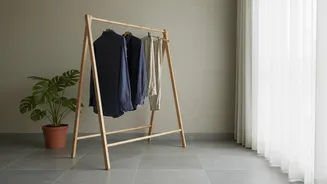
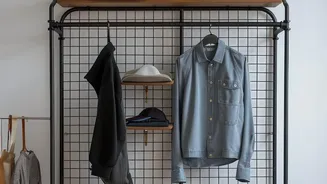
The right equipment makes all the difference. Your choice of drying rack depends on your available space. For most flats, a stainless-steel, floor-standing winged rack is a versatile choice that holds a full load and can be folded away. If floor space is tight, consider a wall-mounted folding rack for a balcony or a ceiling-mounted pulley system, which lifts clothes up and out of the way. For smaller items like socks and delicates, a compact tripod or bucket rack can be very useful. Whatever you choose, ensure it's made of rust-resistant material like stainless steel or has a protective powder coating to avoid stains on your clothes.
Step 4: Prepare Your Laundry Properly
The drying process begins in the washing machine. Use the highest spin cycle your machine offers—running an extra spin cycle can remove a significant amount of excess water before you even hang the clothes. This single step can drastically cut down indoor drying time. Also, avoid overloading your washing machine; cramming it too full prevents clothes from rinsing properly, which can leave detergent residue that traps moisture and causes odours. When you take clothes out, give each item a good shake to untangle it and help it hang flat, which aids in quicker drying.
Step 5: Give Your Clothes Space to Breathe
One of the most common mistakes is overcrowding the drying rack. When clothes touch, the fabric can't release moisture effectively. Ensure you leave a gap of at least a few inches between each garment. Instead of folding thick items like jeans over a rod, hang them from the waistband using clips. For shirts and kurtas, using hangers is far more effective as it exposes both the front and back surfaces to the air. A good rule of thumb is to hang thicker, heavier items on the outer edges of the rack and lighter, quicker-drying items in the middle.
Step 6: Banish Odours and Absorb Moisture
Even with the best setup, high humidity can cause a musty smell. The odour is caused by bacteria and mildew that grow on fabric that stays damp for too long. To combat this, you can use a fabric conditioner with antibacterial properties in your wash. Adding half a cup of white vinegar to the rinse cycle also works wonders; it's a natural disinfectant that neutralises odours without leaving a vinegar smell. To tackle ambient moisture, place bowls of rock salt, baking soda, or charcoal briquettes near your drying rack to naturally absorb humidity from the air.
Step 7: Supercharge Your Drying with a Dehumidifier
For those living in extremely humid cities like Mumbai or Kolkata, a dehumidifier can be a game-changer. A dehumidifier works by actively pulling moisture out of the air, creating a much drier environment that allows clothes to release their moisture rapidly. Placing a dehumidifier in your closed-off drying zone can reduce drying time from over 12 hours to just a few hours. Running an air conditioner in the room has a similar, though less targeted, effect, as ACs also remove moisture from the air as they cool it. This is the most effective way to guarantee dry, fresh clothes throughout the monsoon.