



Understanding GRAP Stage 1
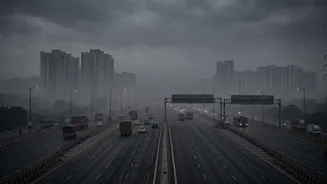
The Graded Response Action Plan, or GRAP, is a set of emergency measures that activate as air quality worsens. Stage 1 is triggered when the Air Quality Index (AQI) enters the 'Poor' category, which is between 201 and 300. On October 21, Delhi's AQI rose
to 244, prompting the Commission for Air Quality Management (CAQM) to implement these initial curbs across the region to prevent further deterioration. The goal is to tackle pollution at its source before the air becomes more hazardous.
Impact on Construction and Demolition
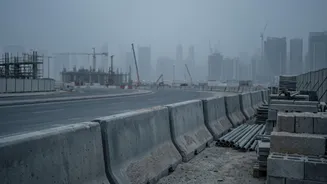
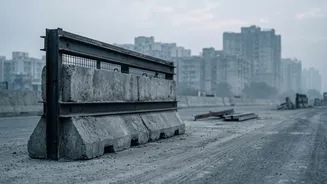
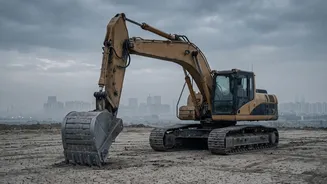
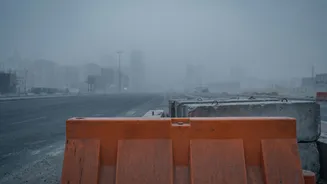
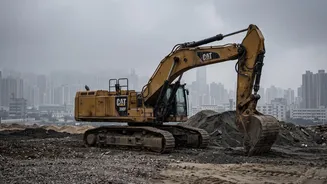
One of the most visible effects of Stage 1 is the increased scrutiny on construction and demolition activities. All sites are now required to strictly enforce dust control measures. This includes installing screens, regularly sprinkling water to suppress dust, and keeping construction materials covered. For larger projects, specifically those over 500 square metres, work is not permitted without a pre-approved dust management plan. While not a blanket ban, this enforcement means builders must be more diligent, potentially slowing down some project timelines but reducing a major source of particulate matter pollution.
Changes for Commuters and Vehicle Owners
For residents who drive, Stage 1 brings a renewed focus on vehicle emissions. Authorities will be strictly enforcing rules for Pollution Under Control (PUC) certificates. Expect more checks on the road, with penalties for visibly polluting vehicles, which could even be impounded. The existing ban on older vehicles—diesel vehicles over 10 years and petrol ones over 15—will also be more rigorously enforced. While major restrictions like the odd-even scheme are not part of Stage 1, traffic police may be deployed to manage congestion and encourage drivers to turn off engines at red lights.
Crackdown on Open Burning and Industrial Fuels
A strict ban on the open burning of all waste—including garbage, leaves, and other materials—is a key component of Stage 1. This directly affects local municipalities and residents, who are urged to report any such incidents. Additionally, there are new rules for some businesses. The use of coal and firewood in tandoors at hotels, restaurants, and roadside eateries is now prohibited. These establishments must switch to cleaner alternatives like electricity or gas. Use of diesel generator sets is also restricted, permitted only for essential or emergency services.
What Can Residents Do?
While most GRAP measures are enforced by government agencies, there is a role for citizens to play. The CAQM urges residents to follow the citizen charter, which includes simple but effective steps. Ensure your vehicle's PUC certificate is up to date to avoid fines. Report instances of open waste burning or visible pollution from construction sites through official channels. Minimising the use of private vehicles can also contribute to the collective effort. These early, preventative measures are crucial, as public cooperation can help prevent the air quality from deteriorating to 'Severe' levels, which would trigger much stricter and more disruptive restrictions.