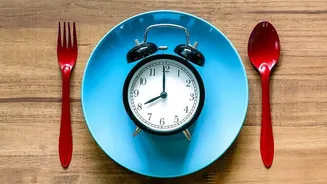








The Challenge of Working Night Shift
Shift work is an essential part of our 24/7 society, but it comes with a unique set of health challenges. Working overnight and sleeping during the day directly opposes the body's natural internal clock, known as the circadian rhythm. This disruption,
or circadian misalignment, is linked to a higher risk of developing chronic conditions like diabetes, heart disease, and obesity. Many shift workers experience digestive distress, including bloating, gas, heartburn, and constipation. This isn't a personal failing but a biological response to a schedule that asks the body to be active and digest food when it's naturally programmed to rest and repair.
Understanding Your Body's Clock
Your circadian rhythm is more than just a sleep-wake cycle; it's a master conductor for nearly all of your body's functions. Governed by a master clock in the brain that responds to light, it tells your organs when to be active. During the day, your digestive system is primed and ready, efficiently producing enzymes and managing blood sugar. At night, as your body prepares for sleep, these processes naturally slow down. Eating a large meal at 2 a.m. is like asking an orchestra to play a symphony when it has already packed up its instruments. The result is often poor digestion and metabolic stress.
Why Nighttime Eating Disrupts Digestion
When you eat during the night, you're sending food into a system that is largely offline. This can lead to a number of issues. Research shows that eating at night impairs the body's ability to process glucose, leading to higher blood sugar levels. In one study, simply moving meals to the nighttime during a simulated night shift schedule caused glucose levels to spike by over 6%. This misalignment increases the risk for metabolic syndrome and type 2 diabetes. Furthermore, the digestive tract's slower motility at night means food sits longer, which can contribute to uncomfortable symptoms like acid reflux, bloating, and indigestion.
The Power of Eating in Daylight
The emerging field of chrononutrition suggests a powerful strategy: align your eating schedule with daylight hours as much as possible, even if your work schedule is nocturnal. Studies have found that when shift workers consume their meals only during the daytime, many of the negative metabolic effects, such as high blood sugar, are prevented. This approach works by synchronizing your organ's peripheral clocks with your brain's master clock, reducing the internal chaos caused by eating at biologically inappropriate times. Consuming your main meal before your night shift begins, rather than in the middle of it, allows your body to digest more efficiently when it's prepared to do so.
A Practical Eating Guide for Shift Workers
Adopting a circadian-aligned eating pattern doesn't have to be complicated. The goal is to front-load your nutrition into the daylight hours. Have your largest, most balanced meal before you go to work, focusing on protein, fibre, and healthy fats to stay full. If you must eat during your shift, opt for smaller, easily digestible snacks rather than a heavy meal. Good options include Greek yogurt, boiled eggs, a small protein smoothie, or a handful of nuts. After your shift, a light snack like a bowl of wholegrain cereal or toast before you sleep can prevent you from waking up hungry without overburdening your system. Staying hydrated with water is also crucial, as dehydration can increase fatigue.
Beyond Food: Other Ways to Help
While meal timing is a critical piece of the puzzle, it works best in concert with other healthy habits. Protecting your sleep is paramount. Create a cool, dark, and quiet environment to ensure you get the most restorative rest possible. Managing light exposure is also key; try to get some sun exposure during the day and minimize bright blue light in the hours before you sleep. Gentle exercise, even a short walk during a break, can also aid digestion and boost your mood and energy levels. These strategies, combined with mindful eating, can help mitigate the physiological stress of working against your body's natural rhythm.