



The Science of 'Black Gold'
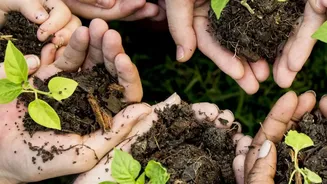
Compost is simply decomposed organic material. When things like fruit peels, vegetable scraps, and eggshells break down, they transform into a rich, soil-like substance packed with nutrients. This process is driven by billions of microorganisms, like bacteria
and fungi, that work to break down your waste. Adding this finished compost to your garden improves soil structure, helps it retain water, and reduces the need for chemical fertilisers, creating a healthier environment for your plants to flourish.
A Balanced Diet for Your Compost
A healthy compost pile requires a balanced diet of two types of materials: 'greens' and 'browns'. This isn't about colour, but about what they contribute. 'Greens' are rich in nitrogen, which fuels the microorganisms and heats up the pile for faster decomposition. 'Browns' are rich in carbon, which provides energy for those same microbes and adds bulk and structure to your compost, preventing it from becoming a slimy, smelly mess. The general rule of thumb is to aim for a mix of roughly two to three parts brown materials for every one part green material.
Kitchen All-Stars: The 'Greens'
Your kitchen is a treasure trove of nitrogen-rich 'green' materials. This category includes most of your daily food waste. Fruit and vegetable scraps like peels, cores, and trimmings are perfect additions. Crushed eggshells contribute valuable calcium. Even old bread, tea bags (without staples), and spoiled leftovers (that aren't meat or dairy) can be tossed in. These items provide the essential nitrogen that gets the decomposition process started.
Coffee Grounds: The Ultimate Compost Ingredient
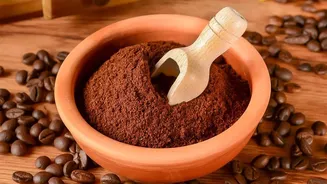
Don't let the colour fool you; used coffee grounds are firmly in the 'green' category. They are an excellent source of nitrogen, with a nearly ideal carbon-to-nitrogen ratio that accelerates decomposition. Adding coffee grounds helps sustain high temperatures in a compost pile, which is crucial for breaking down materials efficiently. Unlike fresh grounds which are acidic, used grounds are pH neutral, so you don't have to worry about making your soil too acidic. They also improve soil structure and can even help deter common garden pests like slugs and snails. Many local coffee shops are happy to give away their used grounds for free, making it a cost-effective and sustainable choice.
The 'Do Not Add' List
Just as important as knowing what to add is knowing what to leave out. Certain items can cause foul odours, attract rodents and other pests, or introduce harmful pathogens to your finished compost. The main culprits to avoid are meat, fish, bones, fats, oils, and dairy products. Also, keep pet waste like dog faeces or cat litter out of the pile, as they can contain diseases. Finally, avoid adding any plants that were diseased, as the composting process might not get hot enough to kill the pathogens, which could then spread to your garden.
Getting Started Is Easy
You don't need a huge yard to start composting. You can use a dedicated compost bin, a tumbler, or even make your own composter from a large plastic bin with holes drilled for aeration. Choose a shady spot for your pile or bin. Start with a layer of 'browns' like shredded newspaper or dry leaves, then add a layer of 'greens' from your kitchen. Continue alternating layers, making sure to cover fresh food scraps with a layer of browns to avoid pests. Keep the pile as moist as a wrung-out sponge, and turn it every week or two to introduce oxygen, which helps the microbes do their work.