


Why Steamed is Supreme
Before we dive into the delicious options, let's talk about why steaming is the unsung hero of rainy-day cooking. Unlike deep-frying, which submerges food in hot oil, steaming uses the gentle power of hot vapour. This method locks in more of the food's
natural nutrients, colours, and flavours. It requires little to no oil, making the final dish significantly lighter and easier on the digestive system. During the monsoon, when our metabolism can be a bit sluggish, choosing easily digestible foods is a smart move that traditional wisdom has long advocated. Steamed snacks offer all the comfort and warmth you crave, without the post-snack sluggishness.
The Gujarati Cloud: Dhokla
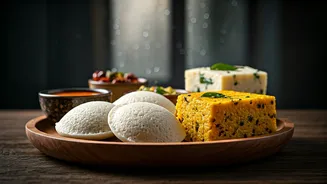
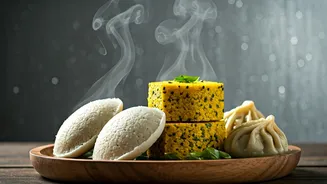
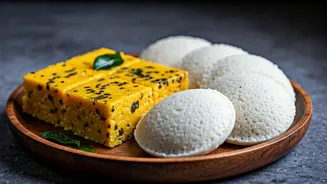
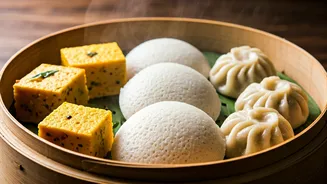
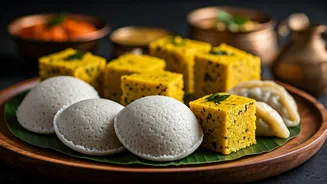
Imagine a snack as light and fluffy as a cloud. That’s Khaman Dhokla for you. This iconic Gujarati snack is made from a fermented batter of gram flour (besan), which is steamed to perfection. The result is a spongy, porous cake that soaks up the delightful tempering of mustard seeds, curry leaves, and green chillies poured over it. It’s savoury, slightly tangy, and wonderfully light. Often garnished with fresh coriander and grated coconut, dhokla is a masterclass in balanced flavours. It delivers a satisfying punch of taste without weighing you down, making it an ideal companion for a cup of hot chai on a rainy afternoon.
The South Indian Staple: Idli
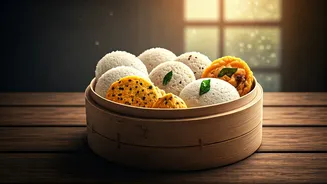
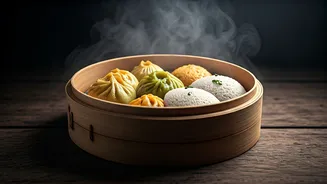
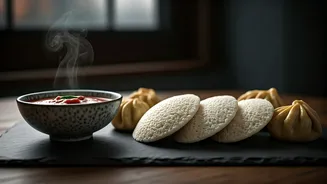
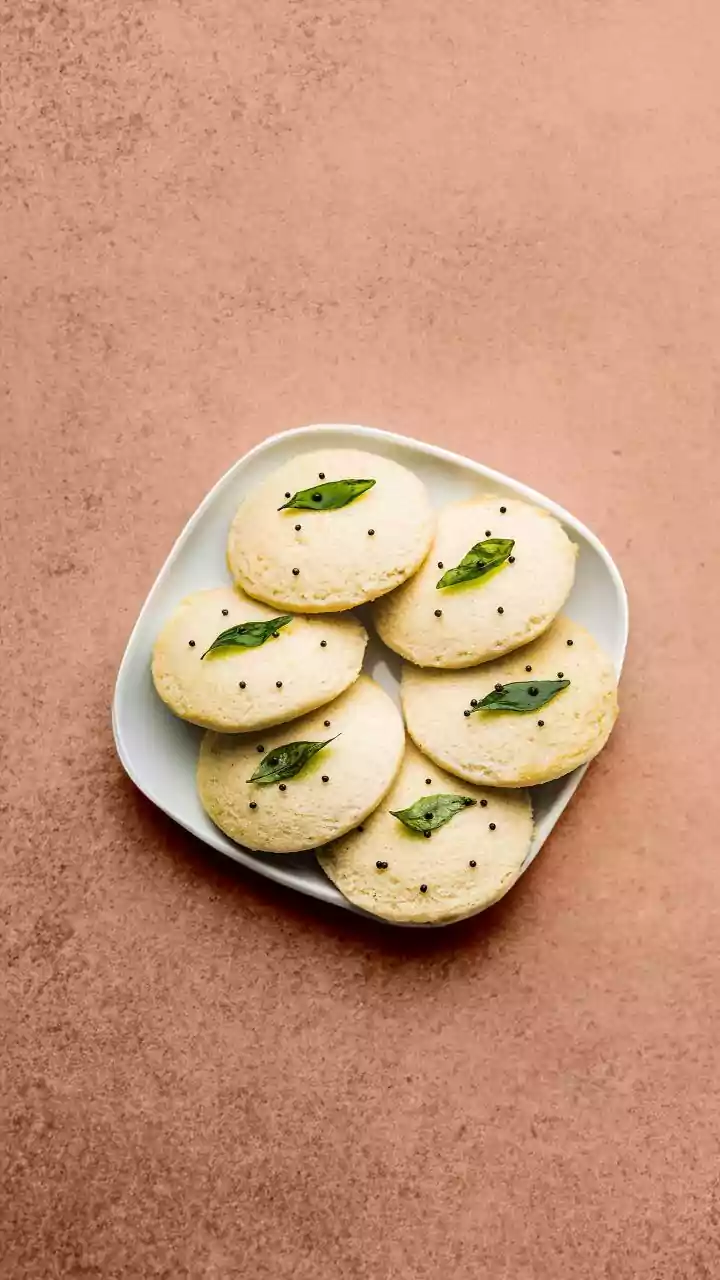
Don’t relegate idli to the breakfast table. These soft, pillowy steamed rice cakes are a fantastic all-day snack, especially during the monsoon. Made from a fermented batter of rice and urad dal, idlis are not only light but also great for gut health. While a classic idli with sambar and chutney is always a winner, the rainy season calls for a spicier version. Try ‘podi idli,’ where mini idlis are tossed in a coarse, flavourful powder of roasted lentils and spices, or ‘fried idli,’ which are first steamed and then lightly sautéed with onions and spices for a crispy exterior. They are wholesome, comforting, and endlessly versatile.
The Himalayan Hug: Momos
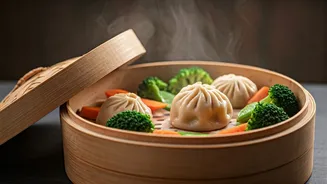
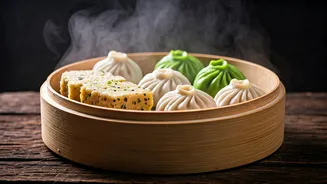
Is there a more iconic rainy-day food than a plate of hot momos? These steamed dumplings, with their origins in the Himalayas, have become a nationwide sensation for a reason. A delicate wrapper encases a flavourful filling—be it minced vegetables, paneer, chicken, or soya. When steamed, the wrapper becomes tender and translucent, and the filling cooks in its own juices, creating a burst of flavour with every bite. Paired with a fiery red chutney and a clear, warm soup, momos feel like a warm hug from the inside. They are the perfect antidote to the monsoon chill.
The West Coast Roll: Patra
Here's a culinary gem from the western coast of India. Patra, also known as Alu Vadi, is made from colocasia (arbi) leaves smeared with a spiced gram flour paste, rolled into logs, and then steamed. The steaming process cooks the leaves and the paste together, creating a firm, flavourful roll. These rolls are then sliced into thick pinwheels. While some like to shallow fry them for a crispy edge, the steamed version is delicious in its own right—a complex and delightful blend of sweet, spicy, and tangy notes. It's a testament to how simple ingredients can be transformed into something extraordinary with the right technique.
The Eastern Delight: Pitha
In Eastern India, the monsoon is often celebrated with Pitha, a diverse category of rice cakes that can be sweet or savoury. A popular steamed variety is the Bhapa Pitha from Bengal and Assam. Made from freshly ground rice flour, these pithas are stuffed with a delicious mixture of grated coconut and jaggery (or date palm jaggery in winter). They are then steamed, often in special moulds, until they are soft and fragrant. The subtle sweetness of the rice and the rich, earthy flavour of the jaggery and coconut filling make it a soul-satisfying treat that’s perfect for a cosy evening indoors.