






A Sky-High Ambition
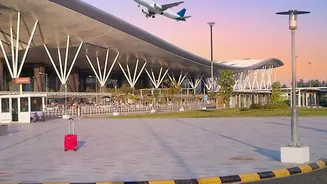
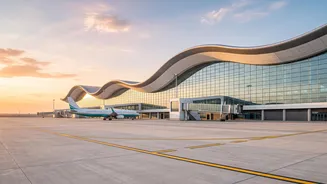
The government has announced an ambitious plan to build 100 new airports over the next ten years, backed by an investment of approximately ₹30,000 crore. This initiative is part of the modified UDAN (Ude Desh ka Aam Nagrik) scheme, which aims to enhance
regional connectivity and make air travel more accessible. The country's aviation network has already seen significant growth, expanding from 74 airports in 2014 to 166 today. This new phase of expansion focuses on taking air travel beyond the major metropolitan hubs and into Tier-2, Tier-3 cities, and even remote regions, answering a growing demand for connectivity from all corners of India.
The End of the Endless Queue?
For the frequent flyer, the most immediate change will be a smoother, faster journey through the terminal. The expansion of the DigiYatra facial recognition system is a key part of this. By using biometrics, DigiYatra allows for paperless, contactless travel, turning your face into your boarding pass. This dramatically cuts down processing times at entry, security, and boarding gates. With DigiYatra currently active at 38 airports and set to expand to 27 more, the familiar sight of long queues could become a thing of the past, making the entire airport experience far more efficient for business and leisure travellers alike.
New Horizons for Weekend Getaways
The UDAN scheme is a game-changer for domestic tourism. By connecting previously unserved or underserved airstrips, it opens up a host of new destinations that were once difficult to reach for a short weekend trip. Instead of long road or train journeys, travellers will be able to fly directly to smaller towns and scenic locations. This not only makes spontaneous getaways more feasible but also promises to boost local economies in these newly connected areas by driving tourism, hospitality, and related businesses. Imagine flying to a remote Himalayan town or a quiet coastal spot for the weekend with ease.
Making Business Travel More Efficient
For corporate India, time is money, and this airport expansion directly addresses that. Increased connectivity between non-metro cities means fewer multi-leg journeys and overnight stays. A business traveller might soon be able to fly directly from one Tier-2 city to another for a meeting and return the same day, a journey that was previously impractical. Furthermore, the introduction of a 'hub-and-spoke' model at airports like Ahmedabad aims to streamline international travel for those based outside major hubs like Delhi and Mumbai. This system allows passengers to clear immigration and customs at their regional airport before a seamless transfer to an international flight, saving significant time and hassle.
The Wider Economic Ripple Effect
The impact of building a new airport extends far beyond the runway. These projects act as powerful economic engines for their regions. The construction and operation of an airport create thousands of direct and indirect jobs—from airline crew and ground staff to roles in hospitality, logistics, and retail. This influx of activity often leads to a boom in local real estate, with property values rising as infrastructure and connectivity improve. Essentially, a new airport can anchor the development of an entire 'aerotropolis' or airport city, attracting corporate investment and transforming the economic landscape of the surrounding area.