


The Monsoon Craving Conundrum
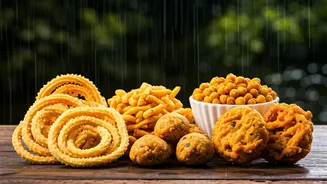
As the first drops of rain hit the ground, a collective craving for something hot, spicy, and fried sweeps across the nation. Pakoras, bhajjis, and of course, the king of them all—the samosa—become staples. These foods are deeply woven into our culture
of comfort and celebration, especially during the gloomy, grey days of the monsoon. They offer warmth, crunch, and an explosion of flavour that perfectly complements the weather. However, this deep-fried indulgence often comes with a side of guilt, heaviness, and a host of health concerns. The high oil content can lead to indigestion, lethargy, and over time, contribute to unwanted weight gain and other health issues.
Enter the Baked Samosa
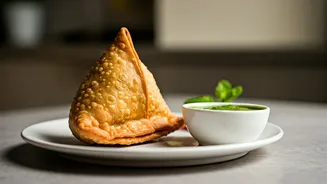
Here’s where the humble baked samosa comes to the rescue. It’s the perfect hero for a healthier monsoon, offering that same satisfying crunch and delicious filling without being submerged in oil. By swapping deep-frying for baking, you drastically reduce the calorie and fat content. The result is a snack that’s lighter on your stomach and your conscience. You get the crisp, golden-brown pastry and the flavour-packed potato-and-pea filling you love, but in a form that aligns with a more mindful approach to eating. It’s not about deprivation; it’s about a smart, delicious evolution of a classic.
How to Bake the Perfect Samosa
The magic of a great baked samosa lies in technique. First, the filling. Ensure your potato filling is flavourful but relatively dry. Excess moisture can make the pastry soggy. Spice it generously with cumin, coriander, garam masala, and amchur for that classic tangy kick. For the pastry, you can use a standard maida-based dough, but adding a bit of whole wheat flour (atta) can increase its nutritional value. The key is to knead a firm dough. When shaping, roll the pastry thin and seal the edges securely to prevent the filling from leaking. Before baking, lightly brush each samosa with a thin layer of oil or melted ghee. This is crucial for achieving a golden, crispy crust. Bake in a preheated oven at around 200°C (400°F) for 20-25 minutes, flipping them halfway through, until they are golden and crisp.
Beyond the Samosa: More Healthy Ideas
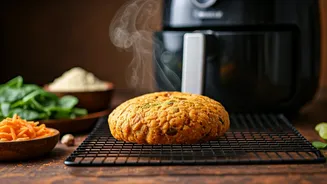
Once you’ve mastered the baked samosa, you can apply the same principle to a world of other monsoon favourites. The oven and the air fryer are your best friends for recreating classic snacks in a healthier way. This approach allows you to enjoy a variety of treats throughout the season without relying on the kadhai.
Baked Pakoras and Bhajjis
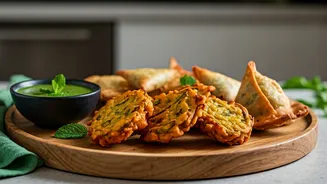
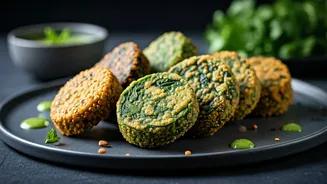
Yes, you can bake your pakoras! Prepare your favourite besan batter with sliced onions, spinach, or mixed vegetables. Instead of dropping spoonfuls into hot oil, arrange them on a baking sheet lined with parchment paper. Spray or brush them lightly with oil and bake in a hot oven until crisp and cooked through. An air fryer works exceptionally well for this, delivering a satisfying crunch with minimal oil.
Steamed and Roasted Delights
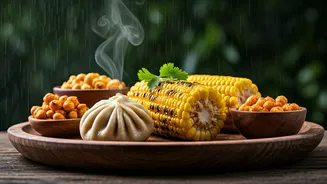
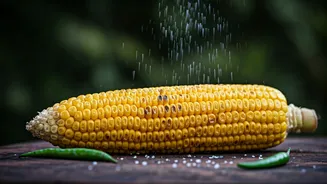
Not everything needs to mimic a fried texture. The monsoon is also the perfect time for steamed corn on the cob (bhutta), seasoned with lemon juice, salt, and red chilli powder. Steamed momos with a spicy dipping sauce are another excellent, oil-free option. You can also roast vegetables like sweet potatoes (shakarkandi) and broccoli, toss them with spices, and serve them hot. A simple shakarkandi chaat, made from boiled and cubed sweet potato mixed with chaat masala, onions, and chutney, is both delicious and incredibly nutritious.