







The Kitchen Secret for Lush Gardens
In many Indian households, the milky water left after washing rice is a daily occurrence. We typically discard it without a second thought. However, this humble byproduct is a treasure trove for garden enthusiasts. Using leftover rice water, or 'chawal
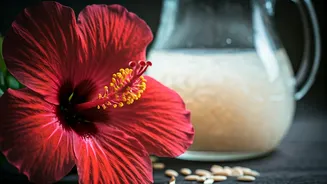
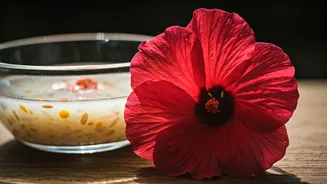
ka paani', is an age-old, zero-cost, and wonderfully sustainable practice to give your plants, especially the beloved Gudhal (Hibiscus), a gentle nutritional boost. It connects your kitchen directly to the health of your garden, turning everyday waste into a valuable resource that helps your plants thrive without relying on chemical fertilisers.
Why This Simple Tonic Works
The magic of rice water lies in its composition. While it’s not a powerhouse fertiliser, it acts as a mild, natural tonic. The water contains starch, which provides energy not directly to the plant, but to the beneficial microorganisms in the soil. These microbes, in turn, improve soil structure and help make nutrients more available to the plant's roots. Furthermore, rice water contains trace amounts of essential minerals like nitrogen, phosphorus, and potassium (N-P-K), along with other micronutrients like calcium and magnesium. This gentle feed is perfect for flowering plants like hibiscus, which appreciate consistent, mild nourishment rather than sudden, harsh chemical shocks.
Your Simple ‘Recipe’ for Success
Preparing this garden-friendly tonic is incredibly easy. The best rice water to use is from the first or second rinse of uncooked rice. Simply collect this cloudy water in a clean container. The most important rule is to use water from rinsing plain, uncooked rice only—never use water from cooked rice, and especially not if it has been salted. For immediate use, dilute this collected rice water with an equal amount of plain water (a 1:1 ratio is a great starting point). This dilution prevents the starchy liquid from becoming too thick, which could otherwise create a crust on the soil or attract pests. It ensures the nutrients are delivered in a form the soil can easily absorb.
How to Feed Your Hibiscus
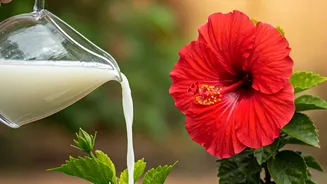
Once your diluted rice water is ready, application is straightforward. Use it to water your hibiscus plant at the base, directly onto the soil. Avoid pouring it over the leaves, as the moisture and starch can encourage fungal growth. How often should you do this? During the peak growing and flowering season (usually the warmer, sunnier months), you can use diluted rice water once a week or once every two weeks in place of a regular watering. For a medium-sized pot, around 500 ml to 1 litre of the diluted solution is sufficient. The key is consistency. While the headline promises a 'fast' boost, in gardening, 'fast' means encouraging a natural process. Regular application will lead to healthier foliage and more frequent, vibrant blooms over a few weeks.
Common Mistakes to Avoid
While this is a gentle method, there are a few pitfalls to be aware of. First, never use rice water that is salted or has any other seasonings in it; salt is detrimental to most plants. Second, avoid using extremely thick, undiluted rice water. This can create an impermeable layer on top of the soil or ferment improperly, leading to a sour smell and potentially attracting pests. Third, don’t overdo it. Using it every day can lead to waterlogged soil and root rot, just like with plain water. Stick to a weekly or bi-weekly schedule. Finally, remember that rice water is a supplement, not a cure-all. Your hibiscus still needs plenty of sunlight, well-draining soil, and protection from pests to truly flourish.
Beyond Hibiscus: Other Plant Friends
The benefits of this simple tonic aren't limited to just hibiscus. Many other household plants can enjoy a drink of diluted rice water. Flowering plants like roses, bougainvillaea, and jasmine often respond well to the gentle nutrient boost. Even your vegetable plants, such as tomatoes, chillies, and brinjal in your kitchen garden, can benefit from this practice. It's a versatile, all-purpose mild fertiliser that is safe for a wide variety of plants, making it an excellent addition to any organic gardening routine.