





From the Akhada to the App
The way young Indians approach wellness is undergoing a seismic shift. While previous generations integrated physical activity into their daily lives, today’s urban, screen-first youth are actively seeking out structured fitness, but on their own terms.
This has created a booming market for digital fitness platforms, expected to reach over ₹21,000 crore by 2033. This digital wave isn't just about global trends like HIIT or cycling; it's also creating a powerful new space for India’s own heritage. Instead of being confined to traditional akharas or gurukuls, ancient practices are now accessible through live-streamed classes, AI-powered apps, and viral social media challenges.
Yoga, Re-Encoded for Digital Natives
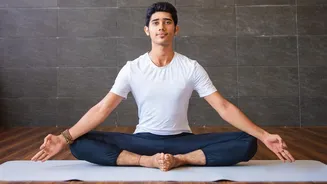
Yoga is the most visible example of this transformation. Once passed down through immersive, in-person learning, it is now available through countless online platforms and apps. Companies like Cult.fit and HealthifyMe integrate yoga and meditation into their holistic digital ecosystems, making it as easy to access as any other workout. These platforms offer live and recorded classes, catering to every level from beginner to advanced. The format is often adapted for a younger audience, with an emphasis on storytelling for kids' yoga or gamified progress tracking to maintain motivation. This digital approach removes traditional barriers like time, location, and the intimidation of a formal class, making the practice more accessible than ever.
The Warrior's Workout Goes Viral
It’s not just yoga. Kalaripayattu, the ancient martial art from Kerala often called the 'mother of all martial arts', is finding a new legion of fans online. Practitioners and gurus now use platforms like Instagram and YouTube to showcase the discipline's powerful, fluid movements, attracting a global audience. Viral videos of incredible feats of agility and skill have piqued the interest of a generation drawn to dynamic and visually compelling content. While some masters note the difficulty of teaching combat techniques remotely, online classes have become a viable way for beginners to learn the foundational postures, breathing exercises, and sequences, preserving the art form by widening its reach.
Mallakhamb's Modern Revival
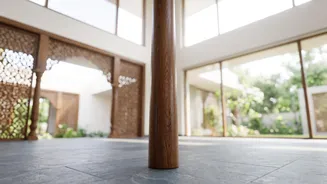
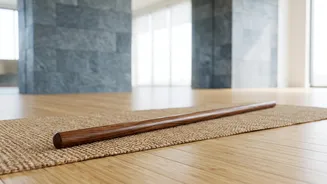
Similarly, Mallakhamb, a traditional form of gymnastics performed on a vertical wooden pole or rope, has found a natural home on social media. Its blend of strength, acrobatics, and grace makes for captivating visual content that thrives online. Fitness influencers and practitioners are reframing it as an indigenous form of calisthenics or pole fitness, connecting it to modern wellness trends. Even the Mudgar, a traditional wooden club used for strength training, is being popularized through online tutorials that highlight its benefits for building grip strength and core stability, moving it from the wrestling pit to the home gym. This digital exposure helped lead to its inclusion in the Khelo India Youth Games, cementing its status as a competitive sport.
Authenticity in a Digital Age
This digital migration is not without its challenges. One major concern is the loss of the guru-shishya parampara, the direct lineage of knowledge from teacher to student. A study by IIIT Hyderabad noted that many apps, often designed in Western contexts, fail to account for Indian cultural realities, from home-cooked meals to climate variations. Without in-person guidance, there's a higher risk of improper form and injury, especially in complex disciplines like Kalaripayattu or Mudgar training. However, users are also adapting, creating a hybrid approach where they use apps for motivation and tracking but rely on their own intuition, community feedback, and cultural knowledge to guide their actual practice.