








The Unshakable Call of Devotion
At its core, the Rath Yatra is one of the most significant events in the Hindu calendar. It is a festival of pure, unadulterated devotion. For centuries, pilgrims have walked hundreds of kilometres, braved crushing crowds, and endured immense hardship
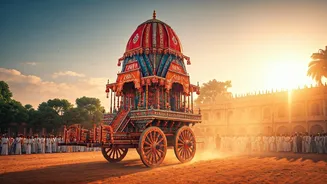
for a single, divine purpose: to catch a glimpse of Lord Jagannath, his brother Balabhadra, and sister Subhadra as they journey from the Jagannath Temple to the Gundicha Temple. This is not just a procession; it is a deeply spiritual experience. The belief is that witnessing the deities on their chariots, and especially pulling the sacred ropes, can wash away sins and grant moksha, or liberation. This is the 'faith' part of the equation—a powerful, timeless force that has drawn generations to the coastal town of Puri, creating a sea of humanity united by belief.
Enter the 'Experience Economy'
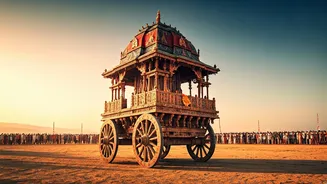
Alongside the devout pilgrim, a new kind of traveller is emerging. Fuelled by a desire for unique experiences and a perfectly curated Instagram feed, this modern visitor is drawn by the sheer spectacle of the Rath Yatra. This is where 'FOMO'—the Fear Of Missing Out—kicks in. In an age where travel is often performative, the Rath Yatra offers unbeatable content. The towering, brightly decorated chariots, the ecstatic energy of the crowds, the vibrant colours, and the raw emotion—it’s a visual feast. For them, the journey might start with a search for 'top cultural festivals in India'. The planning involves finding the most picturesque hotel, the best vantage points for photos, and crafting captions that capture the 'authentic' vibe of the event. It’s less about salvation and more about saturation, filters, and follower engagement.
Are Faith and FOMO at Odds?
It’s easy to create a simple binary: the selfless devotee versus the self-obsessed influencer. But the reality on the ground in Puri is far more complex and interesting. These two motivations are not always mutually exclusive; often, they coexist within the same person. A young professional from Bengaluru might be genuinely curious about their spiritual roots, prompted by stories from their grandparents. That curiosity, combined with seeing incredible reels from last year’s Yatra, is what finally convinces them to book a ticket. They arrive with a smartphone in one hand and a sense of reverence in the other. They might post a story of the rolling chariots with a trending audio track, and moments later, find themselves moved to tears by the collective chanting of 'Jai Jagannath'. The FOMO might have been the catalyst, but the experience of faith can be an unexpected, and powerful, result.
The Great Equaliser: Chaotic Logistics
Whether you are there for moksha or for likes, the Rath Yatra presents the same formidable challenges. Getting to Puri during the festival is a logistical nightmare. Train tickets are sold out months in advance. Flights to the nearest airport in Bhubaneswar are exorbitantly priced. Hotel rooms, if you can find one, cost a fortune. The streets are impossibly crowded, mobile networks crash, and the sheer scale of the event can be overwhelming. This shared struggle acts as a great equaliser. No matter your motivation for being there, you are part of the same heaving, chaotic, and ultimately unforgettable human experience. Surviving the logistics of the Rath Yatra requires a level of commitment that transcends the initial reason for the trip.
A Living, Breathing Tradition
Perhaps the fusion of faith and FOMO is not a sign of tradition being diluted, but rather a testament to its enduring power. The Rath Yatra has survived for centuries because it is a living, breathing event that adapts to the times. The way people express their devotion or share their experience may change—from word-of-mouth tales to viral TikToks—but the central force of the festival remains. It is a spectacle so grand that it commands attention. The FOMO that brings a new generation to Puri ensures that the tradition doesn't become a relic. It forces the story of Jagannath into new feeds and onto new screens, ensuring that even in a hyper-digital world, the path of the chariots remains a journey that millions still feel compelled to join.