





The Search for 'Clean' Fuel
The modern fitness landscape is evolving. Today’s health-conscious urbanites are increasingly scrutinising labels, moving beyond just protein quantity to focus on quality. They're seeking 'clean' protein sources—products with minimal, recognisable ingredients,
free from artificial additives, fillers, and common allergens. This shift is driven by a desire for better digestion, reduced inflammation, and sustainable choices that align with a holistic wellness lifestyle. In India, where the plant-based milk market is projected to see significant growth, this trend is finding fertile ground as consumers seek healthier alternatives to traditional dairy.
Pea Milk: The Protein Powerhouse
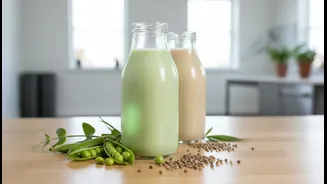
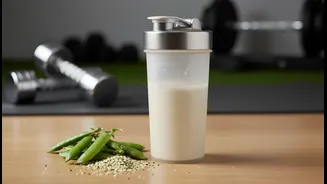
Don't let the humble source fool you; pea milk is a formidable player in the protein game. Made from yellow split peas, it boasts a protein content that is often comparable to cow's milk, typically around 8 grams per serving. Studies have shown that pea protein is highly effective for muscle building, with some research indicating it can promote gains in muscle thickness similar to whey protein, especially for those new to resistance training. It is rich in branched-chain amino acids (BCAAs) like leucine, which are crucial for triggering muscle protein synthesis and repair after a workout. Furthermore, it is naturally hypoallergenic, making it an excellent choice for individuals with sensitivities to dairy, soy, or nuts.
Hemp Milk: The Complete Package
Derived from the seeds of the hemp plant, hemp milk offers a unique nutritional profile. A key advantage is that it provides a complete protein, meaning it contains all nine essential amino acids that the body cannot produce on its own. This makes it a fantastic single-source option for muscle repair and nervous system regulation. Beyond protein, hemp milk is a rich source of healthy fats, including an ideal ratio of omega-6 to omega-3 fatty acids, which can help reduce inflammation and support post-workout recovery. It’s also easily digestible and a good source of minerals like magnesium and iron.
Pea vs. Hemp: Which Is Right for You?
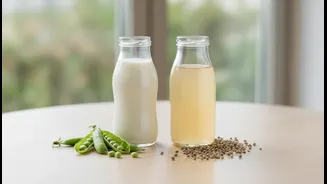
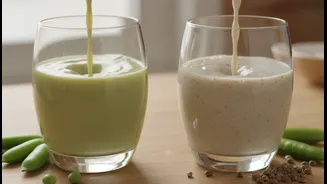
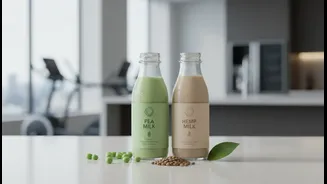
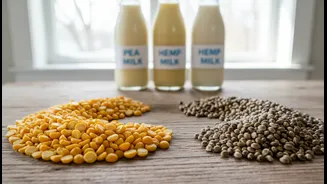
Choosing between pea and hemp milk often comes down to specific fitness goals and dietary preferences. If your primary goal is maximising protein intake, pea milk generally has a slight edge in quantity, delivering a powerful dose for muscle synthesis. However, if you're focused on a complete amino acid profile from a single source and the anti-inflammatory benefits of omega fatty acids, hemp milk is an outstanding choice. Taste and texture also play a role; pea milk is often described as creamy and neutral, while hemp milk has a nuttier, earthier flavour. Both are more sustainable than dairy, using significantly less water and land, with pea plants even enriching the soil by fixing nitrogen.
Integrating Into Your Fitness Routine
Accessing these plant-based powerhouses is easier than ever. Both pea and hemp milk are versatile and can be seamlessly integrated into any fitness enthusiast's diet. They are ideal as a base for post-workout smoothies, blending well with fruits, vegetables, and other supplements to create a nutrient-dense recovery shake. They can also be used in overnight oats, breakfast cereals, or coffee to boost your protein intake throughout the day. For those with busy urban lifestyles, their convenience and digestibility make them a simple yet effective tool for meeting daily nutritional needs and supporting peak physical performance.