







An Introduction to the ‘Superhero Fruit’
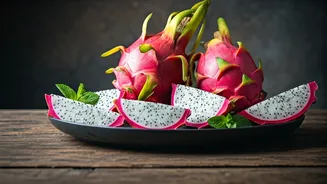
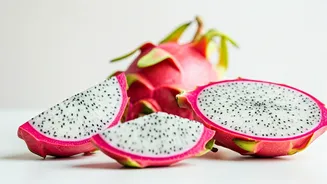
Dragon fruit, also known as pitaya, is the fruit of a cactus species native to the Americas but now grown across the world’s tropical regions, including India. Its exotic appearance, resembling the scales of a mythical dragon, hides a surprisingly gentle
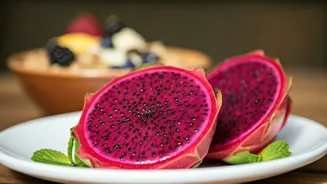
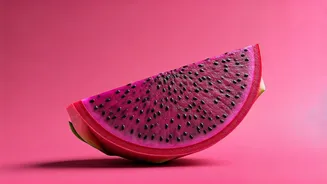
interior. The flesh, which can be white, red, or magenta, is speckled with tiny, edible black seeds, similar to a kiwi. The taste is often described as a subtle blend of pear and kiwi, making it a refreshing and not overly sweet base for many culinary creations. When shopping, look for fruit with bright, evenly coloured skin that gives slightly when pressed, much like a ripe avocado.
A Nutritional Powerhouse
Beyond its good looks, dragon fruit is packed with health benefits. It is low in calories but rich in essential nutrients like Vitamin C, iron, and magnesium. It's also a great source of dietary fibre, which is important for digestive health and can help you feel full for longer. The fruit is loaded with powerful antioxidants, such as flavonoids and betalains, which help protect your cells from damage caused by free radicals. Some studies suggest the prebiotics found in dragon fruit can also promote a healthy gut by encouraging the growth of beneficial bacteria.
Vibrant and Refreshing Smoothies
One of the easiest and most popular ways to enjoy dragon fruit is in a smoothie or smoothie bowl. Its brilliant colour, especially from the red-fleshed varieties, creates an Instagram-worthy breakfast. Simply blend frozen dragon fruit chunks with other tropical fruits like banana and mango, along with a splash of coconut milk or yogurt, for a thick, creamy, and nutritious start to your day. Top your bowl with granola, chia seeds, and fresh fruit for added texture and nutrients.
Effortless No-Bake Desserts
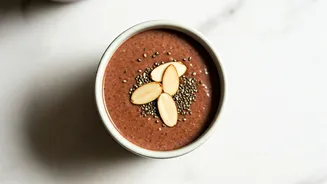
When you want a sweet treat without turning on the oven, dragon fruit is an excellent choice. Create beautiful layered parfaits by alternating dragon fruit puree with Greek yogurt and crunchy granola in a clear glass. For a simple, cooling dessert, blend dragon fruit with a little lime juice and a touch of sweetener, then pour the mixture into popsicle moulds and freeze. You can also make simple chia seed puddings by soaking chia seeds in a mixture of mashed dragon fruit and milk until it forms a gel-like consistency.
Perfect for Parties and Sharing
The “shareable” nature of dragon fruit truly shines on a platter. Slicing the fruit is simple: just cut it in half lengthwise and either scoop out the flesh with a spoon or peel the skin away and cube the flesh. The sturdy flesh holds its shape well, making it perfect for fruit salads and platters. For a creative twist, arrange dragon fruit slices on a large plate to create “fruit nachos,” then drizzle with melted dark chocolate and sprinkle with pistachios and shredded coconut for a fun, interactive dessert. You can even use the empty skin as a natural, biodegradable bowl to serve the fruit salad in.
Get Creative in the Kitchen
Don’t be afraid to experiment. The mild flavour of dragon fruit makes it a versatile ingredient in both sweet and savoury dishes. It can be used to create a refreshing salsa with red onion, lime, and cilantro to serve with grilled fish. You can also incorporate dragon fruit puree into no-bake cheesecake bars for a stunning pink swirl. For a more adventurous baked treat, you can even find recipes for soft chiffon cakes that use dragon fruit for both colour and a subtle, fruity flavour.