



Why Vegetables Spoil Faster in the Monsoon
The magic of the monsoon is all about moisture, but that same moisture is your enemy when it comes to fresh produce. The humid air creates the ideal environment for fungal and bacterial growth. Vegetables, especially those with high water content or complex
surfaces, become vulnerable. The dampness allows microbes to thrive, accelerating the process of decay. Furthermore, transportation and storage in damp conditions can introduce contaminants even before the vegetables reach your kitchen. Cut or bruised vegetables are particularly at risk, as any break in the skin is an open invitation for spoilage agents. This is why a smart selection and storage strategy is not just about saving money, but also about ensuring the food you eat is safe and healthy.
Hardy Heroes: Veggies That Endure
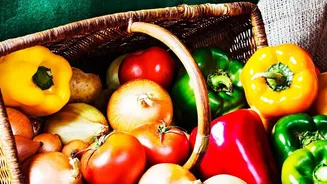
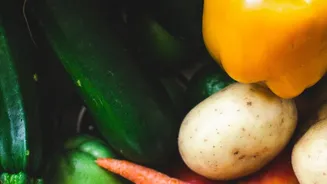
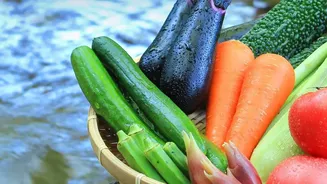
Not all vegetables surrender to the damp so easily. Focusing your bulk purchases on hardier varieties can save you multiple trips to the market. Root vegetables and gourds are the champions of longevity. Think potatoes, onions, and garlic, which should be stored in a cool, dry, and dark place away from each other to prevent sprouting. Gourds like lauki (bottle gourd), pumpkin, and karela (bitter gourd) are also excellent choices. Their thick skins protect them from the excess humidity. Other resilient options include yams, sweet potatoes, and ginger. When buying potatoes, ensure they are firm with no soft spots or sprouts. For onions, look for those with dry, papery outer skin. These staples form a reliable base for your monsoon meals.
The Delicate Dozen: Buy in Small Batches
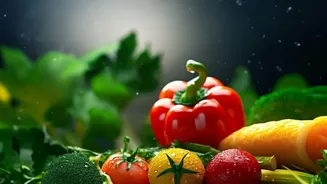
Some vegetables are best enjoyed immediately after purchase during the rainy season. Leafy greens like spinach, coriander, and lettuce are notorious for carrying grit and harbouring microbes in their many folds, making them difficult to clean and quick to rot in high humidity. Similarly, cruciferous vegetables like cauliflower and broccoli have nooks and crannies that trap moisture and can become breeding grounds for bacteria. Mushrooms, which naturally thrive in damp conditions, are also a high-risk food and should be bought fresh and cooked promptly. Tomatoes, bell peppers, and eggplant (brinjal) are also susceptible to faster spoilage and potential fungal growth during this season. The best approach for these is to buy them in smaller quantities that you plan to use within a day or two.
The Storage Strategy: Keeping Freshness Locked In
How you store your vegetables is just as important as which ones you buy. A cardinal rule for the monsoon is to avoid washing vegetables before storing them; wash them only right before use. Washing introduces moisture that accelerates rot. For leafy greens that you must store, wrap them in a paper towel to absorb excess moisture before placing them in a bag in the refrigerator's crisper. Root vegetables like carrots and beetroots should have their leafy tops removed before being stored in a cool place, as the leaves draw moisture from the root. Keep ethylene-producing produce like tomatoes and bananas away from ethylene-sensitive vegetables like broccoli and leafy greens, as the gas will speed up ripening and spoilage. Proper ventilation is key for items like potatoes and onions, so mesh bags or baskets work better than sealed plastic bags.
Smarter Shopping for Rainy Days
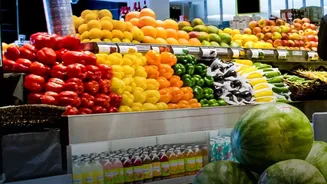
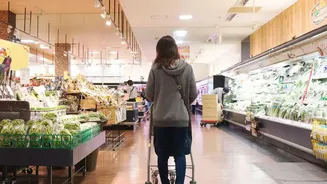
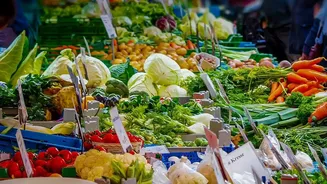
Your fight for fresh veggies begins at the market. Be extra vigilant when making your selections. Always choose vegetables that are firm, bright, and free from any cuts, bruises, or mouldy spots. Avoid pre-cut or peeled vegetables, as their exposed surfaces are highly prone to contamination, especially in the humid weather. It’s also wise to buy from vendors who keep their produce on raised platforms, away from dirty water on the ground. When you bring your groceries home, unpack them immediately and dry any surface moisture with a clean cloth before putting them away. A little bit of care during shopping and initial handling can significantly extend the life of your produce and protect your family's health.