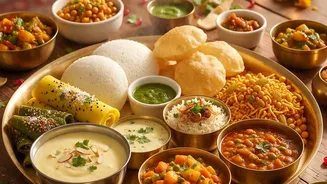


The festival of lights has faded, but the mountain of mithai and snacks remains. Instead of facing snack fatigue, a creative and sustainable trend is taking over Indian kitchens: upcycling. Here’s how to give your leftovers a delicious new life.
The Delicious Dilemma
Every
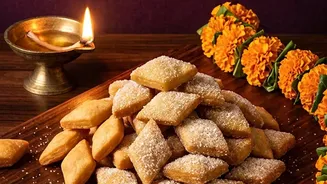
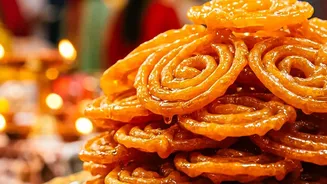
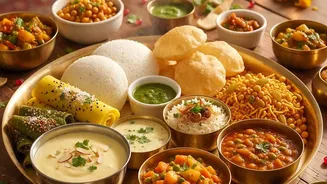
year, post-Diwali kitchens across India face a familiar, sugary predicament. The tables that were once laden with festive cheer are now cluttered with half-eaten boxes of soan papdi, hardening laddoos, and an assortment of savoury snacks. While these treats are gifted and received with love, their sheer volume can be overwhelming. The thought of eating the same sweets for another week is unappealing, yet throwing them away feels wasteful and wrong. This annual surplus creates a significant amount of food waste, a problem that a growing number of home cooks are now tackling with creativity and a conscience.
Upcycling: The Sustainable Answer
Enter 'snack upcycling' — the practice of transforming leftovers into entirely new culinary creations. More than just reheating or repurposing, upcycling is about reinvention. It’s a movement that aligns perfectly with a broader shift towards sustainability in Indian homes. By reimagining leftover mithai and namkeen, households are not only reducing food waste but also saving money and sparking creativity. This trend treats leftovers not as a burden, but as a base ingredient for exciting new dishes, turning a post-festival problem into a delicious opportunity.
Sweet Endings: Reimagining Mithai
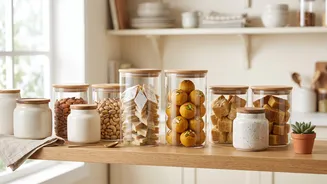
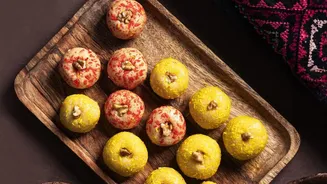
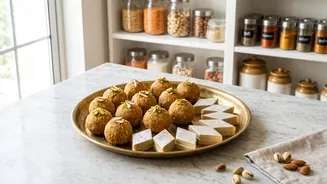
The greatest potential for upcycling lies with Indian sweets. Their base of milk, flour, sugar, and nuts makes them incredibly versatile. With a little imagination, that box of mithai can become the star of a gourmet dessert. For instance, crumbly sweets like motichoor laddoos, besan laddoos, or various barfis can be transformed into the crust for a no-bake cheesecake. Simply crush the sweets, mix with a little melted butter, and press into a pan for a fragrant, textured base. Denser sweets like gulab jamun or rasgulla can be sliced and layered in a trifle or tiramisu, where they soak up complimentary flavours like coffee or saffron-infused milk. Even the notoriously flaky soan papdi can be blended into a rich, nutty milkshake or layered in a parfait with yogurt and fruit.
From Barfi to Brownies and Beyond
The innovation doesn't stop there. Creative home cooks are incorporating mithai directly into baked goods. Leftover plain or kaju barfi can be crumbled into cake batter to create a moist, flavourful 'mithai cake'. Similarly, besan barfi adds a surprising, fudgy richness to brownies, creating a fusion dessert that’s uniquely Indian. For a simpler treat, leftover pedas or barfis can be blended with milk and cardamom to create a quick and flavourful milkshake, or crumbled and cooked down with milk to make a creamy kheer. These ideas prove that with a little effort, you can easily prevent your festive treats from going stale.
Savvy with Savouries
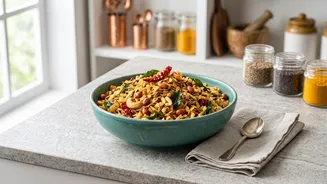
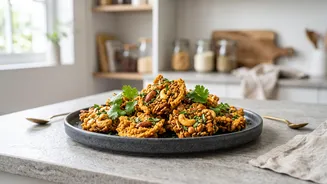
It’s not just the sweets that get a second chance. Leftover savoury snacks, or 'faral', can also be upcycled. Crunchy items like chakli, mathri, and namakpara are perfect for creating quick chaats. Break them into bite–sized pieces and top with chopped onions, tomatoes, yogurt, and a drizzle of mint and tamarind chutneys for an instant sev puri–style snack. You can also crush these savouries into a coarse powder and use them as a crunchy coating for fried chicken or fish, adding an unexpected layer of spice and texture. Another simple idea is to toss them into a trail mix with roasted nuts and seeds for a convenient, on–the–go snack.