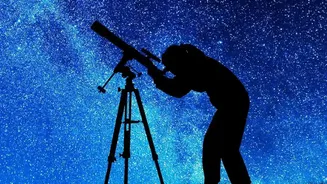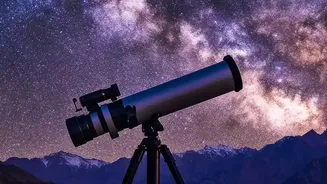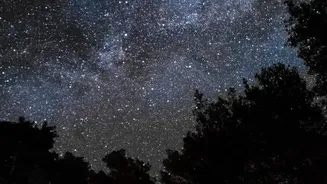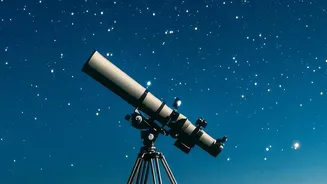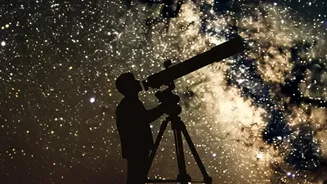



Beyond the glow of city lights lies a universe waiting to be discovered. Stargazing is a journey into the cosmos, and India’s diverse landscapes offer some of the best seats in the house. Here’s how to plan your own celestial adventure.
Find Your Celestial Theatre
The first step
to a successful stargazing trip is escaping light pollution. India is blessed with several locations that offer pristine, dark skies. For the ultimate experience, head to Hanle in Ladakh, home to India’s first official Dark Sky Reserve. Its high altitude and dry, clear air provide unparalleled views of the cosmos. Another Himalayan gem is Spiti Valley in Himachal Pradesh, where remote villages like Kibber and Langza sit under some of the darkest skies in Asia. If you prefer a different landscape, the vast, flat expanse of the Rann of Kutch in Gujarat offers a surreal setting, especially during the winter months when the white salt desert seems to merge with the star-filled sky. In the south, the hills of Coorg in Karnataka provide tranquil spots away from city glare, particularly between October and May.
Timing is Everything
To maximize your chances of a spectacular show, timing is crucial. The best seasons for stargazing are generally winter (November to February) and summer (May to June), when skies are typically clear and free of monsoon clouds. However, high-altitude destinations like Ladakh and Spiti are most accessible from May to October. The most important factor is the lunar cycle. Plan your trip around the new moon phase. A full moon, while beautiful, acts like a giant spotlight, washing out fainter stars and the delicate structure of the Milky Way. The best time to view the Milky Way is typically between March and October. Always check the local weather forecast before you go, as even the best location is useless under a blanket of clouds.
Gear Up for the Cosmos
You don’t need an expensive telescope to start your astronomical journey. In fact, at many of India's prime dark-sky sites, the Milky Way is visible to the naked eye. A good pair of binoculars is an excellent first step, revealing craters on the moon, the moons of Jupiter, and brighter star clusters. To help you navigate the night sky, download a stargazing app like Stellarium, SkyView, or Star Walk. These apps use your phone's GPS and sensors to identify stars, constellations, and planets in real-time just by pointing your device at the sky. A red-light headlamp is another essential piece of kit; it illuminates your surroundings without ruining your night vision, which can take up to 30 minutes to fully adapt to the dark.
Dress for Comfort, Pack for the Night
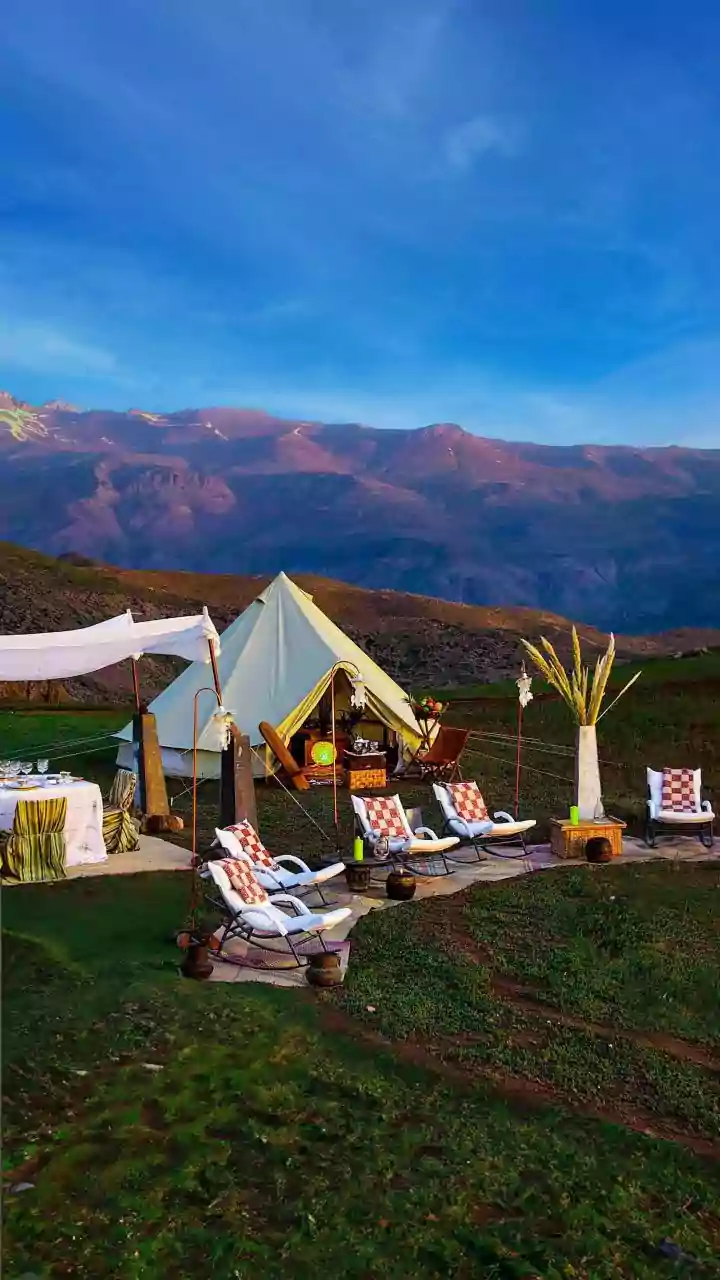
Even on a warm day, a clear night under the stars can get surprisingly cold, especially at high altitudes. Dressing in layers is key. Pack a warm jacket, a hat, and gloves to stay comfortable while you’re observing. Since you might be sitting or lying still for long periods, consider bringing a comfortable camping chair or a thick blanket to lie on. This will prevent neck strain and make the experience far more enjoyable. Packing some light snacks and a flask of a hot beverage like tea or coffee can also make a long night of stargazing much more pleasant. Patience is a virtue in stargazing, and being comfortable allows you to relax and fully immerse yourself in the celestial spectacle above.
Know What to Look For
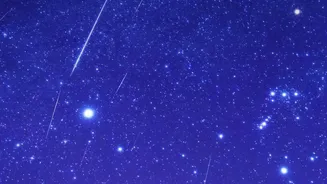
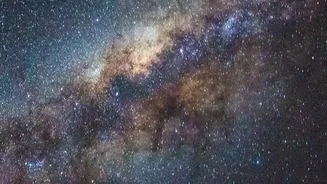
Familiarizing yourself with a few key celestial objects can greatly enhance your experience. Start by learning to identify major constellations visible from India, such as Orion (the Hunter) with its distinct belt, Ursa Major (the Great Bear) which contains the Saptarishi, and Cassiopeia with its 'W' shape. Your stargazing app can help you locate these. Once you're oriented, try to spot planets. Jupiter and Saturn are often bright and easy to find. On a clear, moonless night in a dark location, the breathtaking band of the Milky Way will stretch across the sky. If you're lucky, you might even catch a meteor streaking by. Major meteor showers like the Perseids in August and the Geminids in December offer an even more dramatic display.