




More Than Just a Hobby
This isn't just about the simple pleasure of gardening. The urban farming trend across cities like Bengaluru, Mumbai, and Delhi is a direct response to modern anxieties. Concerns over pesticide-laden produce, fluctuating market prices, and a desire for
a tangible connection to what we eat are driving this shift. For many, growing their own food is an act of reclaiming control over their health and nutrition. It's a conscious move away from anonymous, long-distance supply chains toward something personal, transparent, and hyperlocal—often just a few steps from the kitchen.
The Balcony and Terrace Farmers
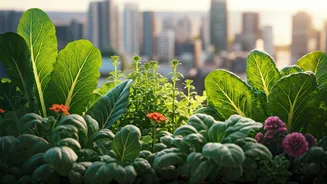
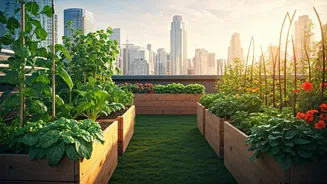
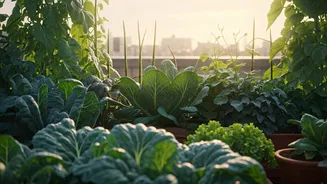
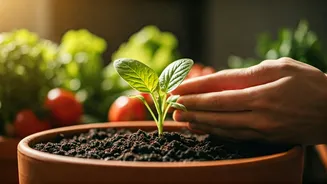
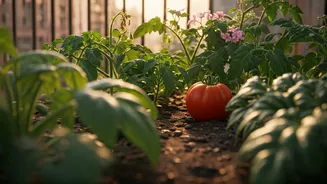
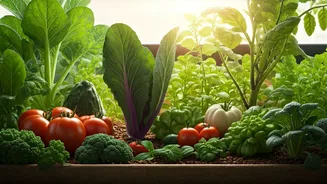
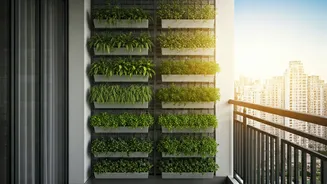
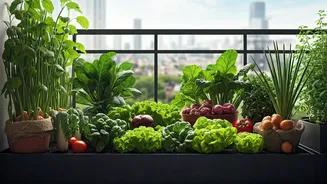
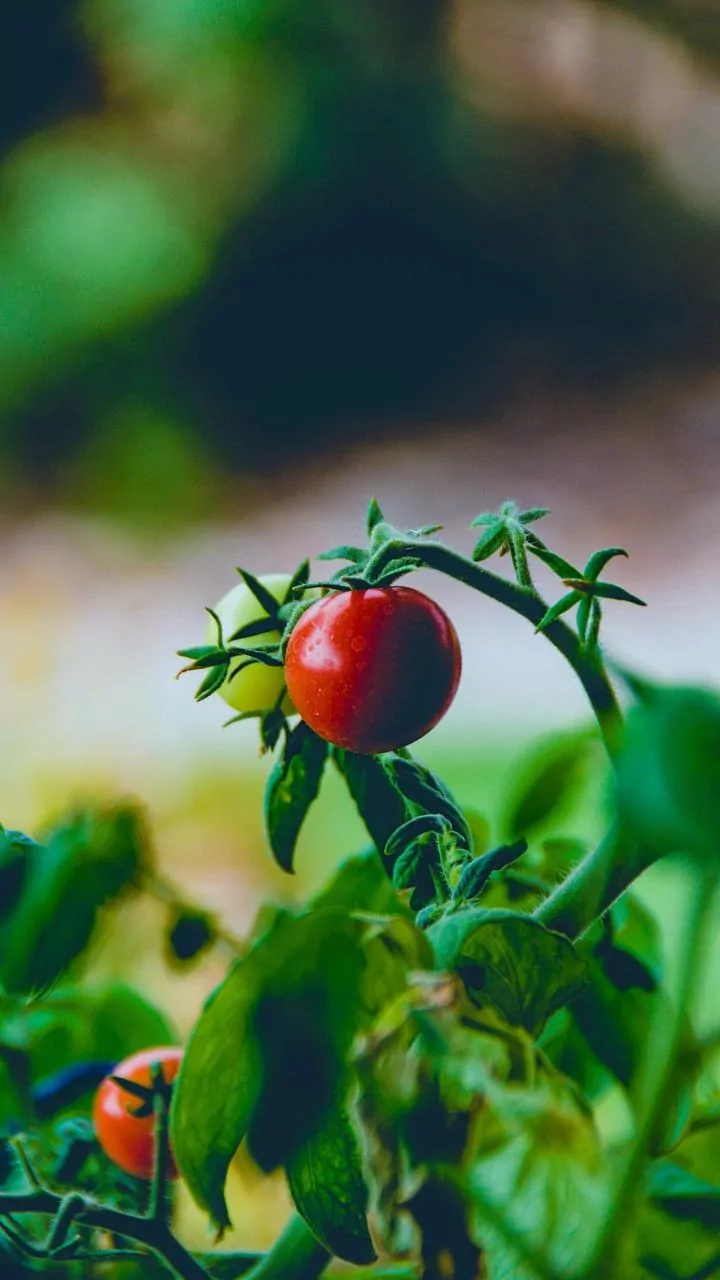
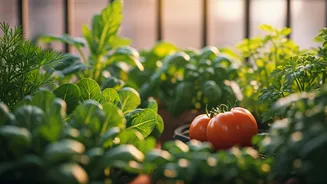
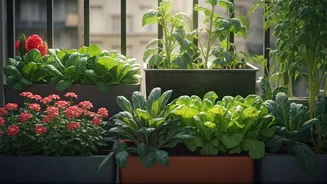
The movement is championed by a diverse group of city residents. Young professionals find it a meditative escape from screen-filled workdays, families use it as a tool to teach children where food comes from, and retirees are rediscovering a passion for cultivation. The crops are as varied as the growers themselves. Staple items like tomatoes, chillies, mint, and coriander are common starters. But many are getting more ambitious, successfully growing everything from spinach and lettuce to brinjals and gourds in an assortment of pots, grow bags, and vertical planters designed to maximise yield in minimal space.
Tech-Powered Urban Agriculture
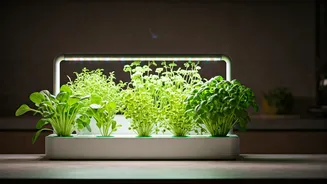
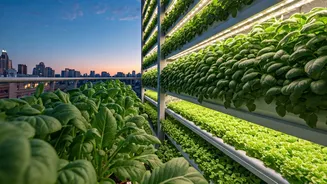
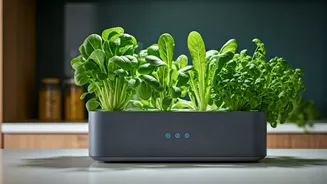
While traditional soil-based gardening remains popular, technology is making urban farming more accessible and efficient than ever. A new wave of agritech startups is catering specifically to city dwellers with soilless farming solutions like hydroponics and aquaponics. These systems, which grow plants in nutrient-rich water, use significantly less space and water than traditional methods, making them ideal for compact apartments. Companies offer everything from beginner-friendly tabletop kits to sophisticated, automated vertical farms, providing the seeds, nutrients, and digital support needed to ensure a successful harvest, even for a complete novice.
The Harvest of Benefits
The rewards extend far beyond the dinner plate. The most obvious benefit is access to fresh, organic, and flavourful produce, free from harmful chemicals. But urban gardeners consistently report significant improvements in their mental well-being. The act of nurturing a plant from seed to harvest is described as deeply therapeutic, reducing stress and fostering a sense of accomplishment. Furthermore, this trend is building communities. Neighbours share tips, exchange seeds, and barter produce, strengthening social bonds in often-anonymous urban environments. Rooftop gardens also contribute to a greener cityscape, helping to lower urban temperatures and improve local air quality.
The Challenges on the Concrete Farm
Despite the enthusiasm, the path to a thriving urban farm is not without its obstacles. The primary constraint is, unsurprisingly, space. Not every apartment has a sun-drenched balcony. Novice gardeners often face a steep learning curve, battling common issues like pests, improper watering, and nutrient deficiencies. The initial setup cost, especially for hydroponic systems, can also be a barrier for some. However, a wealth of online resources, workshops, and community forums are helping to bridge this knowledge gap, empowering more people to overcome these initial hurdles and join the grow-your-own movement.