



What is a Dark-Sky Destination?
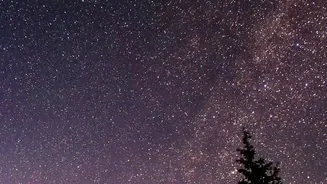
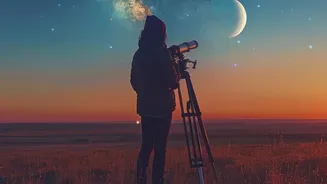
A dark-sky holiday is a trip planned around visiting a location with minimal to zero artificial light pollution. These places are often officially recognized as Dark Sky Parks, Reserves, or Sanctuaries by organizations like DarkSky International, which
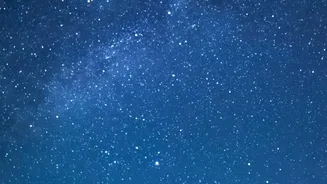
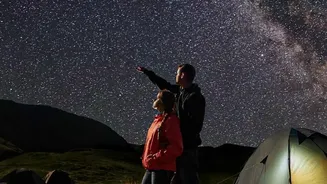
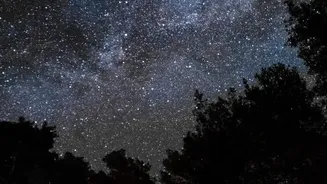
certifies areas committed to preserving natural darkness. The goal is simple: to escape the bright haze of urban skies and experience a night sky so clear that the Milky Way and thousands of stars become visible to the naked eye. These reserves have a protected core zone with the darkest skies and a buffer zone where communities adopt responsible lighting practices to shield the area.
India's Celestial Crown Jewel: Hanle
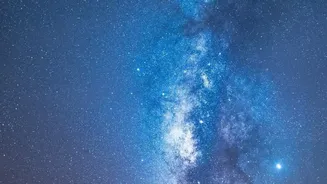
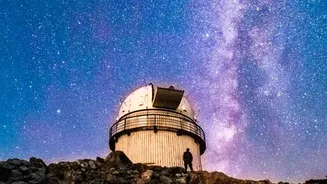
For Indian travellers, the ultimate destination is Hanle in Ladakh, home to India's first-ever designated Dark Sky Reserve. Established in December 2022 within the Changthang Wildlife Sanctuary, this high-altitude cold desert sits at 4,500 meters. Its thin, dry atmosphere and near-total lack of light pollution provide some of the best stargazing conditions in Asia, with around 300 clear nights a year. The reserve is home to the Indian Astronomical Observatory, one of the world's highest optical telescopes. Here, the Milky Way appears as a brilliant river of light, and visitors can join guided sessions with locally trained astronomy ambassadors.
Other Starry Havens in India
While Hanle is the crown jewel, India offers other incredible stargazing spots. Spiti Valley in Himachal Pradesh, with its high-altitude villages like Kibber and Langza, provides dramatic landscapes under intensely dark skies. The vast salt flats of the Rann of Kutch in Gujarat create a surreal experience where the stars seem to stretch to an endless horizon. For those in the south, the remote coffee plantations of Coorg, Karnataka, offer clear, starry nights away from urban glow. Other notable areas include parts of the Himalayas in Uttarakhand and even tiger reserves in Central India where the wilderness is naturally dark.
Going Global: World-Class Starscapes
The desire for dark skies is a global phenomenon. For those willing to travel further, the options are breathtaking. The Aoraki Mackenzie International Dark Sky Reserve in New Zealand is famed for its stunning celestial views over turquoise lakes. Chile's Atacama Desert, one of the driest places on Earth, offers unparalleled clarity for professional and amateur astronomers alike. In Africa, Namibia's NamibRand Nature Reserve is celebrated as one of the darkest places on the continent. These international sanctuaries provide a profound connection to the cosmos, reminding us of the universal heritage of the night sky.
Planning Your Celestial Escape
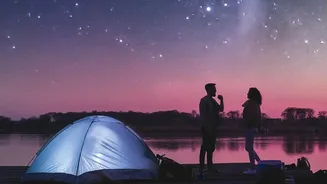
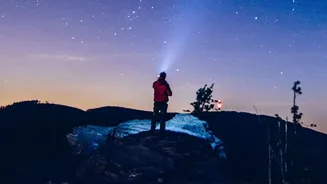
A successful stargazing trip requires some planning. The most crucial factor is the lunar cycle; always aim for the week of the new moon, when the sky is at its darkest. Pack layers, as even desert locations can get cold at night. While your eyes are the best tool, a good pair of binoculars can reveal craters on the moon and even the moons of Jupiter. For navigating the stars, apps like SkyView or Stellarium can help you identify constellations. Most importantly, be patient. It takes about 20-30 minutes for your eyes to fully adjust to the darkness. Use a red-light torch instead of a white one to preserve your night vision and be respectful of other stargazers.