




The Language of Your Knees
Do your knees snap, crackle, and pop when you stand up or take the stairs? This phenomenon, known as crepitus, is common and often harmless. It can simply be the sound of tiny gas bubbles bursting within your joint fluid. However, context is everything.
If these sounds are accompanied by pain, swelling, or a feeling of instability, your body is raising a red flag. Another early indicator is intermittent pain that appears after you've pushed yourself a bit harder than usual—perhaps a longer walk or a new activity. Similarly, morning stiffness that fades as you move or a feeling of tenderness when you press on the joint are subtle signs that your knees are under strain.
The Posture-Knee Connection
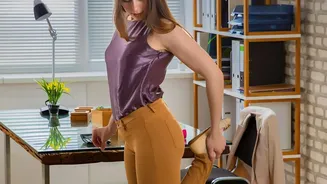
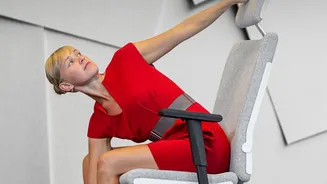
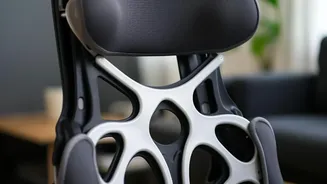
It might seem unrelated, but the way you sit at your desk has a direct impact on your knees. Poor posture creates a domino effect through your body's kinetic chain. Slouching alters the alignment of your spine and hips, which in turn changes how weight and force are distributed through your legs every time you stand or walk. This misalignment can place uneven and excessive pressure on your knee joints. Furthermore, sitting for hours with your knees bent at a 90-degree angle puts constant stress on the kneecap and can cause the supporting muscles and tendons to become tight and weak, setting the stage for pain and injury.
Everyday Habits That Add Up
Joint wear is often a story of accumulation, the result of small, repeated habits. Consistently wearing unsupportive footwear, like flimsy flats or high heels, can alter your body's mechanics and overload your knees. Repetitive motions such as frequent squatting or kneeling, especially on hard surfaces, also contribute significantly. Another major factor is weight. Every extra pound of body weight adds approximately four pounds of pressure to your knees when you walk, so maintaining a healthy weight is one of the most effective ways to protect them. Ignoring minor aches and 'pushing through the pain' is another damaging habit, as it can turn a small issue into a significant, long-term problem.
Avoiding the 'Weekend Warrior' Trap
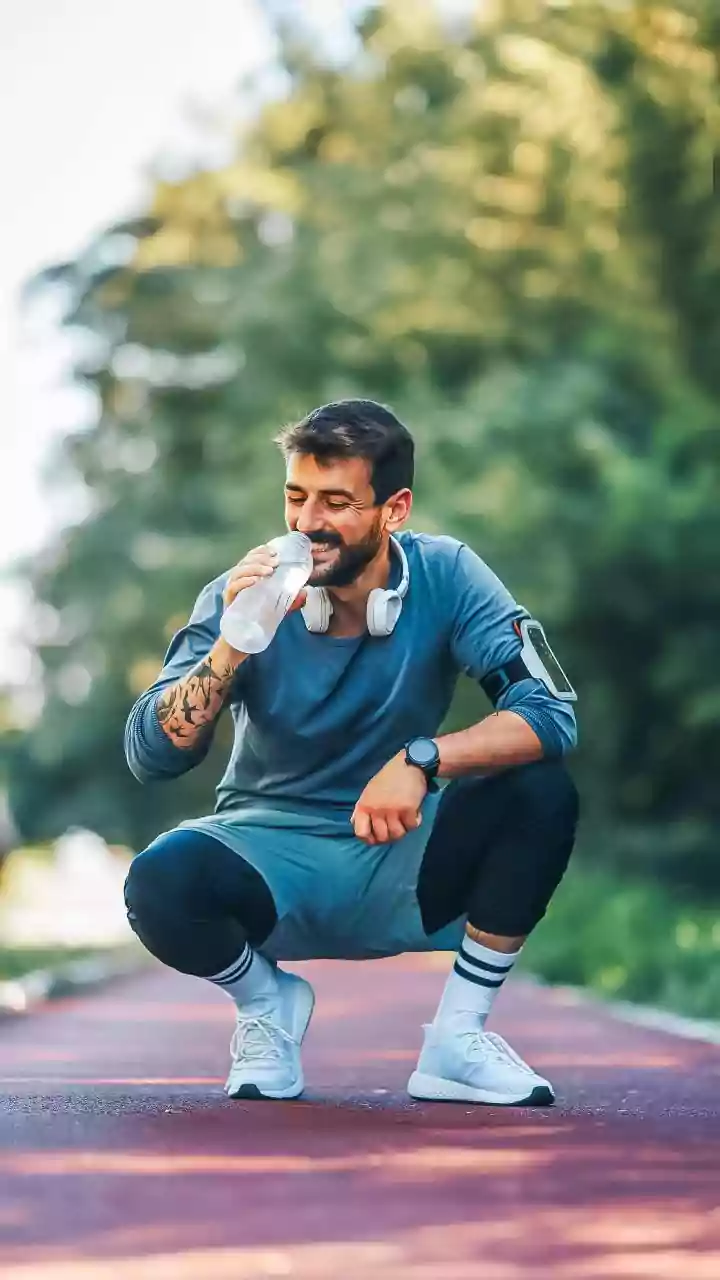
A sedentary lifestyle during the workweek followed by intense physical activity on Saturday and Sunday is a classic recipe for joint trouble. When your muscles, tendons, and ligaments are not conditioned for sudden, high-impact stress, the shock is absorbed directly by the joints. This 'weekend warrior' syndrome often results from skipping a proper warm-up and cool-down, leaving cold muscles more susceptible to injury. The key to avoiding this is consistency. Your joints thrive on regular, moderate movement, not on a cycle of inactivity followed by jarring exertion. Low-impact activities spread throughout the week are far kinder to your knees than one or two weekly high-impact sessions.
Small Changes for Long-Term Health
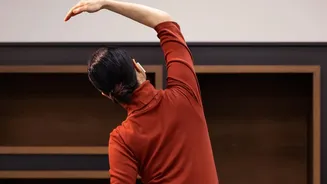
Protecting your joints doesn't require a complete life overhaul. Start by integrating small, positive habits. When sitting, ensure your feet are flat on the floor and avoid staying in one position for too long; get up and stretch every hour. Focus on building strength in the muscles that support your knees, like your quadriceps and hamstrings, to provide better stability. Swap high-impact exercises like running on pavement for lower-impact alternatives such as swimming, cycling, or walking. Most importantly, listen to your body. Use your stronger, larger joints to carry heavy loads when possible and never treat pain as a benchmark for a good workout.