




The Problem with the Checklist Tour
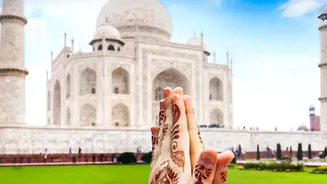
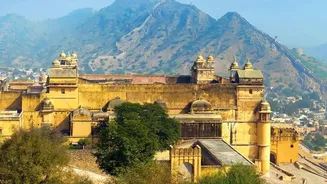
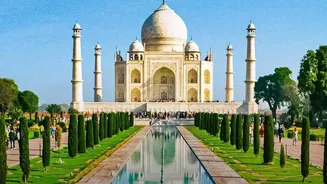
Many first-time trips to India are designed like a checklist: see the Taj Mahal, ride a train, visit a palace, and cover as many cities as possible in two weeks. This approach might fill a photo album, but it often leaves travellers with a superficial
sense of the country. India's immense diversity means that rushing from one point to another guarantees you'll miss the nuances that give each place its soul. The constant motion—early morning flights, long drives, and nightly hotel changes—can lead to exhaustion, turning a journey of discovery into an exercise in endurance. A slower itinerary, one that encourages you to linger in a place for several nights, provides the breathing room needed to absorb the culture, not just observe it.
Tasting History in Every Bite
Food is one of the most powerful windows into a culture, and in India, it is a direct line to the past. A slower pace allows you to taste history itself. In cities like Delhi and Agra, the rich, aromatic dishes of Mughlai cuisine tell the story of the Mughal Empire's Persian and Central Asian roots. The slow-cooked meats, fragrant biryanis, and succulent kebabs are a legacy of the imperial kitchens. Travel south to Kerala, the historic 'Land of Spices', and the food changes dramatically. Here, the cuisine is a map of ancient trade routes, where dishes are layered with black pepper, cardamom, and cloves that once drew traders from across the world. In Goa, the tangy, fiery flavours of dishes like Vindaloo reveal the lasting influence of 450 years of Portuguese presence, who introduced ingredients like chillies and vinegar. These connections are lost when you're just grabbing a quick meal between sights.
Beyond the Restaurant Menu
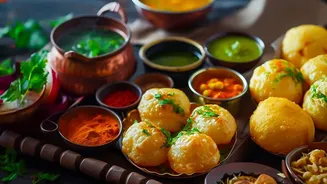
A hurried schedule often confines you to tourist-friendly restaurants, which may offer a polished but limited version of Indian food. Slowing down gives you the time and confidence to explore food in its true context. It means you can join a local food walk through the chaotic lanes of Old Delhi, discovering street food stalls that have been perfected over generations. It allows you to visit a local market, see the produce that shapes the region's cooking, and maybe even take a cooking class. You might find yourself invited into a home, where the concept of 'Atithi Devo Bhava' (the guest is God) is expressed through generous hospitality and home-cooked meals that you will never find on any menu. This is where you encounter the real food culture—the dishes that are part of daily life, family traditions, and community celebrations.
How to Practically Pace Your Trip
Adopting a slower pace doesn't mean doing nothing; it means doing less, but better. Instead of trying to conquer the entire subcontinent, focus on one or two regions. A week in Rajasthan or ten days exploring Kerala will offer a much richer experience than a frantic pan-India tour. Plan for at least two or three nights in each key destination to avoid feeling constantly in transit. Build unstructured time into your schedule. An unplanned afternoon allows for spontaneous discoveries, whether it's lingering in a cafe, exploring a neighbourhood on foot, or simply resting. This approach transforms your trip from a series of transactions into a collection of meaningful moments. It prioritises depth over distance, allowing the culture, history, and flavours of India to reveal themselves at their own unhurried pace.