







The Great Monsoon Retreat
The primary driver of October's varied weather is the withdrawal of the powerful Southwest Monsoon. This retreat is a gradual process that starts in the northwest around mid-September and moves southeastward across the country through October. As the monsoon
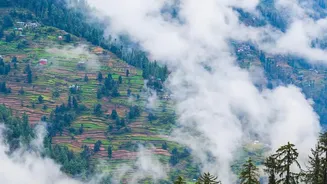
winds pull back from northern and western India, the heavy cloud cover disappears. This leads to clear skies and a significant drop in humidity, ushering in the pleasant, dry, and sunny days that many associate with the beginning of autumn and the festive season in these regions. After months of rain, this shift marks a welcome change, creating ideal conditions for outdoor activities and agriculture.
A Second Monsoon for the South
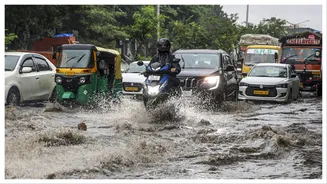
While the north dries out, the southern peninsula, particularly the southeastern coast, prepares for its primary rainy season. This is thanks to the Northeast Monsoon, also known as the retreating monsoon. As high pressure builds over the cooling landmass of northern India, winds reverse direction, blowing from the northeast. These winds pick up moisture as they cross the Bay of Bengal and deliver it to states like Tamil Nadu, coastal Andhra Pradesh, and parts of Kerala. For Tamil Nadu, this period from October to December is critical, accounting for nearly half of its total annual rainfall. The onset of this monsoon typically occurs around October 20.
The Cyclone Season Awakens
October is a peak month for cyclonic activity in the North Indian Ocean. The Bay of Bengal, in particular, becomes a hotbed for the formation of tropical cyclones. The sea surface temperatures are still warm after the summer, providing the energy needed for low-pressure systems to intensify into depressions and potentially powerful cyclones. These systems often form over the Andaman Sea and move towards the eastern coast of India, threatening states like Odisha, West Bengal, Andhra Pradesh, and Tamil Nadu with heavy, widespread rain and destructive winds. This makes October a month of high alert for coastal communities.
Whispers of Winter in the North
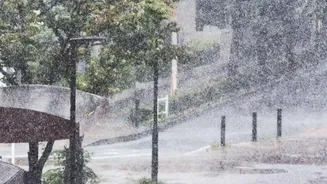
Even as the monsoon retreats, another weather system begins to influence North India: the Western Disturbances. These are extra-tropical storms originating in the Mediterranean region that travel eastward. While they are most active during the winter, their arrival in October can bring sudden showers and even early snowfall to the Himalayan states of Jammu and Kashmir, Himachal Pradesh, and Uttarakhand. This moisture and the associated drop in temperature are the first real signs of the approaching winter, bringing a distinct chill to the air, especially during the nights.
The Uncomfortable 'October Heat'
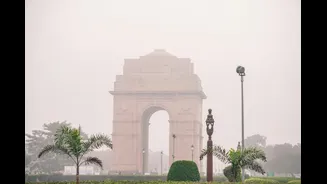
In a seeming paradox, the clear skies following the monsoon's withdrawal can also lead to a period of unusually warm and oppressive weather known as 'October Heat'. This phenomenon is common in the northern plains and parts of western and central India. As the clouds disappear, the sun's rays beat down intensely on land that is still moist from the recent rains. This combination of high temperature and high humidity makes the weather feel sticky and uncomfortable, as the moisture in the air prevents sweat from evaporating and cooling the body effectively. This 'second summer' is a transitional phase before cooler, drier winter air finally takes hold.