





Beyond the Ashram Gates
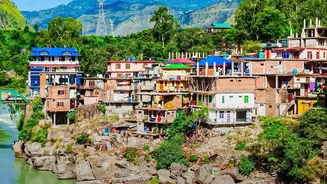
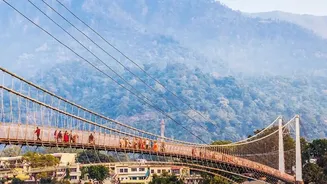
For decades, the image of Rishikesh was defined by ashrams, yoga retreats, and the sound of temple bells along the Ganges. It was a destination for introspection and spiritual journeys. Today, a new sound is joining the chorus: the clatter of keyboards.
The town is experiencing a significant cultural shift, attracting a wave of young Indian professionals, creators, and entrepreneurs who are trading city life for a 'workation' in the mountains. This new generation isn't just here for a digital detox; they're plugging in. Hostels are rebranding as co-living spaces, explicitly catering to remote workers who want the spiritual vibe of Rishikesh without sacrificing the productivity of a dedicated office.
The New Nomad's Essentials
What makes these new spaces so appealing? It's a formula that directly addresses the needs of a location-independent workforce. The primary offering is reliable, high-speed Wi-Fi, often with power backup—a crucial amenity in a region where connectivity can be inconsistent. These hostels provide dedicated workspaces, common rooms, and quiet corners designed for productivity, a far cry from balancing a laptop on a bed in a cramped hotel room. The packages are built for longer stays, with weekly and monthly rates that make living in a scenic town more affordable than renting an apartment in a major city. For example, weekly dorm stays can be found for as little as ₹2500, with private rooms also available at competitive rates.
Community, Collaboration, and Cafes
The “co-living” aspect is about more than just shared infrastructure; it's about a built-in community. These hostels become melting pots for developers, writers, artists, and marketers from across the country. This environment fosters collaboration and networking, with residents often sharing skills or simply finding motivation in working alongside like-minded peers. The social life is a major draw, with hostels organizing community events like movie screenings, music sessions, and bonfires. This structured social life helps combat the isolation that can sometimes accompany remote work, making it easy for solo travelers to connect with others. After work, the town's famous cafes overlooking the Ganges become informal extensions of the co-working space, where nomads gather to relax and socialize.
The Rishikesh Advantage
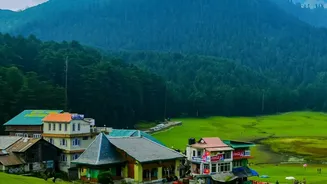
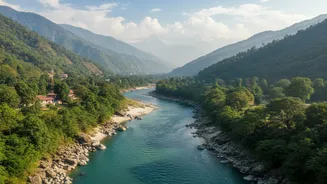
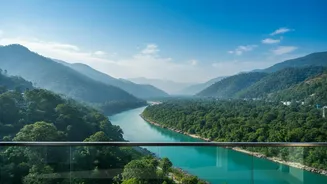
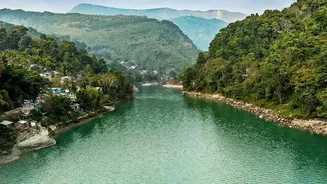
Why Rishikesh? The town offers a unique value proposition that few other places can match. The cost of living is exceptionally low, with budget-conscious nomads able to live comfortably for a fraction of what it would cost in a metropolitan area. Beyond the economics, it's the lifestyle that proves irresistible. The workday can be punctuated by a walk along the river, a yoga class, or a short trek into the Himalayan foothills. The environment promotes wellness and a healthier work-life balance, a powerful antidote to corporate burnout. This blend of spiritual heritage, natural beauty, and adventure sports creates a holistic living experience that resonates deeply with a younger generation seeking more meaningful lifestyles.
Challenges in Paradise
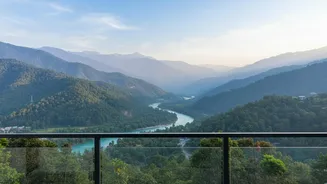
The lifestyle isn't without its potential difficulties. While many hostels advertise high-speed internet, reliability can still be a concern, and having a personal data hotspot is often recommended as a backup. The town's popularity means it can get crowded, especially during peak seasons, and the influx of remote workers is contributing to the ongoing commercialization of what was once a quiet spiritual town. Air quality can also be a concern at certain times of the year. However, for many, these trade-offs are minor compared to the benefits of waking up to mountain views and the freedom to blend work, wellness, and adventure in one of India's most iconic destinations.