

From Waste to Wonder
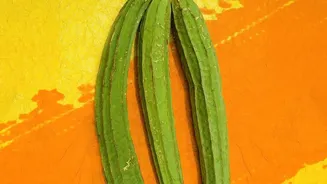
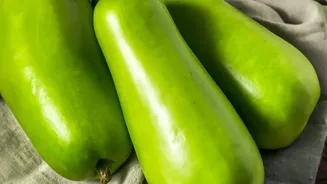
In the quest for a zero-waste kitchen, bottle gourd (lauki) peels are a hidden gem. Often discarded, the peels are surprisingly nutritious, containing a higher concentration of antioxidants and dietary fibre than the pulp itself. Studies have shown that
bottle gourd peel has significantly higher bioactive compounds and antioxidant capacity. Using the peels is not just a sustainable practice that reduces kitchen waste; it's a way to incorporate more nutrients into your diet. This simple recipe transforms what is typically considered scrap into a mouth-watering appetiser that is both healthy and economical.
Gathering Your Ingredients
This recipe relies on a handful of common kitchen staples to bring the humble peels to life. You will need: - Peels from one medium-sized bottle gourd (lauki) - 1 large potato, boiled and mashed - 1/2 cup gram flour (besan), for binding - 1 small onion, finely chopped - 1-2 green chillies, finely chopped - 1-inch piece of ginger, grated - A handful of fresh coriander leaves, chopped - Spices: 1 tsp cumin powder, 1 tsp coriander powder, 1/2 tsp turmeric powder, 1/2 tsp garam masala, and salt to taste. - Oil for pan-cooking
Preparing the Peels
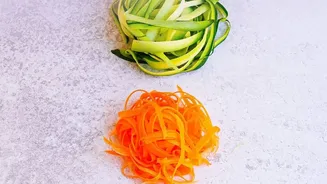
The key to a good peel kebab is tenderising the main ingredient. Start by thoroughly washing the bottle gourd before you peel it. Use a peeler to get thin strips. While some recipes use the peels raw, boiling them ensures a softer, more pleasant texture in the final kebab. Place the peels in a small pot, cover with water, and add a pinch of salt. Bring to a boil and cook for about 10-15 minutes, or until the peels are soft enough to be easily mashed. Once cooked, drain the peels completely and squeeze out any excess water. This step is crucial; too much moisture will result in a soggy kebab mixture that is difficult to shape and fry.
Creating the Kebab Mixture
In a large mixing bowl, combine the boiled and drained peels with the mashed potato. Use a fork or your hands to blend them together. Now, add the finely chopped onion, green chillies, grated ginger, and fresh coriander. Sprinkle in all the powdered spices: cumin, coriander, turmeric, garam masala, and salt. Mix everything until it's well combined. Finally, add the gram flour (besan). The besan acts as a binding agent, helping the kebabs hold their shape. If the mixture feels too wet, you can add an extra tablespoon of besan. Let the mixture rest for about 10 minutes to allow the flavours to meld together.
Shaping and Pan-Cooking to Perfection
Pan-cooking is a healthier alternative to deep-frying that uses significantly less oil while still achieving a wonderfully crispy exterior. To begin, lightly grease your palms with a little oil. Take a small portion of the kebab mixture and roll it into a ball, then gently flatten it to form a patty or tikki shape. Heat a non-stick pan or a tawa over medium heat and add a teaspoon or two of oil. Once the oil is warm, carefully place the kebabs on the pan, leaving enough space between them. Cook for 3-4 minutes on each side, or until they are golden brown and crisp. Avoid overcrowding the pan and cook in batches if necessary. The medium flame ensures the kebabs cook through without burning on the outside.
Serving Your Healthy Kebabs
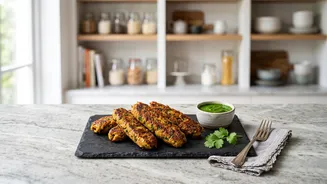
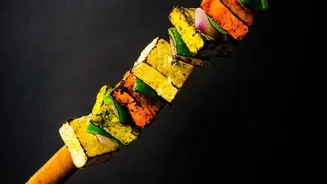
These bottle gourd peel kebabs are best served hot, straight from the pan. Their crispy texture and savoury flavour pair beautifully with a variety of accompaniments. For a classic combination, serve them with a fresh mint-coriander chutney and some sliced onions. A side of tangy tamarind chutney or a simple yogurt dip also works wonderfully. These kebabs make for a perfect evening snack with a cup of tea, a healthy appetiser for guests, or even a light meal when wrapped in a roti or paratha.