




The Old Way: A Game of Guesswork
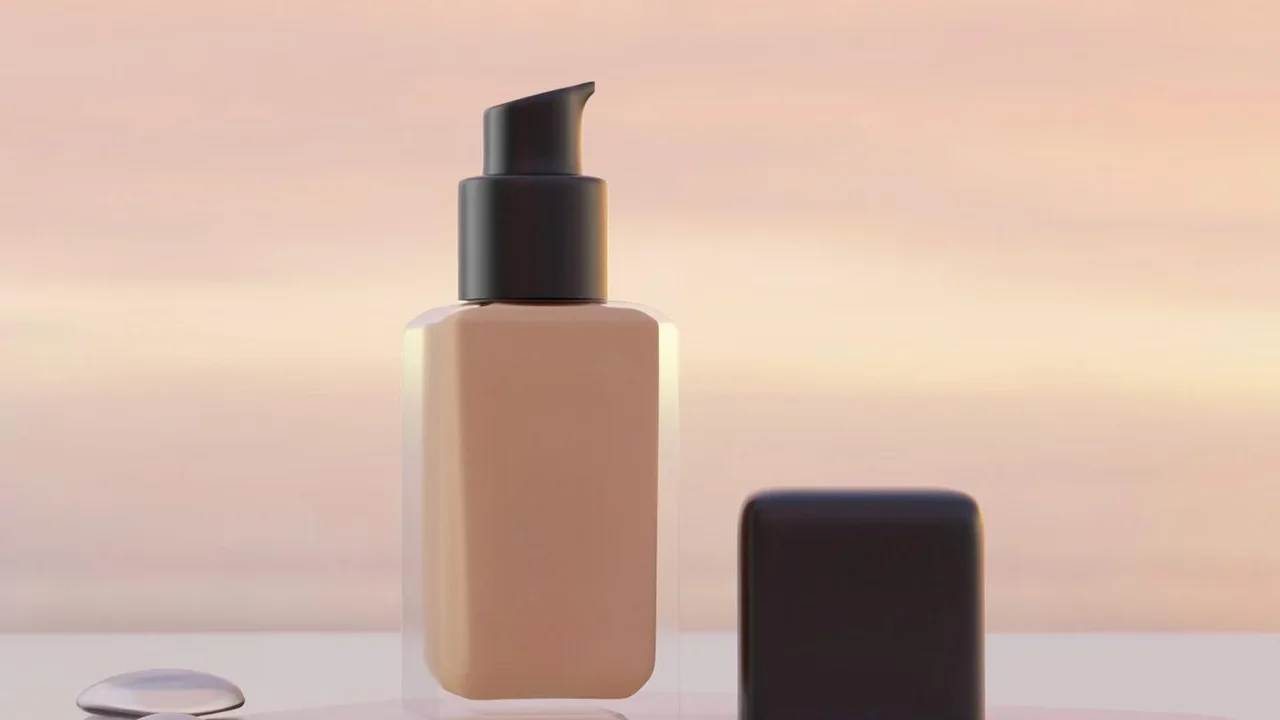
For decades, finding the perfect foundation shade has been a flawed process. It often involves a trip to a department store, where a sales associate matches a shade to your jawline under harsh fluorescent lights. Alternatively, online shoppers are left
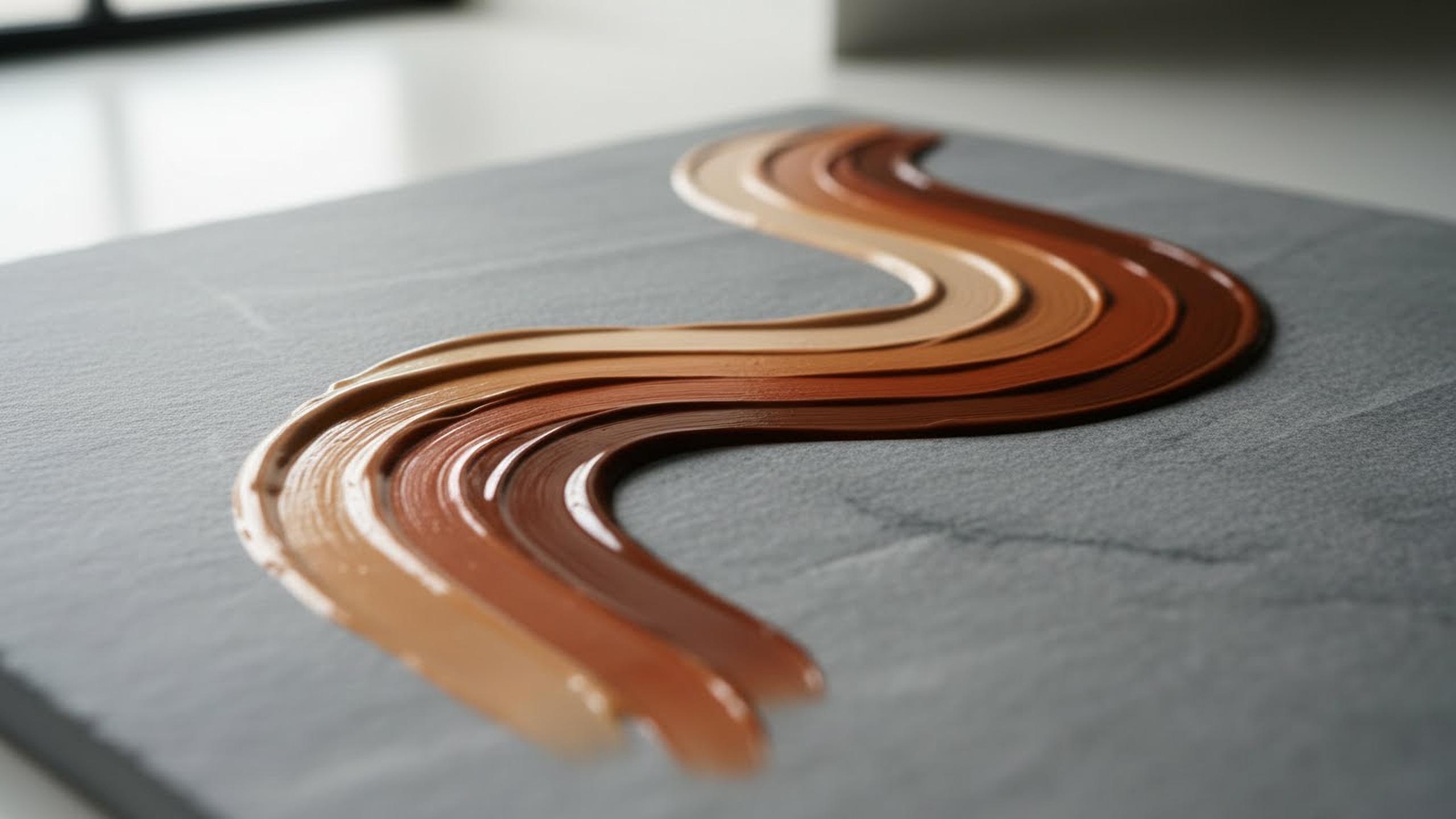
to guess based on digitally rendered swatches or confusing online quizzes that ask subjective questions about how your skin reacts to the sun. This guesswork leads to costly purchasing mistakes, product waste, and the persistent feeling that brands don’t truly cater to your unique skin tone. The problem is especially pronounced for individuals with skin tones that fall outside the narrow, traditional shade ranges, making the search not just difficult, but often impossible.
Enter AI: How the Tech Works
Artificial intelligence is poised to make this frustrating guesswork a thing of the past. AI shade-matching technology uses a combination of your smartphone's camera and sophisticated algorithms to do what the human eye can’t. When you use one of these tools, you typically take a selfie or a short video. The AI then analyses your skin, detecting not just your overall skin tone but also your subtle undertones—the cool, warm, or neutral hues beneath the surface. By processing this information against a vast database of skin tones and product formulations, the technology can recommend the most accurate foundation match within seconds. Some advanced tools even factor in different lighting conditions to ensure a perfect match in any environment.
A Revolution in Inclusivity
Perhaps the most significant impact of AI shade matching is its potential to foster genuine inclusivity in the beauty industry. For years, many brands have offered a limited selection of shades, leaving customers with deeper or more varied skin tones underserved. AI technology blows the doors open. By capturing and analysing data from a massive spectrum of complexions, AI encourages and enables brands to move beyond a one-size-fits-all approach. This technology makes it possible to cater to every individual, ensuring that products are developed for a truly diverse consumer base rather than a narrow ideal. It shifts the power, allowing consumer data to drive product development toward more inclusive ranges.
The Brands Leading the Charge
Major beauty players and innovative startups are racing to perfect and deploy this technology. Companies like L'Oréal (ModiFace), Perfect Corp, and Revieve are developing the underlying AI that powers many of these tools, partnering with brands like Estée Lauder, e.l.f. Beauty, and MAC. Retail giants like Sephora have also invested heavily in their own systems. These tools are appearing as features in brand websites, mobile apps, and even in-store via QR codes that launch a digital experience. The goal is to create a seamless journey from discovery to purchase, boosting customer confidence and significantly reducing product returns.
Challenges and the Road Ahead
Despite its immense promise, the technology is not yet flawless. The accuracy of AI shade matching can still be affected by variables like the quality of your smartphone camera and, most importantly, the lighting conditions when you take your photo. A selfie taken in warm indoor light can produce a different result than one taken in natural daylight. Furthermore, there is an ongoing need for transparency in how brands collect and use personal skin data to build trust with consumers. However, as algorithms become more sophisticated and camera technology improves, these tools are continuously learning and getting more accurate.